


Surging global bond yields, elevated oil deepen Indian rupee's slide to record lows
The Indian rupee hit a record low, extending its slide for the seventh session, driven by surging global bond yields, elevated energy prices, and weak capital flows.
- Global bond yields and elevated energy prices impacting the rupee.
- India's balance of payments deficit and capital outflows.
- Central bank interventions and currency's role in trade deficit.
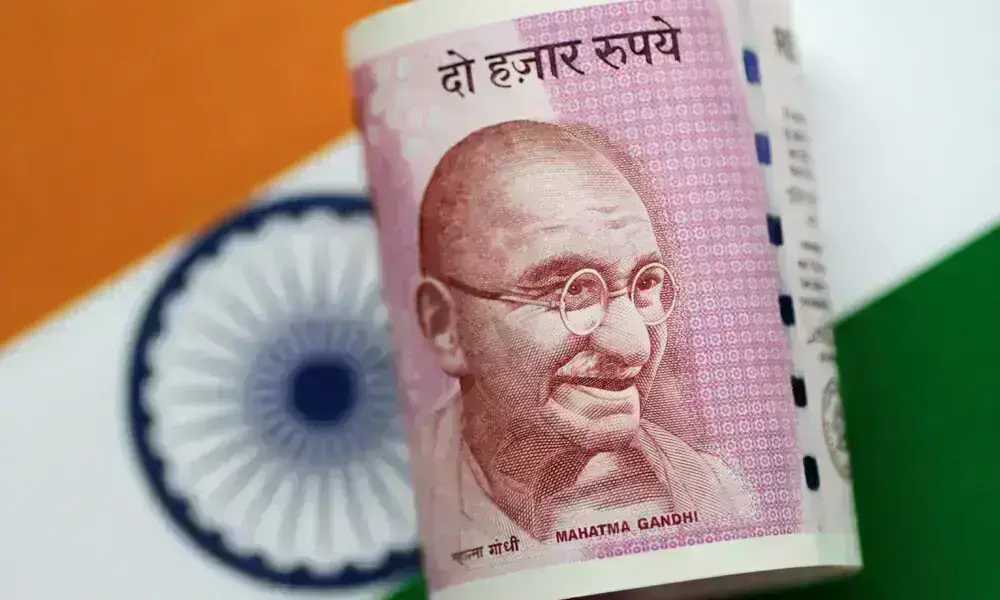
MUMBAI: The Indian rupee hit a record low on Monday, sliding for the seventh consecutive trading session, as a jump in global bond yields converged with elevated energy prices and deepened the strain on Asia’s worst-performing currency of the year so far.
The rupee fell to 96.3875 per dollar, eclipsing its previous all-time low of 96.1350. It ended the session at 96.3450, down 0.4% from its closing level on Friday.
The currency has slumped 2% over the last seven trading sessions. Traders said the losses would have been steeper if not for market interventions by the Reserve Bank of India.
Elevated energy prices and weak capital flows have left India staring at a third consecutive fiscal year of a deficit in its balance of payments (BoP), straining the rupee. Economists at HSBC have forecast a BoP deficit of around $65 billion in the fiscal year ending April 2027.
“The continued distribution of the exchange market pressure between currency weakness and the use of FX reserves should likely continue. Currency weakness, in particular, can help lower the trade deficit by making exports more competitive and disincentivising imports by making them too expensive,” they said in a Monday note.
Overseas investors have sold over $23 billion of local stocks and bonds on a net basis since March, hurting the capital account at a time when the current account is stressed by elevated import prices.
Global selloff
Soaring energy prices from the Iran war have fanned inflation fears and prompted wagers on rate hikes by global central banks, knocking down bonds from Tokyo to New York.
Yields on U.S. 10-year notes hit a 15-month high of 4.631%, Japan’s 10-year yield hit its highest since 1996, and their Indian counterpart climbed 6 bps. Efforts to end the Iran war appeared to have stalled following a drone strike at a nuclear power plant in the United Arab Emirates.
Brent futures hovered around $110 per barrel.
“High oil prices and now a selloff at the long end of the bond market are a bearish double whammy for EMFX and for risk assets in general,” per analysts at ING.

















Comments