


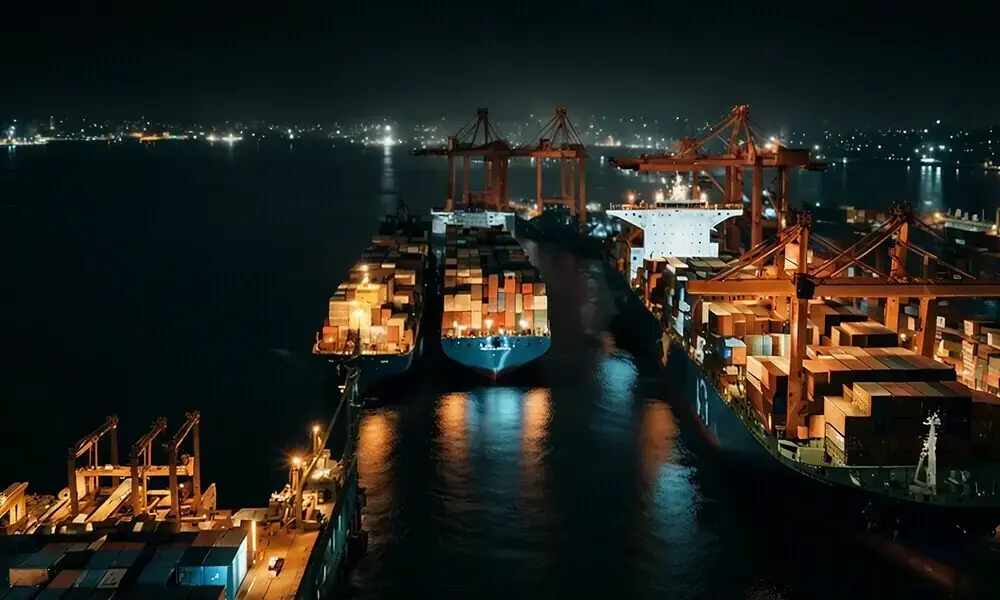
ISLAMABAD: The Pakistan Business Council (PBC) has stated that a slightly overvalued currency has rendered the country’s exports uncompetitive, emerging as a key structural barrier to export growth.
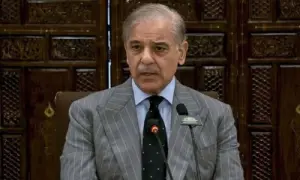
During a recent meeting with Finance Minister Muhammad Aurangzeb, a PBC delegation highlighted that illicit trade, through smuggling, dumping, and under-invoicing, is undermining the competitiveness of legitimate domestic producers.
The Council emphasized the need to shift industrial policy incentives toward globally competitive, high-employment, export-oriented sectors.
The apex business body urged the government to allow duty-free and tax-free access to inputs for export-oriented manufacturers, particularly in value-added sectors, in line with global norms and practices.
READ ALSO: Pakistan loses Rs750bn tax revenue to illicit trade, smuggling yearly: report
Referring to limited market access, the PBC noted that tariff barriers in key export markets and the lack of Preferential Trade Agreements (PTAs) are constraining growth. Pakistan’s export-to-GDP ratio, it pointed out, is less than one-ninth that of Vietnam and less than half of India.
Pakistan’s export competitiveness is steadily eroding as regional peers surge ahead. For example, Bangladesh has ensured policy stability and provided targeted liquidity support for exporters; Vietnam has introduced aggressive export incentive regimes to attract global manufacturing; India has scaled advantages through preferential export financing; while Turkey is focusing on value addition backed by industrial policy.
The Finance Minister was also urged to expand access to affordable trade finance comparable to that offered by competing economies.
The PBC proposed two key measures to restore export momentum. The first is the restoration of the 1% final tax regime on exports, describing it as a proven and simple mechanism that: (i) eliminates complexity in export income taxation; (ii) immediately improves liquidity by removing dependence on refunds; and (iii) reduces discretionary interaction between exporters and tax officials, thereby lowering corruption risks.
“This single measure can significantly accelerate export growth by making cash flows more predictable for manufacturers and traders. Exporters can then compete on price and reliability, while increasing export revenues will support external account stability,” the PBC said.
The second measure is the full reinstatement of the Export Facilitation Scheme (EFS), which provides duty-free and tax-free access to inputs for export-oriented production. Its dilution, the Council noted, has increased input costs, reducing the competitiveness of Pakistani exporters in global markets.
According to the PBC, full reinstatement of the EFS would: (i) restore cost competitiveness of value-added exports; (ii) support employment in export industries; and (iii) generate additional foreign exchange inflows.
The measure would also help strengthen the industrial base by promoting sustainable domestic industries.
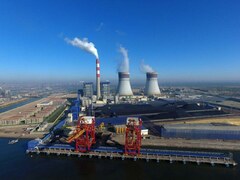
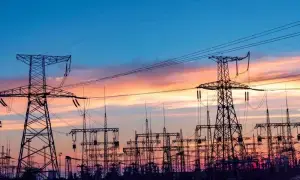
The PBC further observed that energy prices in Pakistan are among the highest in the region and fluctuate unpredictably, making production cost planning difficult. Frequent gas and electricity disruptions force industries to rely on expensive backup systems or halt production altogether.
Additionally, cross-subsidies, levies, and surcharges embedded in tariffs directly undermine export competitiveness. The absence of a stable and credible energy roadmap, it added, discourages investment in energy-intensive industries.
To address these challenges, the PBC proposed several energy sector reforms: (i) establishing a transparent, cost-reflective tariff framework with adequate notice of adjustments; (ii) ensuring uninterrupted energy supply to industries to safeguard production schedules and export commitments; (iii) accelerating the adoption of renewable energy to reduce long-term costs; and (iv) introducing competition to improve efficiency and lower costs across the energy value chain.
Copyright Business Recorder, 2026














Comments
Comments are closed for this article.