


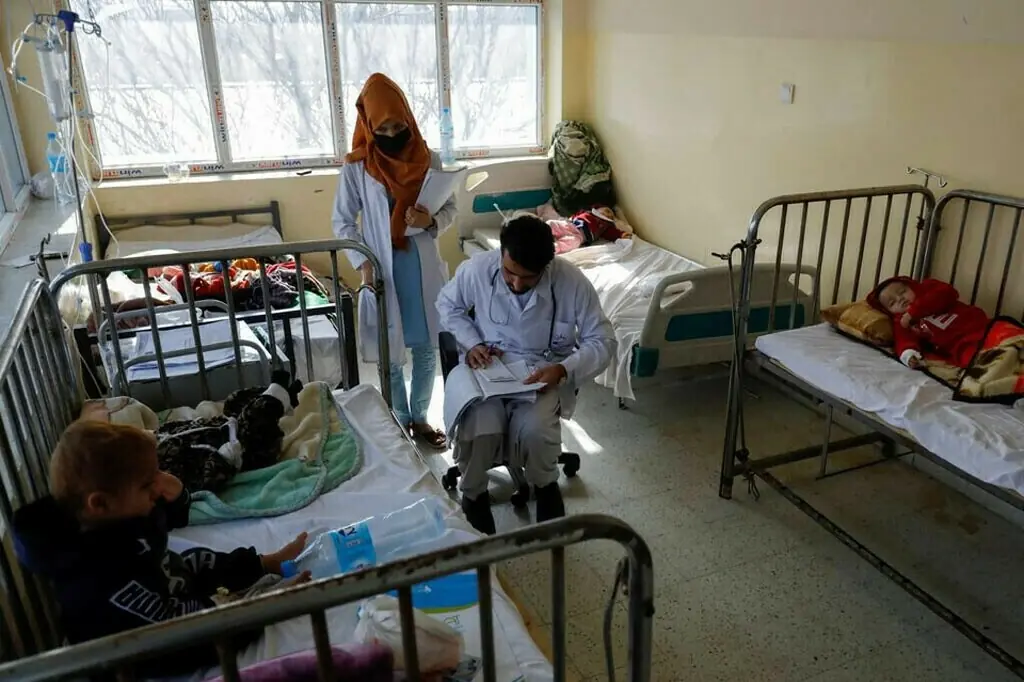

PESHAWAR: Khyber Pakhtunkhwa has witnessed significant gains in immunization coverage, a reduction in missed children and strengthened surveillance of vaccine-preventable diseases.
Through strong leadership, digital innovation and improved service delivery, the province continues to make steady progress in protecting children with life-saving vaccines.
Khyber Pakhtunkhwa (KP) continues to demonstrate strong progress in strengthening its Routine Immunization (RI) program, effectively overcoming operational, security and access challenges through strategic planning, innovation and enhanced accountability. These sustained efforts have led to measurable improvements in service delivery, data quality and immunization outcomes across the province. A key milestone has been the expansion of geographical access to immunization services.
According to the National Electronic Immunization Registry (NEIR), more than 5 million children are currently registered across Khyber Pakhtunkhwa. The department has ensured the functionality of fixed vaccination sites, supported by thousands of regular outreach sessions conducted every month, particularly in hard-to-reach and previously underserved areas, including the merged districts.
The province has also demonstrated notable improvements in service utilization. Routine immunization coverage has steadily increased, with Penta-3 coverage exceeding 80 percent in multiple districts, along with a continued reduction in zero-dose children. Dropout rates between Penta-1 and Penta-3 have declined to below 10 percent in most districts, reflecting stronger defaulter tracking and improved follow-up mechanisms.
The scale-up of the National Electronic Immunization Registry (NEIR) has been a transformative intervention. Through real-time digital registration and tracking, vaccinators are now better equipped to identify missed children, reduce duplication, and ensure timely vaccination. This has significantly strengthened micro-planning and enabled targeted interventions in low-performing and high-risk union councils. Cold chain and vaccine logistics systems have also been reinforced.
The program has ensured the functionality of cold chain equipment at vaccination sites and uninterrupted vaccine availability, even in remote and security-compromised areas. Capacity building remains a cornerstone of the program.
All frontline workers, including vaccinators and supervisors, are regularly trained on safe immunization practices, data use, and community engagement. These efforts are further supported by regular supportive supervision and monitoring. A key driver of improved program performance has been the institutionalization of regular senior leadership meetings. These meetings are chaired by senior provincial leadership, including Shahid Ullah Khan, Secretary Health, Dr. Shaheen Afridi, Director General Health Services, Shafi Ullah Khan, Additional Secretary Health / EOC Coordinator, and Dr. Mehtab Khan, Director EPI, while Shahab Ali Shah, Chief Secretary Khyber Pakhtunkhwa, regularly reviews progress at the highest level.
These forums provide a structured platform for reviewing performance, identifying gaps, and ensuring accountability. Through data-driven discussions and systematic follow-up actions, stock take meetings have significantly improved program oversight, coordination, and timely decision-making.
Director EPI Khyber Pakhtunkhwa, Dr. Mehtab Khan said that the province has made remarkable progress in routine immunization due to strong teamwork, improved field monitoring, and the effective use of digital tools. He said that the expansion of NEIR, better micro-planning, and focused outreach in hard-to-reach areas have helped improve coverage and reduce the number of missed children. He said that EPI Khyber Pakhtunkhwa remains fully committed to ensuring equitable access to life-saving vaccines for every child in the province. He added that the program will continue to strengthen service delivery, improve data quality, and enhance accountability so that no child is left behind. As a result of these comprehensive efforts, Khyber Pakhtunkhwa has witnessed major progress in immunization coverage, a reduction in missed children, and stronger surveillance of vaccine-preventable diseases.
Copyright Business Recorder, 2026




















Comments
Comments are closed for this article.