


Int’l Conference on Climate Change: Experts warn growing risks to economy, infrastructure & population
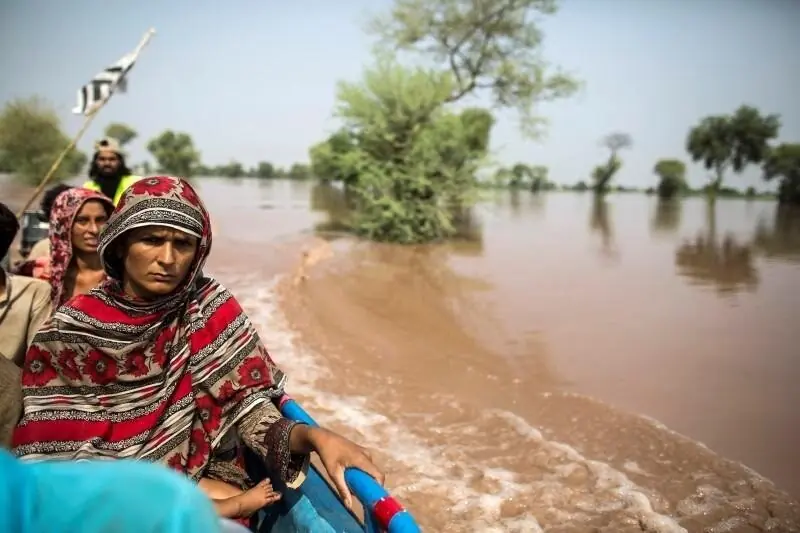

ISLAMABAD: Pakistan remains among the world’s top 10 most climate-vulnerable countries, experts warned at a conference highlighting the growing risks to the country’s economy, infrastructure, and population.
The concerns were raised during the “International Conference on Climate Change and Emerging Trends in Civil Engineering,” hosted by Ghulam Ishaq Khan Institute of Engineering Sciences and Technology. Speakers from across Pakistan and abroad stressed the urgent need for practical measures to mitigate climate risks and protect lives and property.
Khan Faraz, a climate expert said that Pakistan is on the frontline of the global climate crisis, facing multiple interconnected challenges including water insecurity, catastrophic flooding, prolonged droughts, air pollution, urban smog, deforestation, ecosystem degradation, and riverine erosion. Particular concern was expressed over the deteriorating condition of the Indus Delta.
Recent extreme weather events, especially in the northern regions, were cited as evidence of escalating climate impacts. Flooding has caused widespread destruction, displacing communities and damaging critical infrastructure.
While acknowledging that climate change cannot be entirely halted, Khan Faraz emphasized the importance of adaptive strategies. These include strengthening early warning systems, improving disaster preparedness, and investing in resilient infrastructure.
He also called for institutional collaboration, suggesting that Ministry of Climate Change, Karakoram International University, Water and Power Development Authority, and GIKI form a joint consortium to develop sustainable, research-driven solutions.
Khan Faraz underscored the need for a coordinated national strategy to address the far-reaching economic and environmental consequences of climate change.
Copyright Business Recorder, 2026























Comments
Comments are closed for this article.