


Rising global oil prices pose serious risks to economic recovery: BMP
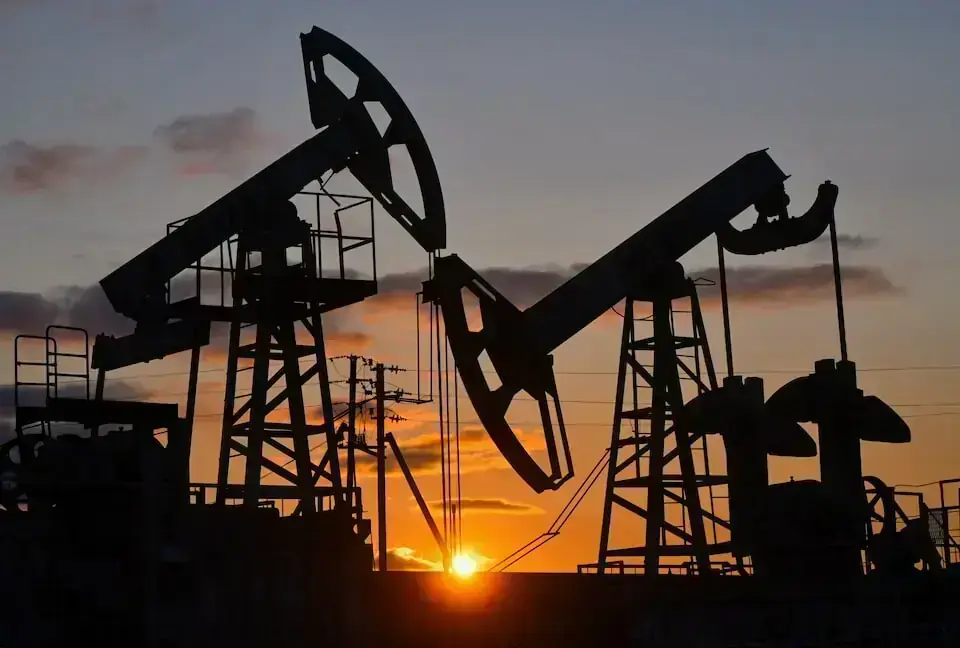
LAHORE: The Federation of Pakistan Chambers of Commerce and Industry’s Businessmen Panel (BMP) has warned that rising global oil prices, driven by escalating regional tensions, pose serious risks to Pakistan’s fragile economic recovery.
BMP Chairman Mian Anjum Nisar cautioned that if international oil prices remain around USD 100 per barrel or climb higher, Pakistan could face significant economic setbacks. GDP could contract by one to one-and-a-half percent if the crisis persists, given the country’s heavy reliance on imported petroleum products and liquefied natural gas.
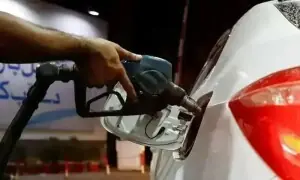
The most immediate threat lies in the external sector. Pakistan may face an additional burden of USD 12 to USD 14 billion over the next year due to higher petroleum imports, rising shipping charges, and increased insurance premiums linked to geopolitical risks. The petroleum import bill alone could surge by 25 to 30 percent. Economists estimate that every USD 10 rise in global crude prices adds approximately USD 1.5 billion to Pakistan’s annual import bill.
These pressures could widen Pakistan’s current account deficit from approximately USD 2 billion back to USD 6 to USD 7 billion in the next fiscal year, straining foreign exchange reserves. Remittances — 55 percent of which originate from Gulf states — also face risk, with potential inflow reductions of USD 2 to USD 4 billion annually if regional instability slows Gulf economies.
Inflation, recently brought down to around seven percent, is already trending back into double digits. Higher fuel costs ripple across transport, food, manufacturing, and essential services. Energy-intensive industries like fertiliser, cement, and textiles face production disruptions, while agriculture could suffer from rising input costs.
The BMP chairman urged policymakers to urgently reduce dependence on imported fuels by accelerating development of domestic energy sources — hydropower, solar, wind, and nuclear — and improving transmission infrastructure, turning this crisis into an opportunity to build long-term economic resilience.
Copyright Business Recorder, 2026










Comments
Comments are closed for this article.