


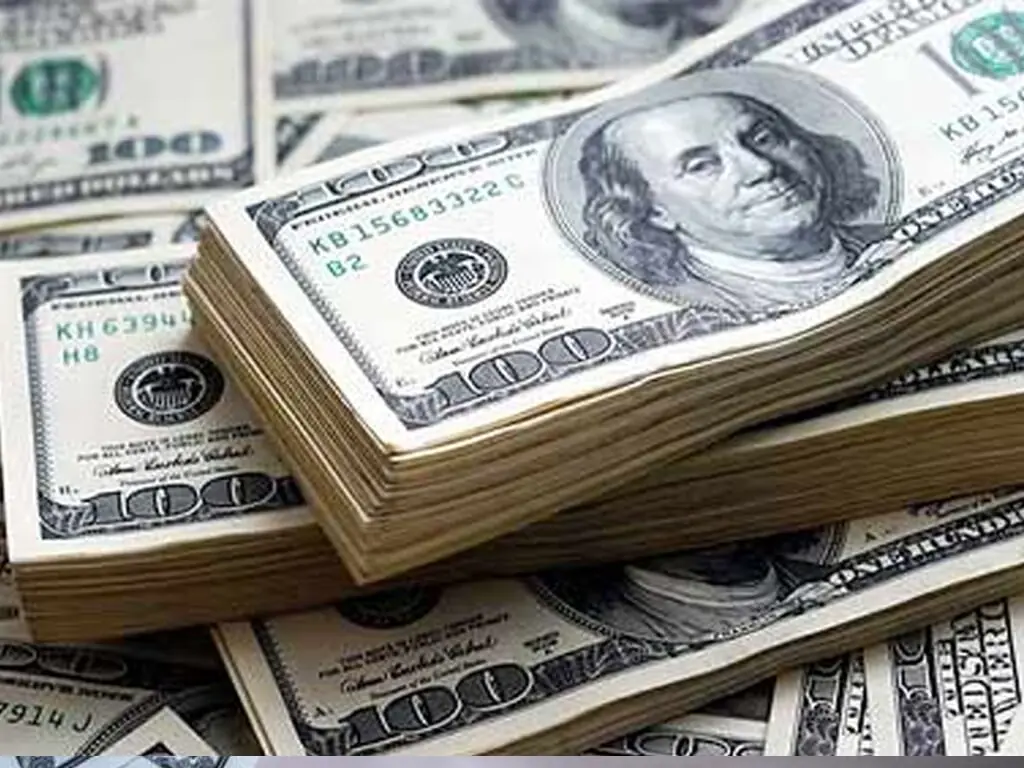

NEW YORK: The US dollar rose against a basket of major currencies Friday, on track for a second straight weekly gain, as the war in the Middle East drove investors toward safe-haven assets and weighed on energy-sensitive currencies such as the euro.
President Donald Trump said the US was going to be hitting Iran “very hard over the next week”, shortly after issuing a partial 30-day waiver for purchases of sanctioned Russian oil, hoping to ease prices fuelled by the US-Israeli war on Iran.
A sharp and prolonged rise in oil prices would severely hurt the economies of Japan and the euro area, which are heavily reliant on crude imports, while the United States would be relatively insulated, having been a net crude exporter for almost a decade.
“Global investors are unwinding cross-border exposures, pushing money into safe havens, and punishing currencies issued by net energy importers,” said Karl Schamotta, chief market strategist at Corpay in Toronto.
The euro was 0.4 percent lower against the dollar at USD1.1466. The dollar index, which measures the greenback’s strength against a basket of currencies, was up 0.4 percent at 100.10. The index is up 1.1 percent for the week, its second consecutive weekly gain.
Schamotta, however, warned that FX markets face two-way risks.
“As the war drags on, both Tehran and Washington have strong motivations for returning to the negotiating table and there are good reasons to suspect they could strike a face-saving bargain as soon as this weekend,” said Schamotta.
Data on Friday showed US consumer spending increased slightly more than expected in January, which together with continued strength in underlying inflation and the dragging war in the Middle East bolstered economists’ views that the Federal Reserve would not resume cutting interest rates for some time.
“The latest personal consumption expenditures inflation data tells us that the inflation picture wasn’t looking good even before the Middle East crisis,” Sonu Varghese, global macro strategist at Carson Group, said in a note.
“An already large headache for the Federal Reserve is going to turn into an even larger one, and it’s likely the Fed will not cut rates in 2026 and may even start talking about rate hikes later this year,” Varghese said.
In the two weeks since the Iran conflict set off a surge in oil prices, traders had pushed bets on a first Fed rate cut to as late as December. On Friday, they were betting the Fed will probably next cut interest rates in September.
Investors await the European Central Bank policy meeting next Thursday, while traders bet that surging oil prices could push the central bank to hike rates this year.
Still, economists remain wary of monetary tightening in economies where dependence on fuel imports means surging energy costs are likely to weigh on growth.
The yen slid up to 159.69 per dollar, the weakest since July 2024, before paring losses to trade up 0.1 percent on the day at 159.20 per dollar.
Japan is ready to take the necessary steps against yen moves that impact people’s lives, Finance Minister Satsuki Katayama said on Friday, adding that she was in close contact with US authorities on foreign exchange issues.
Leading cryptocurrency bitcoin rose 4.5 percent to USD73,374, a nine-day high.
























Comments
Comments are closed for this article.