


Mango sector urged to adopt IPM, climate-smart practices
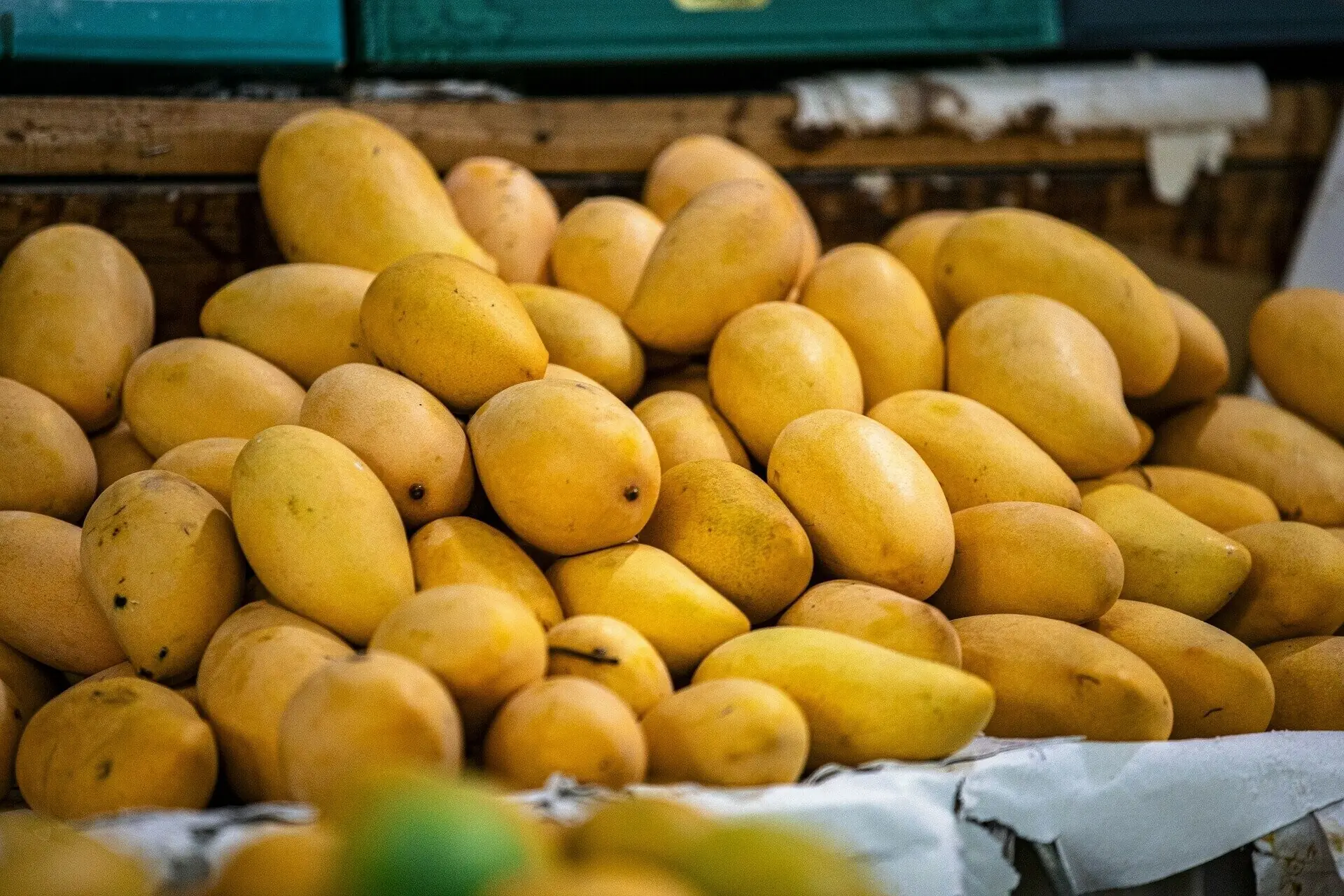

LAHORE: Speakers at a seminar on “Mango Pet Management” observed that without modern production techniques, integrated pest management (IPM) and climate-resilient practices in mango sector, Pakistan would struggle to compete effectively in international markets.
According to official estimates shared during the seminar, mango is cultivated on around 250,000 acres in Punjab, with annual production close to 1.4 million tonnes, representing a major share of the country’s total output. Pakistan exports, on average, 8–10 percent of its mango production, although experts said the exportable surplus could increase significantly through improved post-harvest management, value addition and cold chain infrastructure.
Speakers observed that mango is a hallmark of South Punjab’s horticulture economy and a key contributor to rural livelihoods.
The Punjab Agriculture Department’s Pest Warning wing organised this seminar on mango pest management, climate change and sustainable production, underscoring the need for technology adoption and improved post-harvest systems to enhance export competitiveness.
The event was attended by Member Provincial Assembly Aun Hameed Dogar, Special Secretary Agriculture (South Punjab) Sarfraz Hussain Makki, Deputy Commissioner Muzaffargarh Usman Tahir Jappa and Director General Pest Warning Punjab Dr Amir Rasool, along with growers and agriculture experts.
Participants stressed the promotion of high-yielding and internationally preferred varieties, including Azim Chaunsa, Chaunsa, Sindhri, Anwar Ratol and Dasehri, to enhance export volumes and farm incomes. With better orchard management, per-acre yields of these varieties can be substantially improved, they added.
Technical experts advised growers to adopt IPM protocols, ensure regular orchard monitoring and use pheromone traps to control major pests such as mango hoppers, mealybugs and fruit flies. Balanced fertiliser application, timely spray schedules, weed control and orchard sanitation were highlighted as essential to minimising disease incidence and yield losses.
In view of climate variability, the seminar recommended high-efficiency irrigation systems such as drip and sprinkler methods, mulching, shade management and water harvesting. Growers were also advised to align irrigation and spray schedules with weather forecasts to address issues such as premature flowering and fruit drop.
Experts further emphasised that long-term sustainability in mango production depends on maintaining soil fertility, conserving water resources and preserving ecological balance. The use of green manures, balanced NPK fertilisers, systematic pruning and modern horticultural practices were described as critical for ensuring stable yields and improved export performance.
Copyright Business Recorder, 2026
























Comments
Comments are closed for this article.