


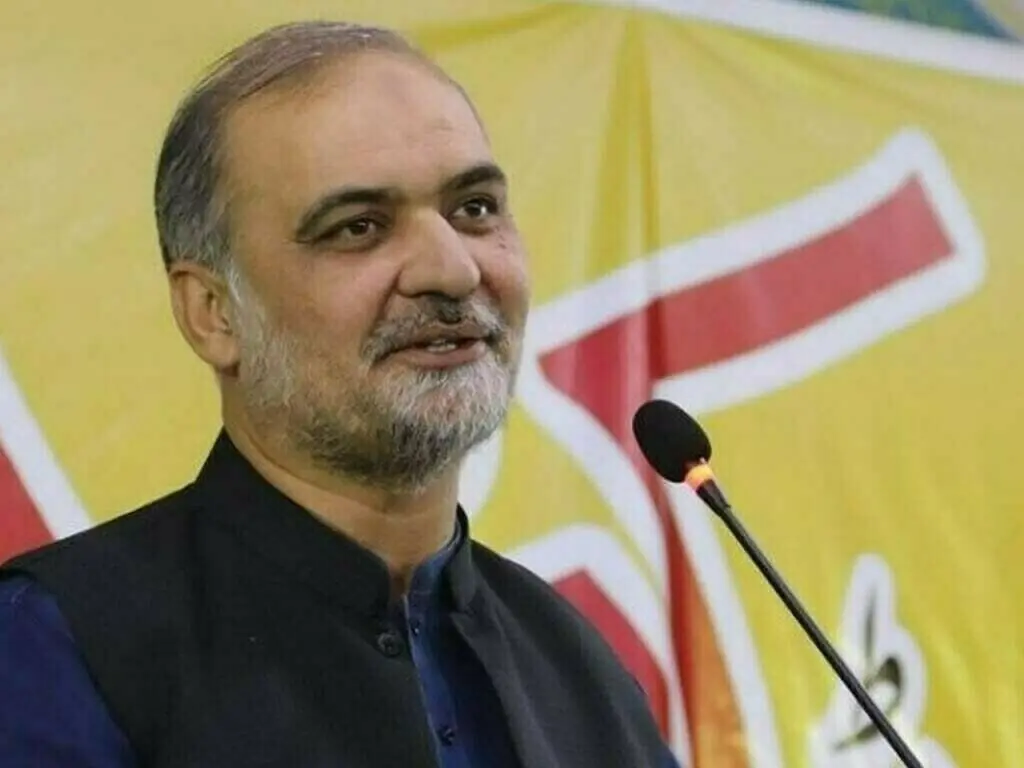

KARACHI: Central Chief of Jamaat-e-Islami (JI), Hafiz Naeemur Rehman has said Karachi’s persistent crises stem not from a lack of resources but from poor governance, mismanagement, incompetence and corruption.
Addressing the presidential session of a stakeholders’ roundtable titled “Karachi: From Decline to Revival”, hosted by Jamaat-e-Islami Karachi at a local hotel, he said feudal and landlord elites dominate politics and governance in the name of democracy and continue to control the city’s resources and institutions.
He maintained that even if the Pakistan Peoples Party and the Muttahida Qaumi Movement were to rule Karachi for another 20 years, the city’s problems would remain unresolved.
Hafiz Naeemur Rehman also held the establishment accountable, alleging that rejected individuals had been imposed on Karachi. He said the public mandate in local government elections was stolen and the mayoralty taken away from the people.
Calling for structural reforms, he said Karachi’s residents are entitled to a mega-city government with powers and resources devolved to the grassroots, in line with the 18th Constitutional Amendment and Article 140-A, which provide financial and administrative authority to local bodies.
He announced that the JI would stage a sit-in outside the Sindh Assembly on February 14 to press for Karachi’s rights, resolution of civic issues and an empowered city government. Urging all stakeholders to join the movement, he said collective resistance would compel both the government and the establishment to grant the city its due rights.
A number of experts and stakeholders addressed the conference, including Monem Zafar Khan, Atiq Mir, Arif Qasim, Salman Chawla, Shabbir Mansha, Sheikh Tahseen, Babar Khan, Saad Zuberi, Farhat Adil, Aslam Khan, Saad Abdul Wahab and senior journalist Munazza Siddiqui.
Speakers highlighted that Karachi’s infrastructure cess and development funds—amounting to Rs3,360 billion have not been spent on the city. Business leaders said no government institution in Karachi is functioning effectively, citing corruption and lack of ownership as core problems.
Participants raised concerns over unplanned construction, inaccurate population counts, weak disaster management and the absence of a comprehensive master plan. Traders said they pay about Rs280 billion annually in infrastructure cess yet see little benefit, while speakers noted that Karachi drives Pakistan’s economy but receives only around 1.5 percent of the provincial budget.
The conference concluded with a consensus that Karachi’s decline is rooted in governance failures and a lack of political will, and that unified demands are essential to secure the city’s rights and revival.
Copyright Business Recorder, 2026




















Comments
Comments are closed for this article.