


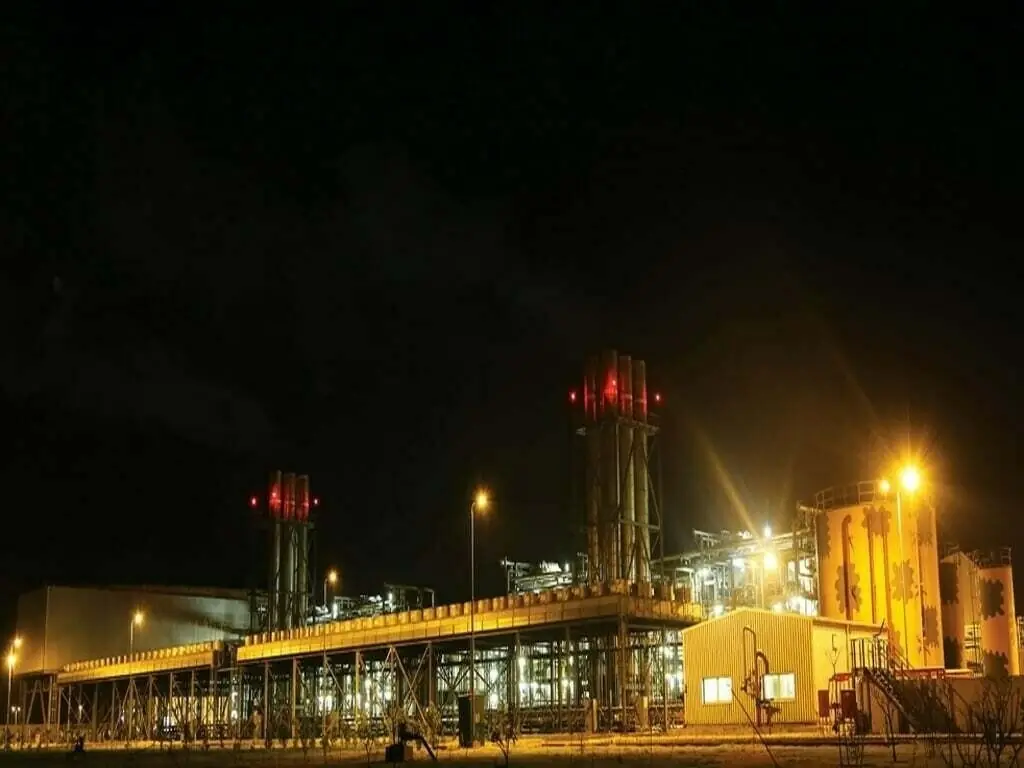
ISLAMABAD: Fiscal and energy sector reforms are expected to deliver Rs 1.4 trillion in savings in the power sector through the renegotiation of contracts with the Independent Power Producers (IPPs), stated the Pakistan Reforms Report, 2026.
Mishal Pakistan, the Country Partner Institute of the World Economic Forum (WEF), launched the report on Monday, marking the second edition of the country’s first systematic documentation of governance reforms.
Federal Minister for Climate Change Dr Musadik Malik, who was the chief guest at the launching ceremony, talked about the government’s plans to reduce regulatory duties this year, with all duties to be phased out over the next five years.
READ MORE: ‘Conditional subsidy’: experts say power tariff cut for industry, agriculture not enough
More than 650 reforms were introduced over the past year, compared to 620 reforms implemented the previous year, reflecting the government’s accelerated reform agenda.
The minister said queues may continue, but justice must not stop, stressing the need for transparent reforms within the bureaucratic system to reduce public inconvenience.
He noted that a significant percentage of reforms are linked to digitalisation, aimed at improving public access to government services.
The minister emphasized the importance of credible documentation in shaping Pakistan’s national narrative, noting that transparent, fact-based reporting of reforms strengthens public trust and enhances Pakistan’s credibility with international partners, investors, and development institutions.
He further said, “The Pakistan Reforms Report enables informed public discourse by shifting attention from announcements to execution and outcomes.”
Highlighting sectoral reforms, the minister said the power and energy sector witnessed the highest number of changes, with 118 reforms introduced to improve efficiency and governance.
He added that tariff reductions for industry and measures to provide direct relief to workers are part of the broader reform framework.
He stated that 12,600 internationally recognised tech certificates have been issued to Pakistani youth, which will be delivered at their doorsteps. He said the digital economy has no borders, and Pakistan’s skilled youth will meet growing global demand.
The Pakistan Reforms Report 2026 documented 600+ Governance Reforms Across 135 Institutions, offering the most comprehensive snapshot to date of Pakistan’s evolving governance landscape, the report records over 600 reforms undertaken during 2025, covering 135 federal ministries, divisions, and attached institutions, marking a fivefold increase in reform volume compared to last year.
Report shows that the focus has shifted from crisis stabilization to long-term state capacity, with Energy leading at around 40% of total reform activity, followed by Law & Justice and Digital Governance and IT, reflecting a strong tilt toward structural and digital transformation.
More than 200 reforms are now implemented through digital platforms, improving transparency and reducing discretion, while fiscal and energy sector measures are projected to deliver PKR 1.4 trillion in power-sector savings through renegotiated IPP contracts.
Pakistan is unlocking indigenous energy and mineral resources through progress on the USD 6 billion Reko Diq copper-gold project and new tight gas and offshore exploration policies targeting USD 5 billion in investment.
Amir Jahangir, Chief Executive Officer of Mishal Pakistan, said, “This report is about documenting governance change. By systematically capturing more than 600 reforms across 135 institutions, we are creating an institutional memory that allows Pakistan’s reform journey to be understood, compared, and analyzed over time.” He added that the 2026 edition reflects greater reform maturity, with a clear shift from announcements toward execution, digitization, and system-building.
Puruesh Chaudhary, Co-Founder and Director of Mishal Pakistan, highlighted the people-centric and institutional significance of the report, stating, “The Pakistan Reforms Report exists to help citizens, researchers, and future policymakers understand what is structurally changing in the state.
Reforms matter when they improve access, transparency, and trust. This edition captures those shifts, particularly in digital governance, justice delivery, and citizen-facing services.”
A defining insight of the report is the strong concentration of reforms aligned with SDG-16 (Peace, Justice and Strong Institutions), signalling a deliberate shift toward institution-building as the core reform priority.
A significant share of documented reforms focuses on rule of law, transparency, accountability, grievance redressal, regulatory modernization, digital justice, and public access to information, positioning SDG-16 not merely as a reporting category, but as a global indicator of Pakistan’s emphasis on strengthening institutional capacity as the foundation for sustainable economic and social development.
By institutionalizing annual reform documentation, Mishal Pakistan aims to shift national discourse from episodic announcements to an evidence-based understanding of governance evolution, enabling year-on-year comparison and long-term reform tracking.
The Pakistan Reforms Report forms part of Mishal Pakistan’s broader commitment to transparency, continuity, and global comparability in Pakistan’s reform journey.
Copyright Business Recorder, 2026



















Comments
Comments are closed for this article.