


Oil steadies as investors weigh supply, possible US-Iran de-escalation
- Brent crude futures gained 17 cents to $66.47 per barrel
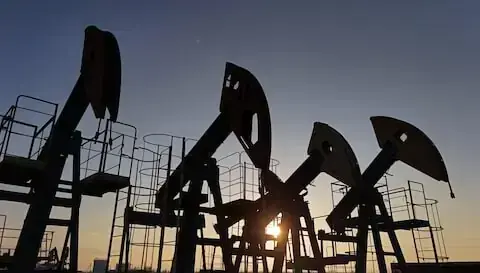
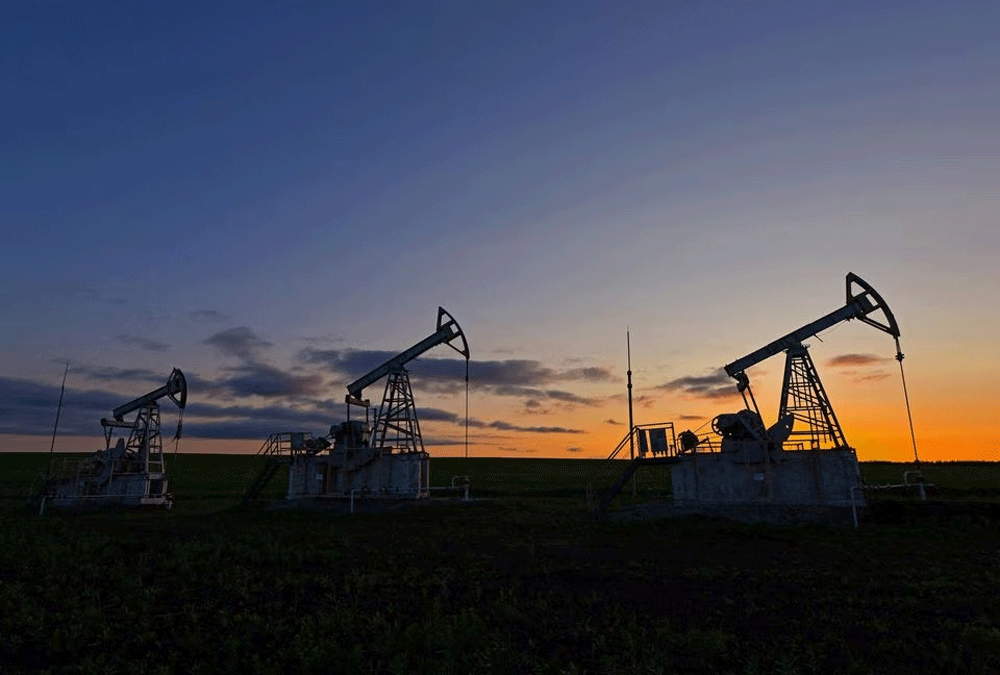
LONDON: Oil prices steadied on Tuesday, after falling over 4% in the previous session, as market participants considered the global supply outlook and the possibility of a de-escalation in U.S.-Iran tensions.
Brent crude futures gained 17 cents to $66.47 per barrel by 1217 GMT, while U.S. West Texas Intermediate crude was at $62.38 a barrel, up 24 cents. Earlier in the session, Brent and WTI fell to $65.19 a barrel and $61.12 a barrel, respectively, both the lowest in a week.
Russia’s Deputy Prime Minister Alexander Novak said on Tuesday that there is currently a balance on the global oil market, while demand will be gradually rising in March and April, when asked about the OPEC+ group’s plans for its production policy.
The Organization of the Petroleum Exporting Countries and allies including Russia, a group known as OPEC+, agreed to keep its oil output unchanged for March at a meeting on Sunday.
Novak also said Russia had sufficient volumes of fuel and even enjoyed a fuel surplus.
READ MORE: Oil prices fall sharply on US-Iran de-escalation
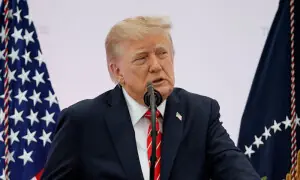
Oil prices slumped more than 4% on Monday after U.S. President Donald Trump said Iran was “seriously talking” with Washington, signalling a de-escalation of tensions with the OPEC member.
Iran and the U.S. are expected to resume nuclear talks on Friday in Turkey, officials from both sides told Reuters on Monday, and Trump warned that with big U.S. warships heading to Iran, bad things could happen if a deal was not reached.
Talks with the U.S. should be pursued to secure Iran’s national interests as long as “threats and unreasonable expectations” are avoided, Iranian President Masoud Pezeshkian posted on X on Tuesday.
“The volatile price actions of oil seen in the last four weeks have been driven by the geopolitical risk premium factor that is linked to the current U.S. administration’s expansionary foreign policy, especially the ‘on-off’ threats towards Iran,” said OANDA senior market analyst Kelvin Wong.
Weighing on prices, the U.S. dollar index hovered near its highest in more than a week. A stronger dollar hurts demand for dollar-denominated crude from foreign buyers. On Monday, Trump unveiled a deal with India that slashes U.S. tariffs on Indian goods to 18% from 50% in exchange for India halting Russian oil purchases and lowering trade barriers.
“Overnight, the U.S. and India agreed on a trade deal … if we do see this happen, it will only lead to a further increase in the amount of Russian oil floating at sea,” ING analysts said in a note.
Trump announced the deal on social media following a call with Indian Prime Minister Narendra Modi, noting that India had agreed to buy oil from the U.S. and possibly Venezuela.
“Rapid shifts in financial flows have amplified the moves in oil prices so far this year,” Cavendish analysts said in a research note. “Traders began the year with bumper short positions that have quickly reversed after weeks of geopolitical tumult.”
















Comments
Comments are closed for this article.