


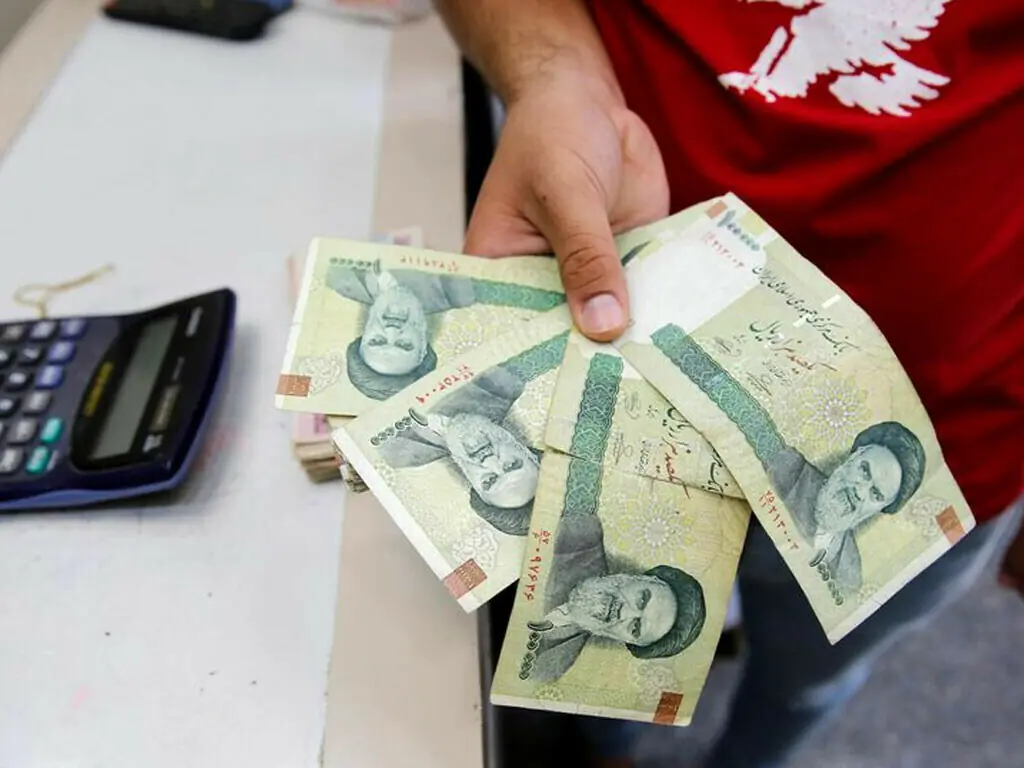
EDITORIAL: The Iranian currency has dropped to a record low of 1.5 million rials to the dollar, a decline reminiscent of the 1923 German Mark’s post- World War-I experience after its military defeat when it plummeted from 9 marks to the dollar to 4.2 trillion marks to the dollar. The question is whether the erosion of the rial has been engineered deliberately by outside hostile forces or whether it is due to mismanagement of the economy by the government?
The former claim gained considerable traction after the US Secretary Scott Bessent publicly boasted that the USA is deploying new sanctions against Iran aggressively for “immediate maximum impact” that would shut down Iran’s oil sector and “collapse its already buckling economy.”
A press release from the US Treasury Department dated 15 January 2026 clarifies how this was achieved: “a shadow banking network is the primary means through which Iran facilitates tens of billions of dollars worth of annual trade through the formal international financial system.
At the heart of this system is the rahbar company, a type of entrusted company established by various Iranian banks for the purpose of managing the international transactions of its clients….UAE based HMS Trading FZE, a commercial front company registered in the UAE, acts on behalf of Shahr Bank as a key element in Iran’s oil export and rahbar shadow banking mechanism.
HMS Trading and Iran-based Tejarat Hermes Energy Qeshm are primarily responsible for overseeing the commercial trade activities of Shahr Bank’s rahbar network via numerous front companies.
READ MORE: Iran’s rial hits new low: 1.5m rials to USD
HMS Trading’s contracts, deals, and shadow banking network companies include front companies that have been used by NIOC, Naftiran Intertrade Co (NICO), Triliance Petrochemical Co. Ltd., and Armed Forces General Staff cover company Sepher Energy Jahan to sell Iranian oil abroad.”
These companies and individuals authorized to deal on behalf of these companies were severely sanctioned resulting in the collapse of the rial prompting the Iranian merchants to come out in protest late December 2025. In addition, there is intense speculation, not denied by the US government, that the US severely restricted Iran’s access to foreign currencies.
The Iranian government’s economic policies, some due to the sanctions, also played a key role in making the economy fragile. While belt-tightening is perhaps the only solution to domestic flawed economic policies yet no doubt Iran at this stage, with the looming threat of armed conflict with the US after the amassing of a formidable US naval force in the region, is more concerned with the existential threat it faces than perhaps in resolving the issues that face its economy.
Iran would do well to draw lessons from Russia which has effectively dealt with prohibitive Western sanctions and is currently showing a growth rate double that prevailing in the countries that sanctioned it by diversifying its productive base, and looking eastward for economic cooperation (exports and imports).
Economists suggest that one way out for Iran would be to move away from trading in dollars towards renmibi for oil settlements and trade – already agreed in the 25 year agreement signed between China and Iran in late 2025 that envisages China investing 400 billion dollars over 25 years in exchange for stable oil.
Additionally, Iran must trade more proactively with countries within BRICS (the acronym after the founding members Brazil, Russia, India, China and South Africa). Immediately, however, Iran can make a swap arrangement with China defined as a customized derivative contract between two parties to exchange cash flows or liabilities from different financial instruments over a specified period.
To conclude, the erosion of the rial is however due not only to foreign intervention but also due to flawed domestic policies; however, there are remedies – short and long term – that no doubt Tehran is already considering.
Copyright Business Recorder, 2026

























Comments
Comments are closed for this article.