


India bonds flash red ahead of 30 trillion Indian rupee debt wave
- Market rates have remained elevated despite unprecedented measures by the Reserve Bank of India
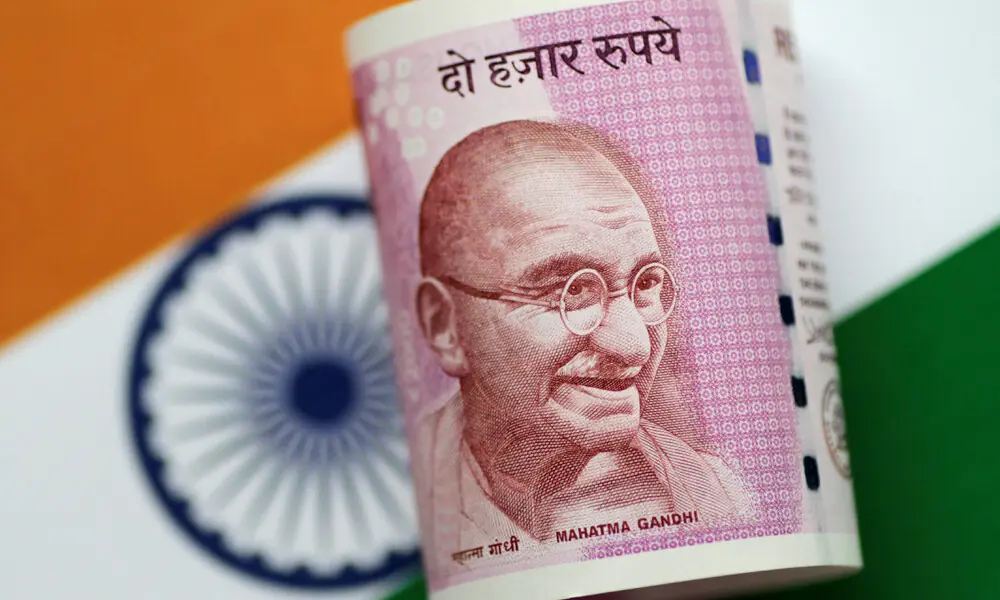
MUMBAI: Indian fixed-income yields have shot up across segments as investors fret that an estimated record 30 trillion Indian rupee ($327 billion) of government bond supply next fiscal could complicate the central bank’s task of managing a falling Indian rupee and rising rates.
The borrowing estimate by 20 economists, a more than 10% annual increase, includes federal and state governments. The federal debt plan will be announced in the budget on Sunday, while details for states will emerge over a period of time.
Market rates have remained elevated despite unprecedented measures by the Reserve Bank of India, such as record bond purchases and forex swaps to inject liquidity.
Meanwhile, demand is flagging due to weak deposit growth, liquidity scarcity caused by the RBI’s FX market intervention, and changes in accounting of banks’ trading books, according to six bank treasury officials and economists.
“There are some structural problems in the market,” said A. Prasanna, chief economist at ICICI Securities Primary Dealership in Chennai.
Banks are replacing government bonds sold to the RBI with higher-yielding state debt, as investment guidelines curtail appetite, while insurers and pension funds have also slowed purchases, Prasanna noted.
India’s central bank advances 1 trillion Indian rupee bond purchases
India’s benchmark 10-year bond yield has risen by a quarter of a percentage point since December to an 11-month high of 6.72%, while overnight money market rates have stayed above the RBI’s key policy rate of 5.25%.
The LSEG benchmark rate for one-year bank borrowing through certificates of deposit has jumped 65 basis points over two months to around 7.20%.
Bank demand set to slow
Lagging deposit growth is likely to keep a lid on the market, economists say. Banks are the largest buyers of government bonds.
The recent increase in bond supply on a net basis is running higher than deposit growth, Vivek Kumar, an economist at QuantEco Research, said.
“This means the incentive of banks to buy more bonds is lower. Also, the non-banking source of demand has been very weak.”
Kumar points out that the term premium in the bond market has been unusually high, at its widest in three years. Term premium is the additional return investors demand for taking on greater risk or lending for the longer term.
RBI’s dual role hurdle
Market rates have remained high despite the RBI’s 9.56 trillion Indian rupee liquidity infusion in this financial year, which includes a record 5.7 trillion Indian rupee of bond purchases.
Traders say this is because the central bank is simultaneously intervening in the Indian rupee and bond markets.
“On one hand, the RBI is infusing money through OMOs and FX swaps, but on the other hand, there is large-scale intervention in the foreign exchange market that is draining cash conditions,” a treasury head at a private bank said.
The treasury officials did not want to be identified as they are not authorised to speak to the media.
The RBI has stepped up spot forex market intervention to help the Indian rupee, which has been plumbing record lows on foreign outflows amid prolonged trade talks with the United States. Dollar sales by the RBI withdraw Indian rupee liquidity.
“We believe pressure on the Indian rupee, sustained pressure on durable liquidity, higher credit-to-deposit ratios, higher issuance of state bonds and expectations of record borrowing have soured sentiment,” said Parijat Agrawal, head of fixed income at Union Asset Management.



















Comments
Comments are closed for this article.