


ML-1 project work to begin from Karachi Port in July 2026
- The 54-kilometre railway section from KPT to Pipri will be upgraded
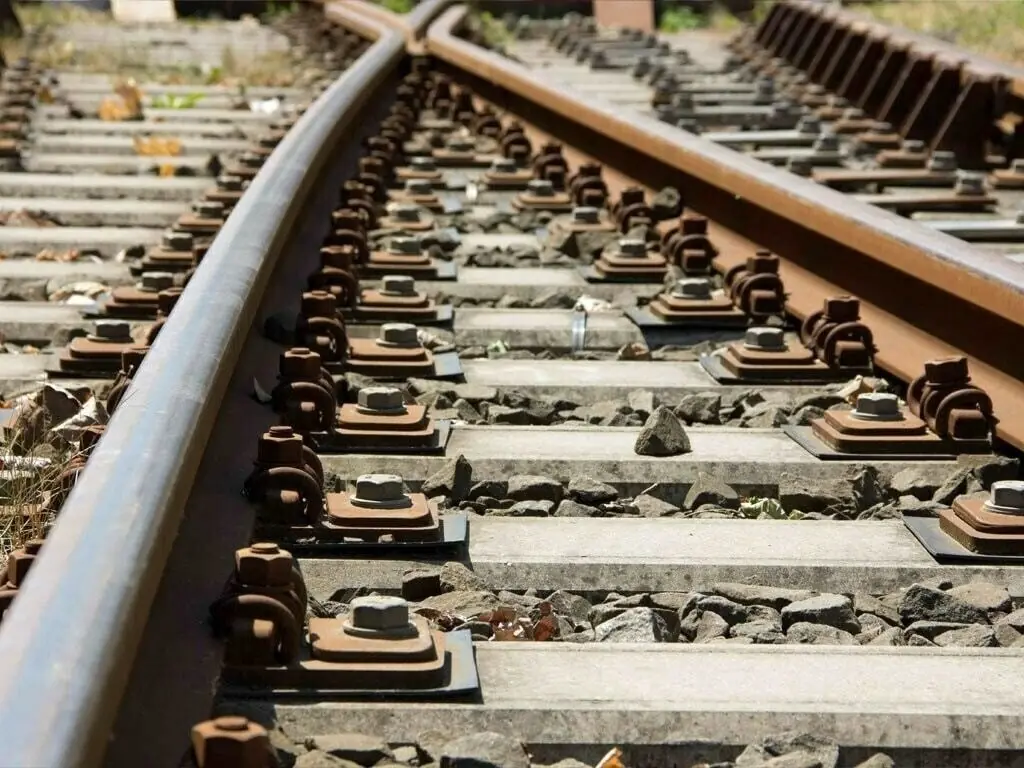

Work on Pakistan Railways’ flagship Main Line-1 (ML-1) project is expected to commence in July 2026, with construction set to begin from Karachi Port, said Federal Minister for Railways Muhammad Hanif Abbasi.
According to a statement released on Tuesday, under this initiative, the 54-kilometre railway section from KPT to Pipri will be upgraded to ensure seamless cargo movement, the minister informed.
He further stated that Pakistan Railways plans to operate at least four freight trains daily within the next five months, with priority given to bulk cargo transportation.
ML-1 project, KCR under CPEC: Pakistan, China committed to starting works: minister
During his visit to Karachi on January 9, Abbasi held an important meeting with Chairman Karachi Port Trust (KPT) Rear Admiral Shahid Ahmed (Retd.) to discuss measures for strengthening the railway system for efficient cargo transportation from Karachi Port.
The meeting focused on reducing congestion at the port and surrounding road networks by shifting a larger share of cargo transportation from roads to rail. Both sides agreed that rail-based freight transport is a cost-effective and sustainable solution to improve logistics efficiency and support trade activities.
Abbasi announced major reform initiatives in the cargo transportation sector, stating that Pakistan Railways’ overall freight-handling capacity will be significantly enhanced. He emphasized the strategic importance of Karachi Port in national and international trade and stressed the need for close coordination between Pakistan Railways and KPT to improve port logistics performance.
Meanwhile, Chairman KPT said that KPT will upgrade its internal railway tracks and work in close coordination with Pakistan Railways to further strengthen rail-linked infrastructure connected to Karachi Port.
Both sides agreed that enhanced rail connectivity will not only reduce pressure on roads and ports but will also lower logistics costs, improve turnaround times, and contribute to the growth of trade, industry, and the national economy.




















Comments
Comments are closed for this article.