


Dollar makes a soft start to 2026 after sharpest drop in 8 years
- The euro was steady at $1.1752 in early Asian hours after surging 13.5% last year
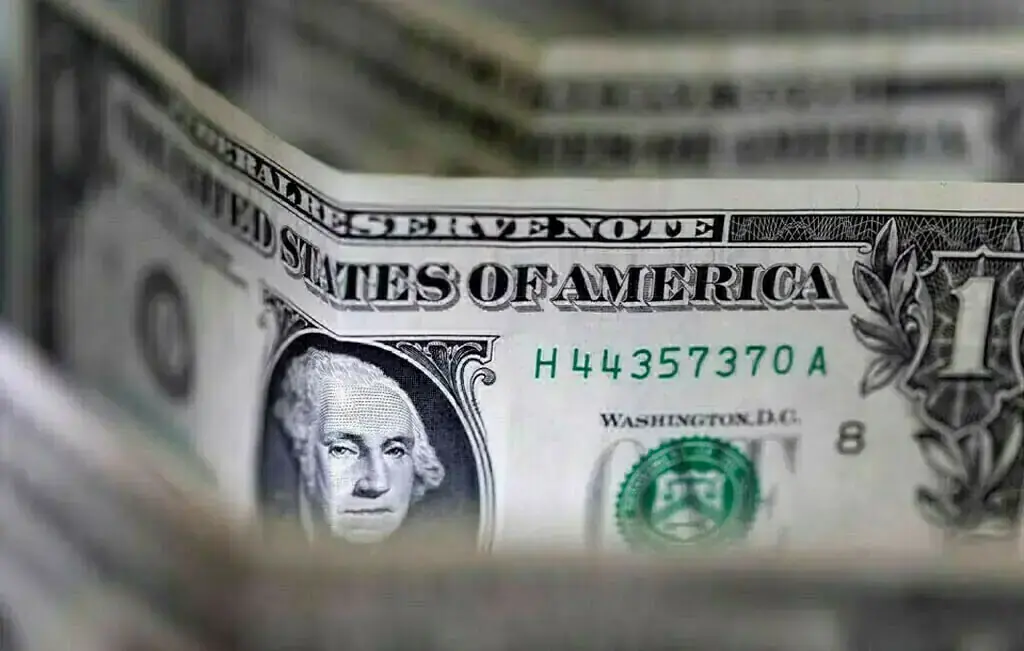

SINGAPORE: The US dollar made a feeble start to 2026 on Friday after struggling against most currencies last year, while the yen steadied near 10-month lows as traders awaited economic data this month to gauge the path of interest rates.
A dwindling interest rate difference between the U.S. and other economies has cast a shadow over the currency market, resulting in most currencies gaining sharply against the dollar in 2025, with the yen an exception.
The euro was steady at $1.1752 in early Asian hours after surging 13.5% last year, while sterling last bought $1.3474 following a 7.7% increase in 2025. Both currencies clocked their steepest annual rises since 2017.
The yen was last at 156.74 per U.S. dollar after rising less than 1% against the greenback in 2025 and hovering close to the 10-month low of 157.90 it touched in November that sparked worries of intervention from Tokyo.
Severe verbal warnings from authorities in Tokyo through December managed to push the yen away from the intervention zone but those fears still linger.
With markets in Japan and China closed, volumes are likely to be thin and moves muted during Asian hours.
Anthony Doyle, chief investment strategist at Pinnacle Investment Management, said the global economy enters 2026 with reasonable momentum, with the probability of recession remaining low.
“Outside of the United States, the central bank rate cut impulse is fading, which is a feature not a bug: fewer rate surprises reduce one-way market moves and raise the importance of selection across regions, factors and asset classes.”
The dollar index , which measures the U.S. currency against six other units, was at 98.243 after registering a 9.4% decline in 2025, its biggest drop in eight years as interest rate cuts, erratic trade policies and worries about the Federal Reserve’s independence under the Trump administration weighed.
Economic data including the U.S. payrolls report and jobless data are due next week and will provide clues on the health of the labour market and where U.S. rates may end up this year.
Much of the focus in the early part of the year will also be on who U.S. President Donald Trump picks to be the next Fed Chair as current head Jerome Powell’s term ends in May.
Investors are bracing for Trump’s pick to be more dovish and cut rates after Trump repeatedly criticised the Fed and Powell last year for not cutting rates more swiftly or deeply. Traders are pricing in two rate cuts in the year compared to one predicted by a divided Fed.
“We expect that concerns around central bank independence will extend into 2026, and see the upcoming change in Fed leadership as one of several reasons why risks around our Fed funds rate forecast skew dovish,” Goldman strategists said.
The Australian and New Zealand dollars both started the new year on the front foot. The Aussie was 0.1% higher at $0.66805 after a nearly 8% rise in 2025, its strongest yearly performance since 2020.
The kiwi snapped its three-year losing streak with a nearly 3% gain last year. On Friday, it was little changed at $0.5755.





















Comments
Comments are closed for this article.