


Waste challenge requires collective reform: minister: Pakistan needs unified national system to drive plastics circularity
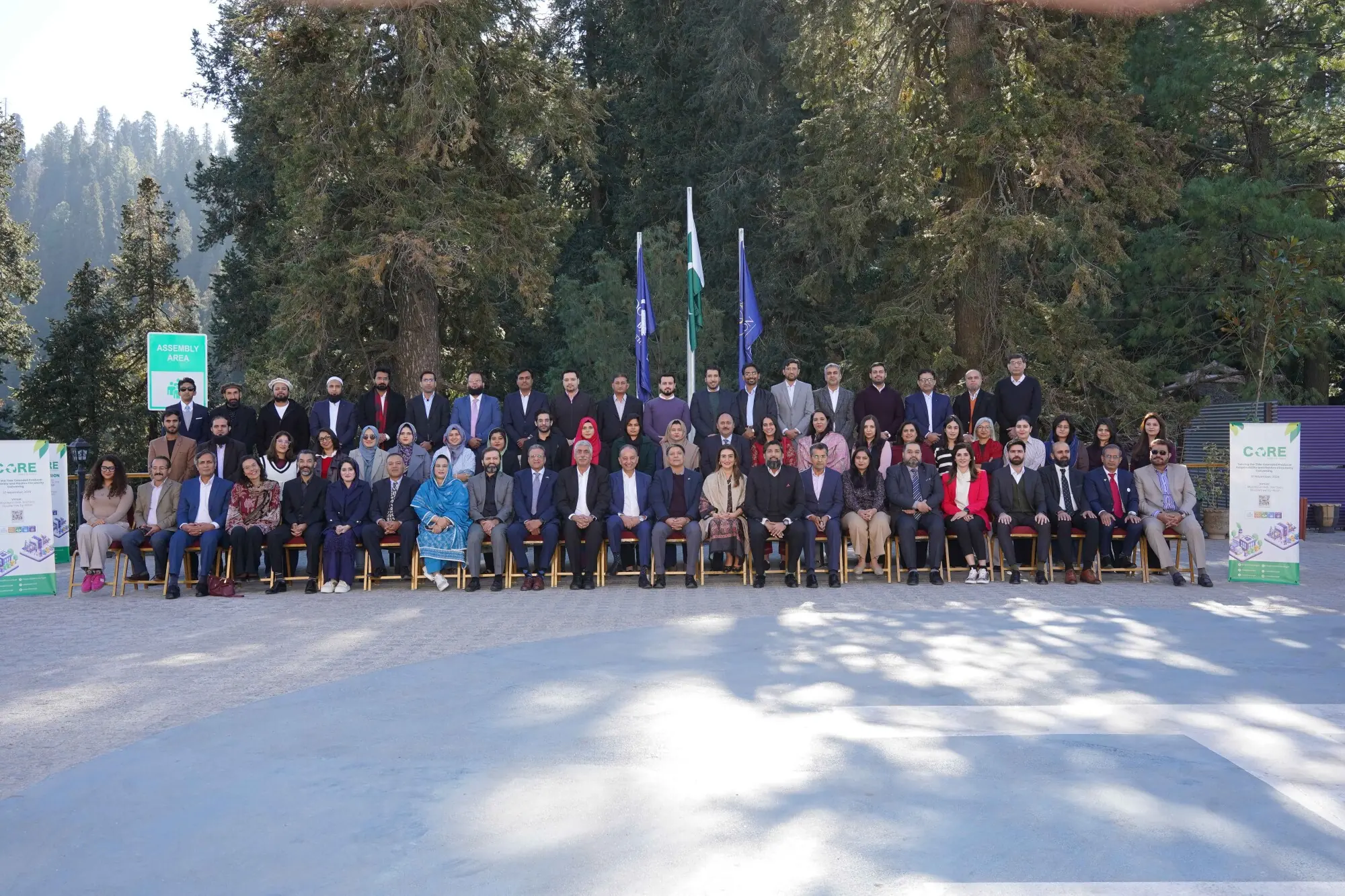

KARACHI: Speakers at the dialogue emphasised that although some territories have advanced their own Extended Producer Responsibility (EPR) frameworks, Pakistan now needs a unified national system to drive plastics circularity and ensure scale, efficiency and predictable compliance for producers and recyclers.
The two-day convening, “Turning the Tide: Extended Producer Responsibility and Plastics Circularity,” organised by the CoRe Alliance, brought together more than 80 representatives from federal and provincial governments, waste management companies, environment protection agencies, State Bank of Pakistan as well as major FMCGs, recyclers, packaging companies, financial institutions, UN agencies, think tanks, academia and media.
Discussions focused on policy harmonisation, global lessons from the Global South, packaging innovation, social inclusion of waste workers and green financing mechanisms for recycling infrastructure.
In his address, Senator Dr Musadik Masood Malik, Federal Minister for Climate Change and Environmental Coordination, said Pakistan’s waste challenge requires collective reform.
“Harmonising provincial regulations and creating the right incentives will be central to building a climate-resilient waste ecosystem. A unified approach strengthens enforcement, encourages innovation and ensures that producers can meet their responsibilities in a transparent and efficient manner,” he said, concluding, “Injustice is unsustainable as the onus of responsibility also lies towards the west that is generating more than 80 percent of the worlds waste.”
While addressing the multistakeholder convening, Romina Khurshid Alam, Member National Assembly & Coordinator to the Prime Minister on Climate Change and Aisha Humera, Federal Secretary Ministry of Climate Change, both highlighted that EPR directly supports Pakistan’s climate and economic reform agenda. Circular systems reduce waste, create green jobs and position Pakistan to attract international climate finance.
Offering an industry perspective, Sheikh Waqar Ahmad, CEO CoRe Alliance and Head of Corporate Affairs and Sustainability at Nestle Pakistan said, “The private sector is ready to collaborate with government to build the systems required for circularity. A transparent, structured and nationally aligned EPR framework will help scale recycling infrastructure, strengthen traceability and integrate informal workers in a fair and sustainable way.”
Senator Bushra Anjum Butt and Senator Dr Afnan Ullah Khan, members of the Standing Committee on Climate Change and Environment and Standing Committee on Science & Technology respectively, both emphasised that predictable, long-term policies are the backbone of successful EPR models globally. They stressed that countries that have advanced circularity did so with clarity, consistency and sustained regulatory backing inclusive to all sectors such as textiles, fertilizers, e-waste and telcos etc.
The convening concluded with CoRe board member and Unilever Head of External Affairs Hussain Talib announcing the ten policy recommendations that will be submitted as a policy document to the Ministry of Climate Change and Environmental Coordination, and the Ministry of Finance. These include harmonized EPR legislation, clearly defined roles and responsibilities, phased and realistic compliance timelines, strengthened scavenger economics, extended consumer responsibilities , fiscal incentives for recycling infrastructure, and a national digital traceability and monitoring system.
Participants agreed that coordinated action can support Pakistan’s transition to a circular economy and align with global environmental commitments.
Copyright Business Recorder, 2025

























Comments
Comments are closed for this article.