


Iran’s currency sinks to a new record low
- The open rate market is where ordinary Iranians buy foreign currency, whereas businesses typically use state-regulated rates
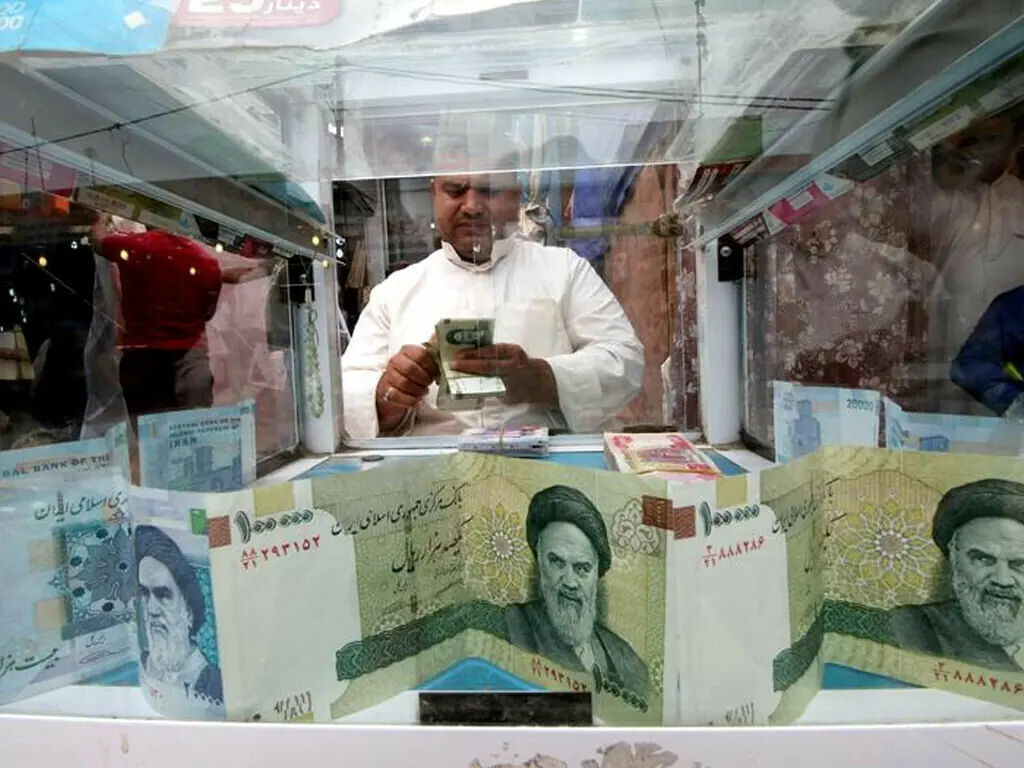

DUBAI: Iran’s currency slipped to the lowest level in its history on Monday, nearing 1,250,000 rial to the U.S. dollar on the open rate market, various outlets including the semi-official Tasnim news agency reported.
The Iranian rial stood around 55,000 to the U.S. dollar in 2018, when U.S. sanctions were reimposed by the first Trump administration to force Tehran to the negotiating table by limiting its oil exports and access to foreign currency.
Iranian media blamed the government’s recent economic liberalisation policies for adding pressure to the open rate market.
The open rate market is where ordinary Iranians buy foreign currency, whereas businesses typically use state-regulated rates.
However, the government’s recent decision to allow importers to tap into the open market to import essential goods has added pressure on the market and increased the dollar’s price, semi-official Fars news agency said.
Iran’s economy is at risk of recession, with the World Bank forecasting an economic shrinkage of 1.7% in 2025 and 2.8% in 2026. The risk is compounded by rising inflation, with Iran’s Statistical Centre announcing monthly inflation of 48.6% in October, the highest in 40 months.
Despite inflationary pressures, Iran said last month it would increase fuel prices in December under certain conditions, primarily impacting drivers using more than 100 litres per month.




















Comments
Comments are closed for this article.