


Pakistan faces a long-standing challenge, which is steady and affordable electricity for homes and industry.
Imported fuel makes power costly and exposes the country to price shocks and supply breaks. Turning instead to local coal resources offers a practical path to secure base load power, lower tariffs, and keep energy spending inside the country.
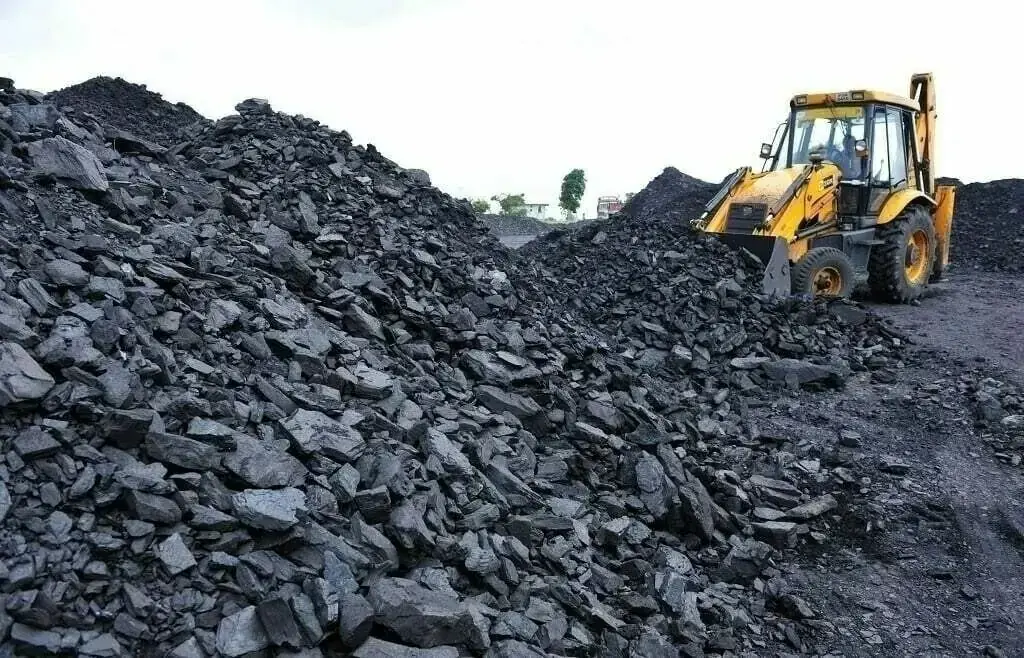
The Thar region holds one of the largest coal deposits in the world. Geological surveys estimate reserves of around 175 billion tonnes of lignite spread across more than 9,000 square kilometre. This is part of Pakistan’s overall coal reserves of about 186 billion tonnes as of 2024, which, if developed carefully, can supply power for centuries. Using this resource would reduce the huge outflow of foreign exchange that comes from buying imported coal and fuel.
Since 2019, Thar Block II alone has generated more than 27,000 gigawatt hours of electricity and helped the country save around 1.3 billion dollars in foreign exchange.
Local mining will also create jobs for thousands of workers, develop infrastructure in Sindh, and keep wealth circulating inside Pakistan instead of leaving the country in the form of foreign payments.
International experience shows that even countries pushing away from coal returned to it when energy was tight.
During the energy disruption after the Russia-Ukraine war, Germany increased coal use to cover gaps and protect its grid.
Poland, India, and even parts of China also expanded local coal generation to ensure that industries and households did not face blackouts. These examples highlight that while renewables and cleaner technologies are important, coal remains the backbone for stable base load electricity when crises strike.
Pakistan can learn from such events and build a stable plan for local fuel use without sacrificing long term goals.
The Jamshoro Power Company Limited (JPCL) project is well-placed to lead this shift. The JPCL project, initially conceived before 2013, originally planned to use 80% imported coal and 20% local coal for its two 660 MW units.
K-Electric is now working to convert one unit to 100% local coal, aiming to provide affordable energy to Karachi and reduce the government’s subsidy burden. This conversion, which is vital for Pakistan’s energy affordability and security, is expected to bring significant economic benefits, including over $2 billion over the project’s lifespan. By utilizing local coal, the transition will reduce energy costs, enhance energy security, and align with the government’s strategy to decrease reliance on fuel imports.
Additionally, it will support domestic industries and create jobs in coal mining regions, especially in Thar, where vast reserves remain largely untapped.
A switch to Thar lignite could help bring down generation cost from the current twenty rupees per unit for imported coal to around fourteen rupees per unit on local fuel. This would also mean more predictable fuel supplies and fewer stoppages linked to global market problems.
The company can act as a flagship project, showing how local coal can be integrated into Pakistan’s national grid with success. Economic gains from using local coal are clear on paper.
Experts and seminars in Pakistan have argued that replacing imported coal can save billions in foreign exchange, lower electricity prices and protect the economy from swings in world coal and shipping markets. For example, current production of 2,640 megawatts from Thar is expected to expand to over 3,000 megawatts, while mining capacity in Block II has increased to 7.6 million tonnes annually and is being expanded to 11.2 million tonnes. These savings and expansions can be redirected toward plant upgrades, local jobs, and regional development near mining areas.
In addition, transport costs will be lower when coal is sourced from Thar compared to imported shipments through Karachi ports. For an economy under pressure from rising debt and currency depreciation, this saving could provide the breathing space needed to stabilize both the power sector and broader national finances.
The wider economic impact cannot be ignored. A consistent supply of affordable electricity supports industrial growth, boosts exports, and creates a more competitive business environment. High tariffs today are forcing factories to shut down or reduce production, while households face heavy bills each month.
Shifting to local coal offers a practical solution that directly addresses this burden. When electricity prices fall, industry revives, jobs are created, and the cycle of growth gains momentum. With demand for coal expected to rise from about 24 million tonnes in 2024 to nearly 50 million tonnes by 2030, the need for a strong local supply chain is only growing.
Environmental and social concerns must be treated seriously. Modern coal plants with better technology can cut emissions per unit of power compared with older units. The Shanghai Electric plant in Thar, for example, has built-in emission controls that reduce particulate matter and sulphur dioxide. Careful planning must include dust control, safe water use, land rehabilitation and community programmes in mining areas.
Pakistan should pair any local coal plan with investments in cleaner coal technology and a long-term roadmap to include renewables as they scale up. This balance will make local coal a bridge that secures power while the country expands cleaner options. Importantly, countries that used coal successfully for decades have shown that strict environmental rules can allow coal and renewables to work side by side. Pakistan has the chance to adopt the same approach.
In short, Pakistan’s conversion to local coal is very important, given the current affairs. Converting plants like Jamshoro to run on Thar coal can cut dependence on imports, lower costs, create jobs and stabilize the grid.
With strong regulation, modern technology and community safeguards, local coal can be the reliable backbone Pakistan needs while it builds a cleaner energy future. For now, Pakistan must see coal not as a burden but as a national resource hero, capable of powering industries, lighting homes, and giving the economy a firm foundation for the years ahead.
Copyright Business Recorder, 2025
The writer is a freelance Journalist and can be reached at [email protected]




















Comments
Comments are closed for this article.