


Belgian PM says using frozen Russian assets could block Ukraine peace deal
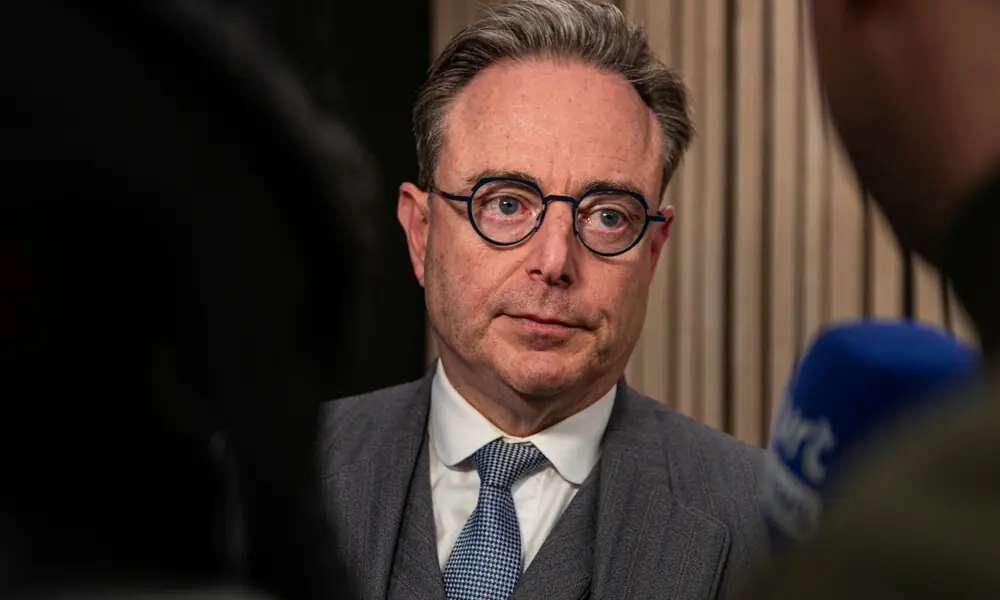

BRUSSELS: Belgian Prime Minister Bart De Wever said the European Union’s plan to use frozen Russian state assets to fund Ukraine could endanger the chances for a potential peace deal to end the nearly four-year war.
Belgium’s support for the plan is crucial as the assets the EU hopes to use are held by Belgian financial institution Euroclear.
At a summit last month, EU leaders tried to agree on a plan to use 140 billion euros ($162 billion) in frozen Russian sovereign assets in Europe as a loan for Kyiv, but failed to secure Belgium’s backing.
“Hastily moving forward on the proposed reparations loan scheme would have, as collateral damage, that we as EU are effectively preventing reaching an eventual peace deal,” De Wever said in a letter to European Commission President Ursula von der Leyen, seen by Reuters.
The Financial Times first reported on the letter late on Thursday.
Under a plan put forward by von der Leyen, the frozen Russian central bank assets in Europe would be lent to Ukraine for Kyiv to use for defence and regular budget needs.
EU will back Ukraine ‘every step of way’ until peace: von der Leyen
EU LEADERS SET TO PRESS BELGIUM AGAIN
The letter came as the Commission, the EU’s executive body, prepares to address Belgium’s concerns in draft legal proposals on the use of frozen assets, which EU officials say could be presented on Friday or over the weekend.
De Wever said Belgium had not yet seen “any proposed legal language by the Commission”.
The European Commission confirmed on Friday that it had received De Wever’s letter and that intensive discussions were taking place, including with Belgium.
“These are uncharted waters, so it’s legitimate to ask questions, to share concerns, and we are really doing our utmost to address those concerns in a satisfactory manner,” a Commission spokesperson said, adding the EU executive was confident in its legal team’s ability to assess the situation.
The Commission hopes EU leaders can reach an agreement on the issue at their next summit on December 18-19.
Von der Leyen proposed earlier this month alternative options to finance Ukraine, whose financing gap is set to widen significantly next year.
However, she has remained primarily focused on the frozen-assets plan since first introducing it in September, given that many EU member states oppose taking on more debt.
Russian assets most effective way to finance Ukraine, von der Leyen says
‘SCHEME IS FUNDAMENTALLY WRONG’
“The proposed reparations loan scheme is in my view fundamentally wrong,” De Wever said, adding that historically, during a war, immobilised assets had never been put to use.
“Such assets have been the object of decisions during after-war settlements, usually in the context of war reparations by the losing party.”
De Wever reiterated his concerns about potential Russian retaliation and the prospect of financial claims against Belgium and Euroclear, threats Moscow has already raised.
Apart from the funds immobilised in Belgium, an estimated 25 billion euros of Russian assets are frozen in EU banks elsewhere, mainly in France and Luxembourg.
Belgium has previously said other countries that have Russian assets, including the U.S., Britain, Canada and Japan, should also be included in the scheme.

























Comments
Comments are closed for this article.