


EDITORIAL: In an era defined by strategic realignments, it is quietly reassuring that Pakistan and China continue to act with a sense of shared trust even amid the world’s deepest rivalries.
Beijing’s confirmation that Islamabad kept it informed of mining cooperation with the United States reflects a maturity of engagement that goes beyond transactional diplomacy. Both sides understand that strategic confidence, not secrecy, is the foundation of endurance in a changing global order.
The context makes this clarity of purpose remarkable. China and the United States are locked in an increasingly aggressive contest over trade, technology, and resources, with rare earths at the centre of it. Washington has been pressuring allies and client states to decouple from China, just as it has nudged India to distance itself from Moscow.
In such a climate, Pakistan’s transparent communication with Beijing over its mining collaboration with a US company signals prudence. It preserves Pakistan’s sovereign right to diversify partnerships while reassuring its most critical ally that its core commitments remain intact.
Beijing’s measured response is equally telling. The Chinese foreign ministry’s statement that both countries maintain “high-level strategic mutual trust and close communication” reinforces what the relationship has long demonstrated: that the Pakistan-China partnership is built on confidence, not conditionality.
The clarification that Pakistan’s cooperation with the US “will never harm China’s interests” shows that both sides understand the difference between diversification and defection. That nuance is often lost in the zero-sum logic of modern geopolitics.
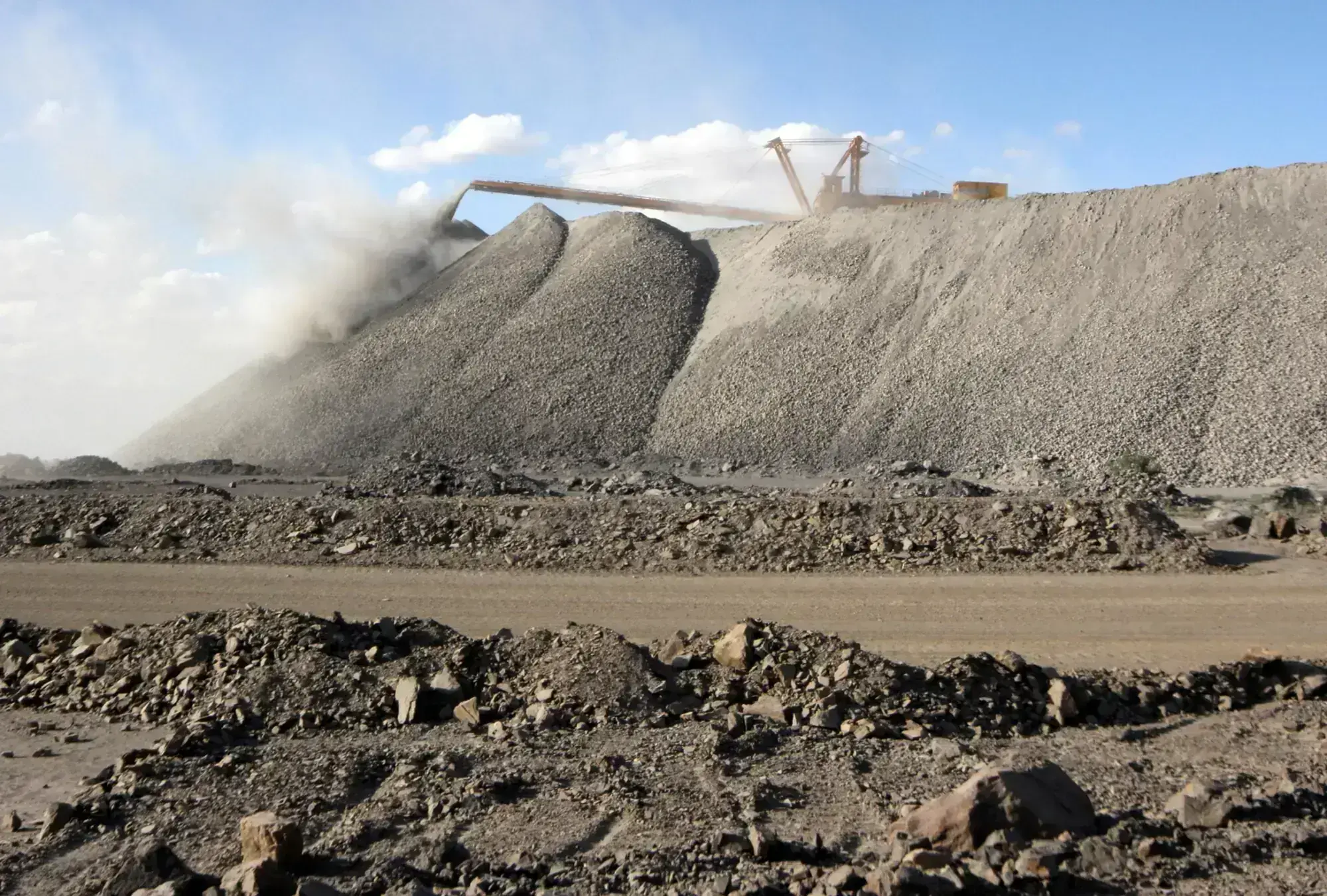
It is also a reminder of the balance Pakistan must strike as global fault lines harden. Rare earth minerals have become the new oil of the twenty-first century, and competition over them is intensifying. China produces more than ninety percent of the world’s processed rare earths and has recently tightened export controls, while the United States is scrambling to secure alternative sources. Pakistan’s mineral wealth gives it leverage but also exposure. Managing this opportunity without slipping into dependency on either camp will require the same quiet diplomacy that defined this episode.
Equally important is the tone Beijing adopted. By dismissing rumours that sought to “drive a wedge” between the two countries, it reaffirmed that the friendship remains immune to manufactured mistrust. This steadiness contrasts with the volatility of global alignments elsewhere, where smaller states are routinely pulled into proxy rivalries. The Pakistan-China axis, by contrast, continues to operate on the logic of mutual respect and long-term alignment rather than short-term advantage.
The symbolism matters. When an ally under intense external pressure chooses communication over concealment, it strengthens the architecture of trust that has sustained one of Asia’s most durable partnerships. For Pakistan, the lesson is that strategic transparency with Beijing is not a constraint on engagement with others; it is an insurance policy against misinterpretation. For China, it reaffirms that its investment in Pakistan’s stability is well placed.
At a time when great powers are forcing smaller states to take sides, this equilibrium is rare. It shows that trust, once institutionalised, can withstand the noise of shifting alliances. The Pakistan-China friendship has been tested repeatedly across decades — in war, reconstruction, and isolation — and every time, it has held. That it continues to do so, even as the world grows more divided, is reason enough for quiet confidence.
Copyright Business Recorder, 2025




















Comments
Comments are closed for this article.