


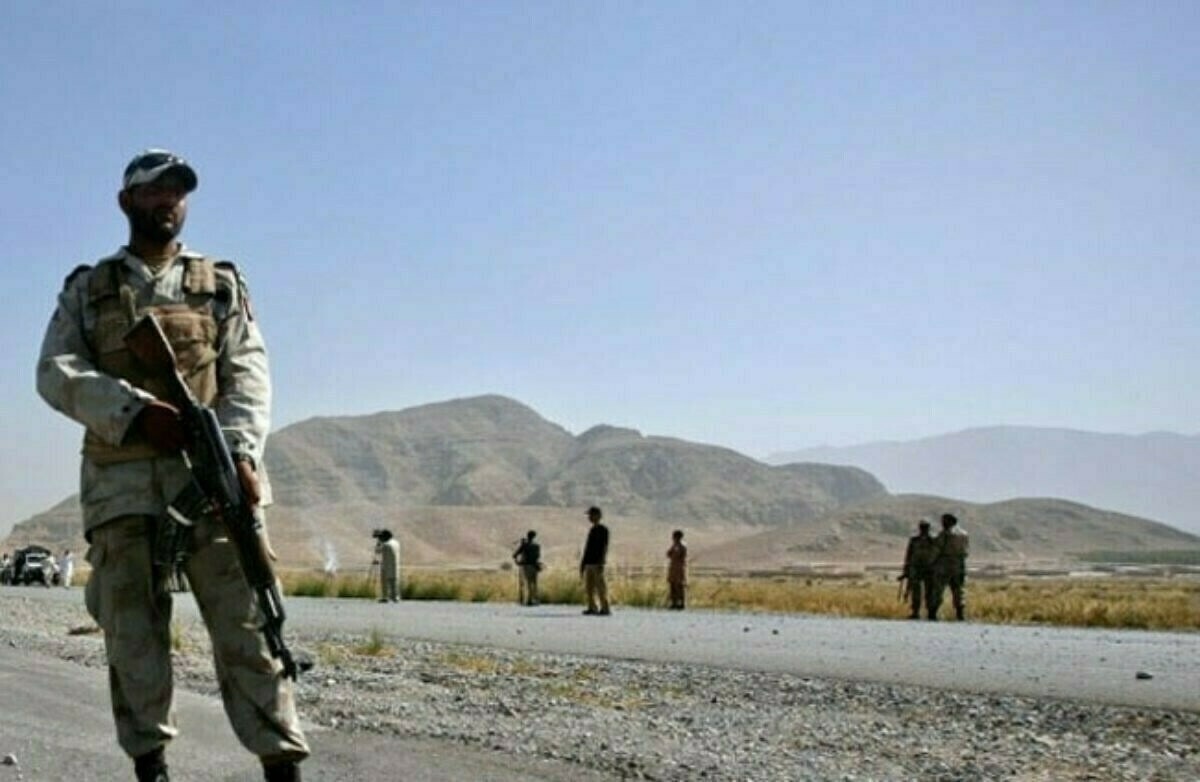
EDITORIAL: The Quetta bombing that tore through a BNP-M rally has underlined how the militant landscape in Balochistan has become even more complicated. For years, the province has endured separatist attacks and the presence of groups such as the TTP.
Now, with IS-K formally claiming responsibility for the carnage, the threat spectrum has widened. That they could strike at the heart of a political gathering in the provincial capital, despite prior warnings, reflects poorly on the state’s preparedness.
Yet authorities were not completely blindsided. IS-K has established a footprint across the border in Afghanistan, operating alongside other militias that frequently regroup there before launching attacks inside Pakistan. Their presence, layered over the existing activity of separatist groups and the TTP, meant that intelligence agencies and security planners were already aware of the risk.
The excuse that this attack represents a “new” challenge does not hold. The challenge is not new; only its expression is. The real problem lies in the failure to translate intelligence assessments into effective security protocols on the ground.
Political leaders also have a responsibility. At a time when threats are active and acknowledged, rallies and large gatherings must be managed with the support and advice of security agencies. In Quetta, warnings were issued to postpone the event, yet the BNP-M pressed ahead.
The principle of defying militants by showing public resolve is understandable, but leaders must balance that with the safety of their followers. Courage does not lie in presenting soft targets to suicide bombers. It lies in sustaining the political process without unnecessary exposure.
Still, responsibility ultimately rests with the state. Citizens have a right to expect protection, whether at a political rally or in everyday life. The fact that militants could breach security in Quetta, a city already under heavy surveillance, is unacceptable. It demonstrates lapses not only in securing the perimeter but also in anticipating how such an attack might unfold. A government that fails to protect peaceful gatherings loses more than lives; it loses public confidence in its ability to govern.
The emergence of IS-K as an actor in Balochistan demands a recalibration of strategy. Unlike local separatists with defined political grievances, IS-K thrives on ideological extremism and indiscriminate violence. Their intent is not negotiation but destabilisation. Left unchecked, they will embed themselves in the province’s already volatile mix of militancy and criminality, just as they have done in parts of Afghanistan. Early containment is essential before they carve out lasting space.
That containment, however, cannot rely solely on kinetic measures. It must involve intelligence integration across provinces, stronger coordination with regional partners, and, crucially, protection for civilian political activity.
Events that bring thousands together should not be treated with anything less than the security detail accorded to military installations. Balochistan’s political forces, regardless of ideology, are central to the democratic process. Their ability to campaign and assemble freely is what ultimately offers the province a path out of violence.
The state cannot allow militants to dictate that process. Every lapse that leads to tragedy emboldens them further. Security must be tightened, political actors must exercise prudence, and intelligence must translate into action. IS-K’s appearance in Quetta is not a new chapter but a continuation of a long struggle with terrorism.
The difference now is that Pakistan has no margin left for avoidable errors. The best possible security is not an aspiration; it is an obligation.
Copyright Business Recorder, 2025




















Comments
Comments are closed for this article.