


Expert calls for developing climate-resilient infrastructure in Pakistan
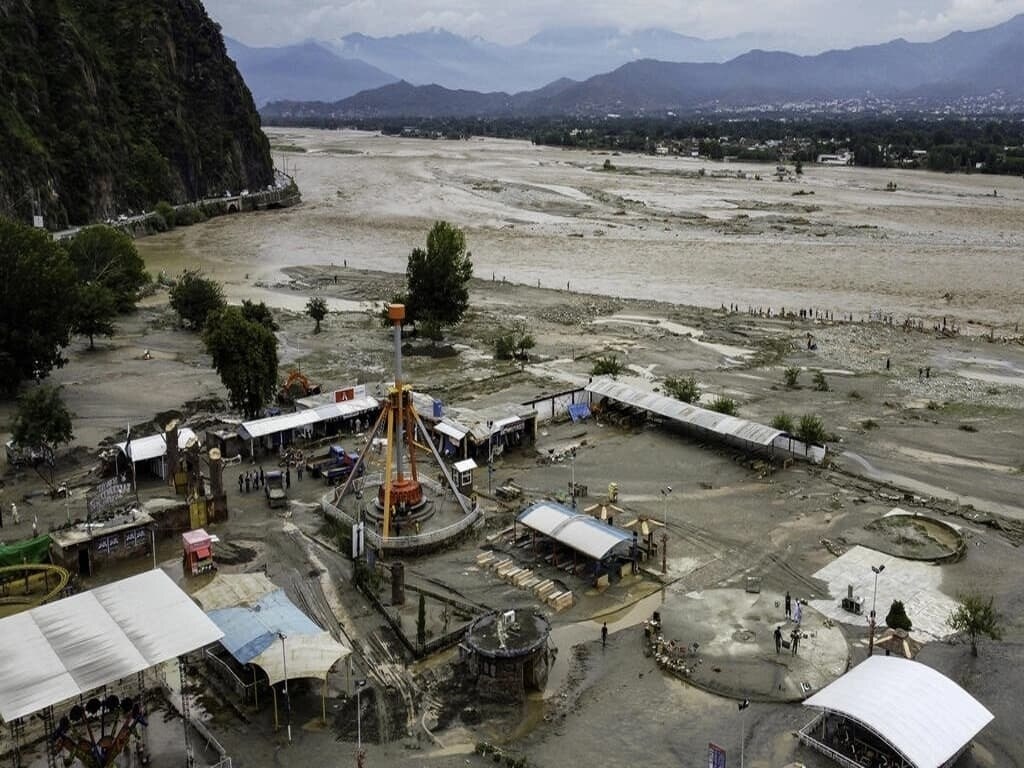

KARACHI: Our challenges as a nation are multiplying year after year, with floods and heavy rains continuing to wreak havoc; even in 2025, the situation remains devastating, said Ateeq ur Rehman, an economic & financial analyst.
He said the most alarming impact is on food security, as mounting inflation and the soaring cost of groceries have made basic necessities unaffordable for millions. Shortages of livestock, dairy, vegetables, and fruits are deepening the crisis, threatening both livelihoods and nutrition.
He said rising temperatures, coupled with stagnant water, are creating fertile ground for the outbreak of health risks such as dengue, malaria, and other waterborne diseases. If left unaddressed, these challenges will further erode human lives, livelihoods, and national stability.
He said recent floods are not only destroying homes, schools, and healthcare facilities but also displacing millions of people, leaving behind deep and lasting scars on communities. This recurring devastation highlights the urgent need for Pakistan to move beyond short-term relief efforts and embrace a paradigm shift toward resilience.
He said building a sustainable and disaster-resilient future requires collective action, where the private sector, corporate leaders, and financial institutions step forward with responsibility and vision. “By investing in climate-smart infrastructure, sustainable agriculture, and stronger social safety nets, we can pave the way for a more resilient economy one that safeguards live, livelihoods, and generations to come.”
He added that wheat, rice, cotton, and pulses form the lifeline of Pakistan’s food security and exports, yet recurring floods and heavy rains are destroying these vital crops with alarming frequency. The resulting shortages are driving up the prices of wheat flour, rice, milk, and vegetables, placing unbearable pressure on household budgets.
He said for millions already living below the poverty line, this translates into skipped meals, malnutrition, and deepening hunger, threatening not just livelihoods but the very survival of vulnerable communities.
Pakistan is increasingly dependent on imports of wheat and pulses, leaving the nation highly vulnerable to global supply chain disruptions and price shocks, he said. “At a time when the country is already grappling with a balance of payments crisis and a widening trade deficit with most trading partners, this growing reliance on essential food imports threatens to accelerate the trade gap even further.”
Such dependence not only undermines food security but also places an additional and unsustainable burden on an already fragile economy, demanding urgent reforms in agricultural productivity and trade management, said Ateeq.
The livestock, the backbone of rural households, has perished in thousands compounding the misery of livestock and dairy farming. The way forward lies in shifting from reactive relief to proactive resilience through a multi-pronged national strategy. Pakistan must invest in climate-smart agriculture to safeguard wheat, rice, cotton, and pulses, alongside modern irrigation systems, seed banks, and flood-resilient crop varieties, he said.
Strengthening the livestock and dairy sector through insurance schemes, veterinary support, and resilient shelters can restore rural livelihoods, he said, adding to ease the pressure of imports and trade deficits, boosting local production of wheat and pulses is essential, supported by technology-driven farming and farmer cooperatives.
At the same time, building disaster-resilient infrastructure, expanding healthcare access to combat waterborne diseases, and developing robust social safety nets will protect vulnerable communities.
This transformation requires not only government leadership but also active participation from the private sector, corporate stakeholders, and financial institutions to collectively build a sustainable, resilient, and food secure Pakistan, he concluded.
Copyright Business Recorder, 2025






















Comments
Comments are closed for this article.