


Indian rupee plunges to all-time low on steep US tariffs, logs 4th month of loss
- The rupee ended at 88.1950 per U.S. dollar, down 0.65% on the day
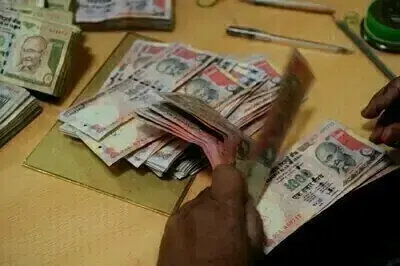

MUMBAI: The Indian rupee plummeted to record lows on Friday, breaching the 88-per-dollar mark for the first time on concerns that punitive U.S. tariffs could hurt growth and further hit portfolio flows.
Washington imposed an additional 25% tariff on Indian goods this week, doubling the total duties faced by the South Asian nation to 50%.
The rupee ended at 88.1950 per U.S. dollar, down 0.65% on the day, marking its biggest one-day loss in nearly three months.
The currency hit an all-time low of 88.3075 during the session, likely prompting intervention from the Reserve Bank of India.
The rupee fell 0.68% in August, largely due to Friday’s decline, extending its losing streak to the fourth month.
“The U.S. tariffs are likely to prolong India’s balance of payment stress, keep financial flows weak, and widen the trade deficit,” Dhiraj Nim, FX strategist at ANZ Bank said.
“My view remains bearish on the rupee, with dollar/rupee likely to rise more despite a broadly weaker dollar.”
The U.S. tariffs are likely to shave off 60-80 basis points from India’s GDP growth if they stay in place for a year, economists have said, potentially adding pressure on an already slowing economy.
India’s central bank currently expects the economy to grow by 6.5% in the current financial year that ends on March 31.
Indian exports to the U.S. account for 2.2% of GDP but a sharp slowdown in labour-intensive industries like textiles and jewellery could lead to job losses and worsen the economic impact, economists have said.
The tariffs could widen India’s trade deficit at a time when foreign portfolio flows have been weak, worsening the country’s balance of payments.
Foreign portfolio investors have sold $9.7 billion in Indian debt and equities so far this year.
They have pulled more than $1 billion from Indian equities over the two sessions following the announcement of additional U.S. tariffs.
This week saw Indian equities register their steepest drop since March.
The rupee’s decline this week—including a new all-time low against the yuan on Friday—could partially cushion the impact of higher U.S. tariffs.
The rupee has struggled versus the dollar despite a broadly weaker dollar.
“This is not a bad thing though because the trade weighted real effective exchange rate is now at the lowest level in 2 years and should help boost competitiveness,” analysts at J.P. Morgan said in a note.



















Comments
Comments are closed for this article.