


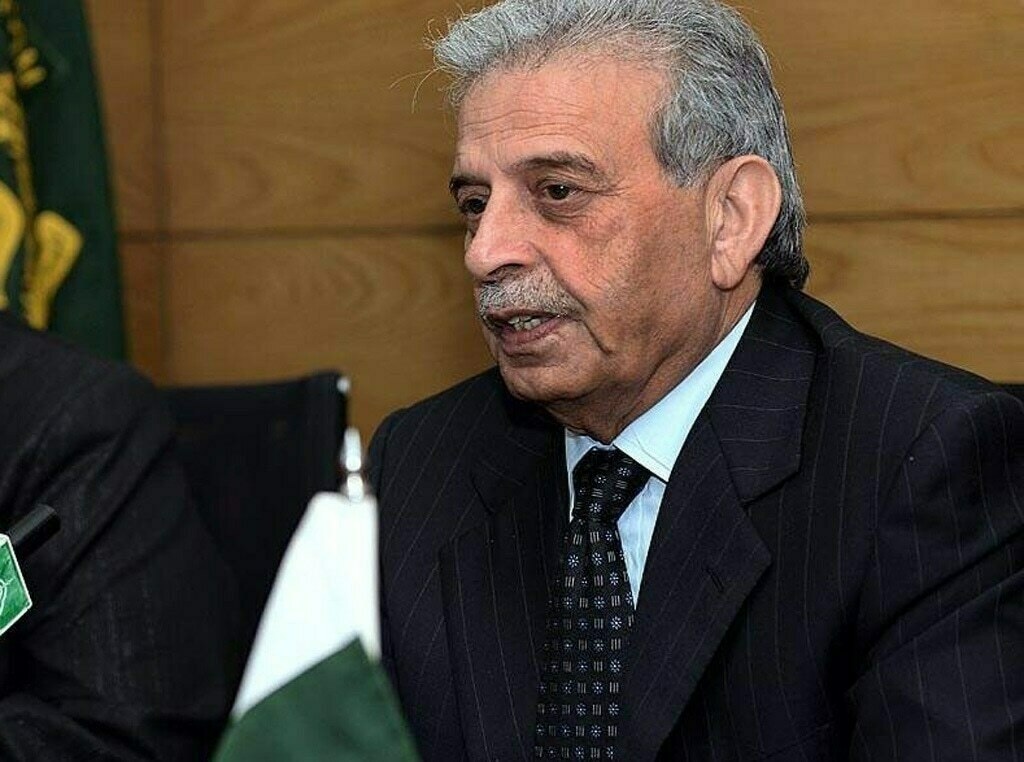

ISLAMABAD: Federal Minister for National Food Security and Research Rana Tanveer Hussain on Thursday revealed that corruption amounting to nearly Rs1 billion had been committed within the Pakistan Agricultural Storage and Services Corporation (PASSCO) during wheat procurement operations last year (2024–25).
The minister, while briefing the Senate Standing Committee on National Food Security, stated that investigations had confirmed large-scale embezzlement within the state-run procurement body.
In response to a query by committee chairman Senator Syed Masroor Ahsan, Hussain disclosed that the federal government, under directives from Prime Minister Shehbaz Sharif, has decided to dissolve PASSCO and establish a new institution in its place.
Officials from PASSCO briefed the committee on wheat procurement activities, noting that the target for the year 2024-25 had been set at 1.8 million tons, of which, 1.785 million tons were successfully procured. They further informed the committee that as of April 28, 2025, the organisation holds wheat stocks amounting to approximately 2.43 million metric tons. However, no procurement target for 2025 has yet been issued by the federal government.
Addressing the corruption issue, PASSCO officials said investigations had been initiated against 249 employees, including two senior general managers. Disciplinary actions included the termination of one officer, forced retirement of another, and withholding of salary increments for two others.
Concerns were also raised over wheat stock conditions in Balochistan. Senator Danesh Kumar warned of an impending crisis if wheat procurement is not undertaken promptly, noting that some stocks in the province have already spoiled. Minister Hussain confirmed the deterioration of certain wheat stocks in Balochistan.
The committee was briefed on the alarming spread of counterfeit seeds in the country. The director general (DG) Federal Seed Certification and Registration Department (FSC&RD) informed the committee about ongoing actions against companies and officials involved in the sale of fake seeds, which pose a serious threat to food security.
The DG told the committee that following the third-party audits, out of 1,200 registered seed companies registered, nearly 400 companies were found involved in selling fake seeds and their registrations been cancelled.
Between 2020 and 2024, over 2,700 challans were issued to fake seed sellers, he said. He said that efforts are underway to improve access to quality seeds, including the import of certified and hybrid seeds, particularly for cotton. The minister assured that visible improvements will be seen in the agriculture ministry’s performance within six months.
Senators Rahat Jamali, Abdul Waseh, Danesh Kumar and senior officials from the Ministry of National Food Security and Research also attended the meeting.
Copyright Business Recorder, 2025




















Comments
Comments are closed for this article.