


Speakers stress OIC member states to prioritise water security in their climate action strategies
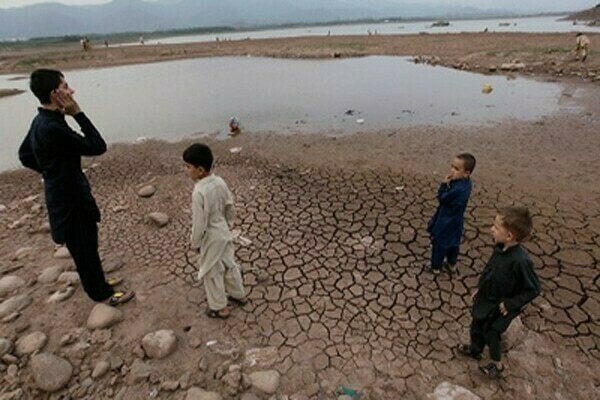

ISLAMABAD: Speakers at a seminar, while acknowledging joint efforts to deal with climate change-related challenges, especially in Muslim countries have stressed Organisation of Islamic Cooperation (OIC) member states to prioritise water security in climate action strategies.
Speaking at an event titled, “Networking of Water Centers of Excellence in OIC Member States” jointly organised by OIC-COMSTECH and the OIC General Secretariat in collaboration with the Hisaar Foundation, SESRIC (Statistical, Economic and Social Research and Training Centre for Islamic Countries and COMSTECH Inter-Islamic Network on Water Resources Development and Management, they emphasised collective efforts for sustainable water management in OIC member states.
They maintained that such a gathering is a significant step toward strengthening research, knowledge sharing, and coordinated action on water security.
The event is being attended by policymakers, experts, and representatives from water centres of excellence across OIC member states, including Saudi Arabia, Algeria, Bangladesh, Benin, Burkina Faso, Cameroon, Egypt, Ivory Coast, Jordan, Kazakhstan, Kuwait, Malaysia, Mauritania, Morocco, Niger, Oman, Pakistan, Palestine, Qatar, Senegal, Somalia, Togo, Turkiye, Uzbekistan, and Yemen.
Ambassadors from various member states, including Jordan, Morocco, Kazakhstan, Libya, and Somalia, were also present at the inaugural session, signifying the high-level commitment to tackling water challenges collectively.
The initiative follows Resolution No 1/4-ICWM/2018, adopted at the 4th Islamic Conference of Ministers Responsible for Water in Cairo, Egypt, in October 2018, and the recommendations of the 2nd OIC Water Council meeting in 2019.
RominaKhurshidAlam, Coordinator to the Prime Minister on Climate Change, emphasised the urgency of addressing water challenges, particularly in the face of climate change.
She highlighted the central role of COMSTECH and stronger policy frameworks, regional cooperation, and investment in research and development to ensure sustainable water management.
She also commended COMSTECH for its leadership in spearheading this crucial initiative.
No single country can tackle these challenges alone,she said and added that OIC through collective strength and shared vision, must step forward as a leader in global water security efforts.
Large parts of the Middle East, North Africa, and South Asia, which have significant OIC representation, are facing severe water shortages due to declining groundwater levels, extreme weather events, and inefficient water management practices, she said.
“The catastrophic floods of 2022 displaced millions, while prolonged droughts continue to impact our agricultural output,” Alam added.
She emphasised that Pakistan has made water security a national priority.
“Our government has invested in water conservation projects, including rainwater harvesting, smart irrigation, food resilience initiatives, and sustainable water governance policies that align with our climate action commitments,” she said.
Alam underlined the critical importance of research and innovation in tackling water scarcity, stating, “We cannot manage what we do not measure. Data-driven policies, AI-based monitoring, and hydrological forecasting can help us optimise water use.”
Speaking on the occasion Ambassador Aftab Ahmad Khokar, Assistant Secretary-General of OIC for Science and Technology, underscored the OIC’s commitment to tackling water-related challenges through collaborative research and policy initiatives.
He stated, “The OIC is dedicated to strengthening regional cooperation in water security and management. This initiative will serve as a platform to harness scientific expertise and innovative solutions for the benefit of all member states.”
He elaborated on the significance of technology-driven solutions and the mobilisation of resources to support sustainable water policies.
Ambassador Aftab also commended COMSTECH for its leadership in spearheading this initiative and its continued efforts in advancing scientific cooperation.
Prof Dr M Iqbal Choudhary, Coordinator General of COMSTECH, outlined major initiatives that COMSTECH is undertaking to enhance capacity building in water research and technology.
“COMSTECH is planning to launch a major initiative to facilitate the mobility of experts, researchers, and students among water research institutions in member states. Additionally, we will organize two major training workshops, one in Bangladesh and the other in Uganda, focusing on the One Water Concept and the use of modern technologies in water management,” he announced.
He elaborated on COMSTECH’s ongoing efforts, which include one of the largest scholarship programmes, support initiatives for women scientists, the Health Africa programme, technician training, fellowships for refugee scientists, and the COMSTECH Expert Service. “We are committed to strengthening academic and research institutions, particularly in member states facing critical water challenges,” he added.
He also emphasised that COMSTECH’s country-specific programmes in Nigeria, Somalia, Palestine, Yemen, Mauritania, and Uganda are designed to cater to the unmet needs of these nations. He expressed gratitude to the OIC and its partners for their continuous support in making these initiatives successful.
Other notable speakers included Dr Zehra Zumrut, Director General of Statistical, Economic and Social Research and Training Centre for Islamic Countries (SESRIC), who emphasised the role of data-driven policies and capacity-building programmes, and Dr Marwan Alraggad, Executive Director of INWADARM, who highlighted the importance of integrated water resource management strategies.
Afia Salam, Advisor Hisaar Foundation also contributed insights into innovative water conservation techniques and sustainable solutions.
Copyright Business Recorder, 2025


























Comments
Comments are closed for this article.