


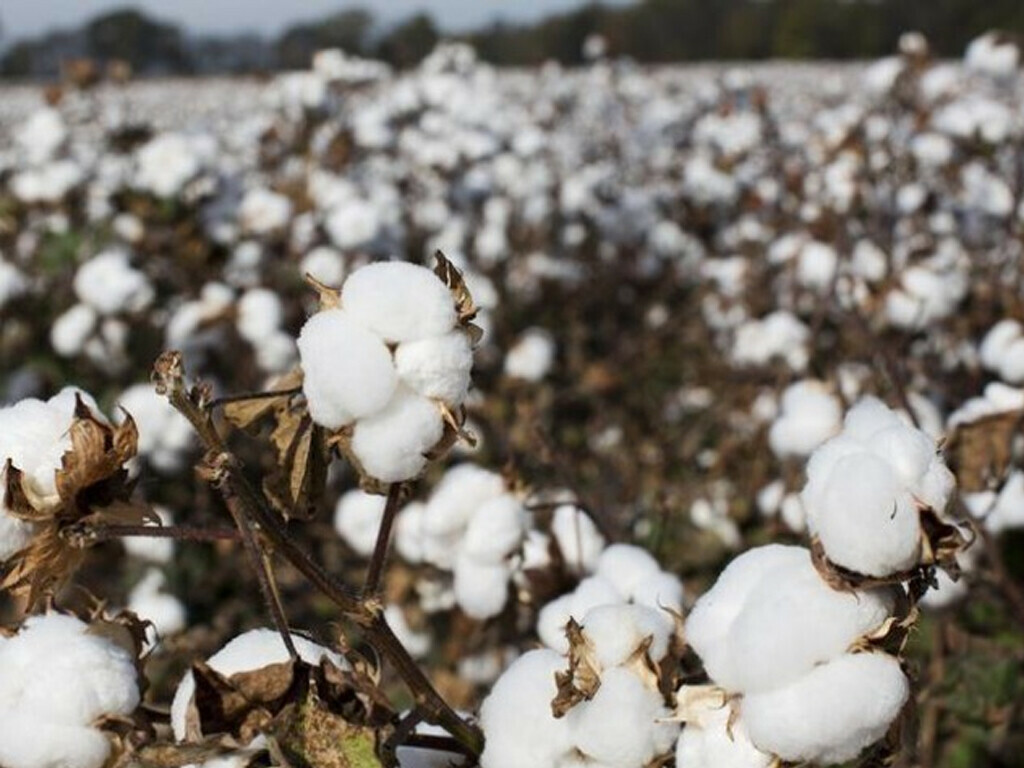
EDITORIAL: The primacy of the cotton crop to the country’s agriculture sector and the broader economy cannot be emphasised enough, given its vital role in sustaining Pakistan’s textile industry, driving exports and providing employment to millions across farming and manufacturing.
In recent years, however, despite the crop’s enduring significance, cotton production has witnessed a consistent decline, highlighting the failure to keep pace with the advancements required for the agriculture sector in general and cotton cultivation in particular.
A recently published International Labour Organisation (ILO) study titled “Mapping the cotton supply chain at the community level in Pakistan” highlights a variety of factors, including crucially the lack of focus on “human infrastructure”, that have led to the downturn in cotton production.
According to the report, which studied selected districts of Punjab and Sindh, Pakistan has approximately 1.5 million cotton farmers, with over 90 percent of the crop being grown on small farms of less than five hectares. These small landholdings have often led to inefficient land use and hindered the adoption of modern farming techniques and advanced machinery, limiting productivity and overall sectoral growth.
As has been highlighted in this space before, a key factor behind low productivity is the lack of mechanisation, with cotton-picking remaining largely manual, making the crop more susceptible to contamination, and reducing yields and quality.
Additionally, over 90 percent of Pakistan’s cotton seeds are genetically modified Bt cotton, which over the years has lost its pest-resistant quality.
While there are ongoing governmental efforts to encourage farmers to move away from Bt cotton, most small farmers lack the resources or awareness needed to transition to alternative, more productive and resilient seed varieties.
Moreover, the report underscores the challenges in accessing formal financing facilities, the use of machinery that is unsuitable for smallholder farms and women, and the lack of focus on research and development.
Crucially, there is an absence of organisations that advocate for the rights of marginalised farmers and farm workers, including women and children working in the segment, which means there is little consideration for their well-being when formulating policies related to cotton production. As a result, despite cotton cultivation accounting for 10 percent of agricultural GDP, supporting over half of the country’s foreign exchange reserves and providing livelihoods to millions, policies for this sector fail to benefit the most underprivileged farmers and farmworkers.
The segment struggles with forced and child labour on farms and throughout the supply chain in power loom and cottage industry units. Most workers the ILO surveyed in the latter category reported facing forced overtime work and termination threats for non-compliance with demands made of workers.
Moreover, with 70 percent of farmworkers and 40 percent of farmers lacking formal education, the adoption of modern farming techniques and mechanisation remains patchy.
As stressed by the ILO, therefore, there is an urgent need to strengthen the human infrastructure supporting cotton production in Pakistan. This means establishing systems, institutions and investments to enhance the development, well-being and productivity of the workforce manning the sector.
Government policies have largely overlooked critical gaps in literacy, education, skills and knowledge, constraining productivity and profitability. Consequently, many cotton farmers have shifted to more financially rewarding alternatives, such as the highly water-intensive sugarcane crop, which has had a disruptive impact on the country’s agriculture sector.
In 2004, Pakistan produced over 14 million bales of cotton. By December 31, 2024, output had dropped to just 5.5 million bales.
Reversing this trend requires a multifaceted approach that not only includes the adoption of high-quality seeds, modern agricultural techniques and increased mechanisation, but also encourages strategic investments in human capital and protects the rights of the most vulnerable stakeholders in the cotton supply chain.
Copyright Business Recorder, 2025




















Comments
Comments are closed for this article.