




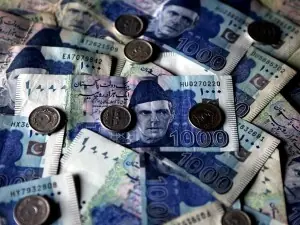
In January 2025, Pakistan’s workers’ remittances crossed $3 billion again, marking a 25.2 percent increase compared to January 2024. Cumulatively, from July 2024 to January 2025 (7MFY25), remittances amounted to $20.8 billion, reflecting a 31.7 percent year-on-year rise from the $15.8 billion recorded during the same period in the previous fiscal year. Saudi Arabia remains the top contributor, followed by the UAE, the UK, and the USA, with inflows from these regions amounting to $728.3 million, $621.7 million, $443.6 million, and $298.5 million, respectively during the Jan-25.

The steady increase in remittances can be attributed to several factors. The depreciation of the Pakistani rupee has incentivized expatriates to send more money home, as their remittances yield higher value in local currency. Additionally, rising unemployment within Pakistan has driven more individuals to seek employment opportunities overseas, particularly in Gulf countries, contributing to sustained remittance inflows. Government policies have also played a role in this surge, with measures such as streamlined remittance channels, tax exemptions, and incentives for using formal banking systems making it easier and more attractive to send money through official means. The recent spike in remittances, often linked to holiday spending and end-of-year obligations, has further supported these figures, while domestic inflation has prompted expatriates to remit more funds to help families cope with rising living costs.

While remittances serve as a crucial component of Pakistan’s economy, an overreliance on them poses significant risks. Heavy dependence on remittances can discourage policymakers from addressing fundamental economic issues, such as industrial growth and export diversification, as easy inflows create a false sense of economic stability. Moreover, remittance flows are subject to volatility, being highly sensitive to global economic conditions. A slowdown in host economies or the imposition of stricter immigration policies could substantially impact these inflows, leaving the country vulnerable to external shocks. Despite the large remittance figures, much of the money sent is spent on consumption rather than being directed into productive investments, which limits its long-term economic benefits.

To mitigate the risks associated with overdependence on remittances, the country must take steps to ensure sustainable economic growth. Diversifying the economic base by focusing on industrial growth and export expansion will reduce reliance on remittances and create more domestic employment opportunities. Encouraging expatriates to invest in productive sectors can amplify the economic impact of remittance inflows. Furthermore, investing in education and skill development will allow Pakistanis to access higher-value job markets abroad, leading to increased remittance earnings from professionals in addition to low-skilled laborers. While the recent surge in remittances is a positive economic indicator, the government must implement policies that channel these inflows into sustainable development rather than temporary relief.
















Comments
Comments are closed for this article.