


Wall Street Week Ahead: Inflation data to test market as tariff talk swirls
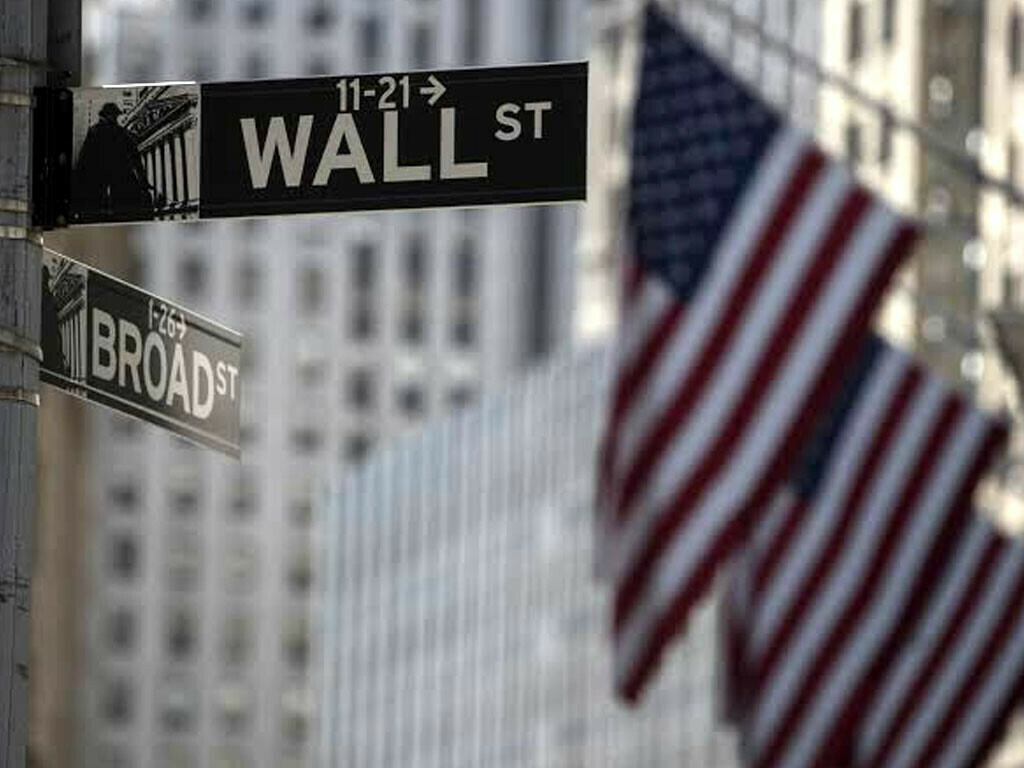

NEW YORK: A fresh look at the pace of inflation will test the US stock market in the coming week, as investors worry that President Donald Trump’s tariff plans are endangering Wall Street’s hopes for interest rate cuts this year.
The benchmark S&P 500 remained about 1% below record-high levels, even as stocks were whipsawed this week by headlines over Trump’s plans to impose tariffs on the largest US trading partners.
Tariffs are widely seen as inflationary, complicating the picture for the Federal Reserve. The central bank paused its rate-cutting cycle last month as it waits for data to give an all-clear sign to keep easing monetary policy.
The monthly consumer price index due on Wednesday offers the latest read on inflation trends, a key investor concern. A survey of over 4,000 traders published this week showed inflation and tariffs are the factors expected to have the biggest sway on markets this year.
“Inflation really is the wildcard for 2025 in terms of how it’s going to impact the interest rate environment,” said Charlie Ripley, senior investment strategist for Allianz Investment Management. “In the event that we have higher inflation, it really reduces the opportunity for the Fed to continue cutting rates, and obviously markets don’t like that.”
The January report is expected to show an 0.3% increase in CPI on a monthly basis, according to a Reuters poll.
Several Wall Street analysts warned that January is traditionally a more challenging period to forecast CPI due to seasonal factors, increasing the potential for market volatility when the data is released.
The pace of inflation has moderated from 40-year highs reached in 2022, allowing the Fed to cut rates last year, but it has not yet subsided to the central bank’s 2% annual target.
“We certainly don’t want to see (CPI) heating up again,” said Art Hogan, chief market strategist at B. Riley Wealth. “That would raise a concern that the Fed funds rate is going to be where it is for longer than we anticipate now.”
Markets are pricing in an over 80% chance that the Fed continues to hold rates steady at its next meeting in March, while roughly two cuts are expected by the end of the year, according to LSEG data.
But some investors are pulling back on expectations for further easing this year. Morgan Stanley economists this week said they now only project one cut this year, in June, as opposed to two before, saying in a note that, “the path for monetary policy in 2025 remains highly uncertain.”
The Morgan Stanley team pointed to tariff uncertainty raising the hurdle for rate cuts. Investors this week grappled with an evolving tariff backdrop, with Trump imposing and then delaying for a month tariffs on imports from Canada and Mexico, while putting in place a 10% duty on China.
Following initial news of the tariffs on Monday, the Cboe Volatility Index spiked to a one-week high of 20.42 but has since subsided to around 15.
“Early in the second Trump administration, tariff threats have revived market volatility,” Lawrence Gillum, chief fixed income strategist at LPL Financial, said in a written commentary on Thursday.
Corporate earnings reports will also be in focus in the coming week, with results due from Coca-Cola, Cisco and McDonald’s.
With over half of the S&P 500 reported, fourth-quarter earnings were on track to have climbed 12.7% from a year earlier, up from an estimate of 9.6% growth at the start of January, according to LSEG IBES.
Earnings season overall has been a positive factor for stocks despite uncertainty around tariffs, said Anthony Saglimbene, chief market strategist at Ameriprise Financial.

























Comments
Comments are closed for this article.