


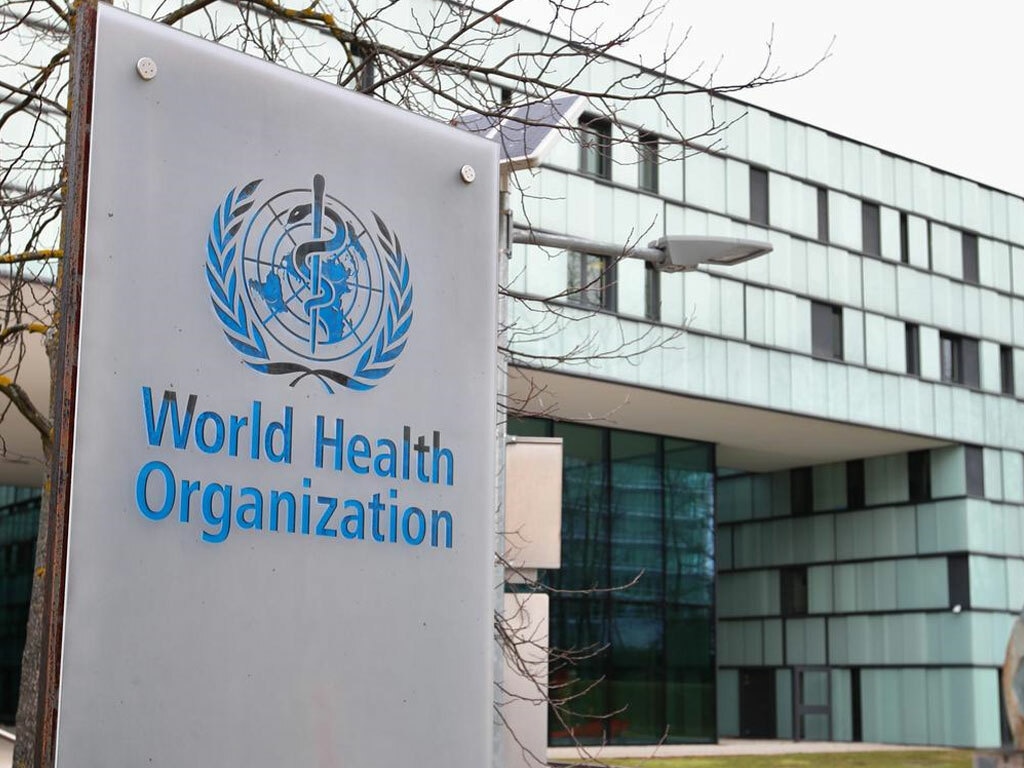
GENEVA: The Omicron coronavirus variant, reported in more than 60 countries, poses a "very high" global risk, with some evidence that it evades vaccine protection but clinical data on its severity remain limited, the World Health Organization says.
Considerable uncertainties surround Omicron, first detected last month in South Africa and Hong Kong, whose mutations may lead to higher transmissibility and more cases of COVID-19 disease, the WHO said in a technical brief issued on Sunday.
"The overall risk related to the new variant of concern Omicron remains very high for a number of reasons," it said, reiterating its first assessment.
"And second, preliminary evidence suggests potential humoral immune escape against infection and high transmission rates, which could lead to further surges with severe consequences," the WHO said, referring to the virus' potential ability to evade immunity provided by antibodies.
The WHO cited some preliminary evidence that the number of people getting reinfected with the virus has increased in South Africa.
While preliminary findings from South Africa suggest that Omicron may be less severe than the Delta variant - currently dominant worldwide - and all cases reported in the Europe region have been mild or asymptomatic, it remains unclear to what extent Omicron may be inherently less virulent, it said.
"More data are needed to understand the severity profile," it said. "Even if the severity is potentially lower than for the Delta variant, it is expected that hospitalisations will increase as a result of increasing transmission. More hospitalizations can put a burden on health systems and lead to more deaths."
Further information was expected in coming weeks, it added, noting the time lag between infections and outcomes.






















Comments
Comments are closed for this article.