


Virus could raise vote-buying risk in Bulgaria election: report
- The coronavirus pandemic however quelled the massive rallies and Borisov's Gerb party is projected to emerge as the largest single force.
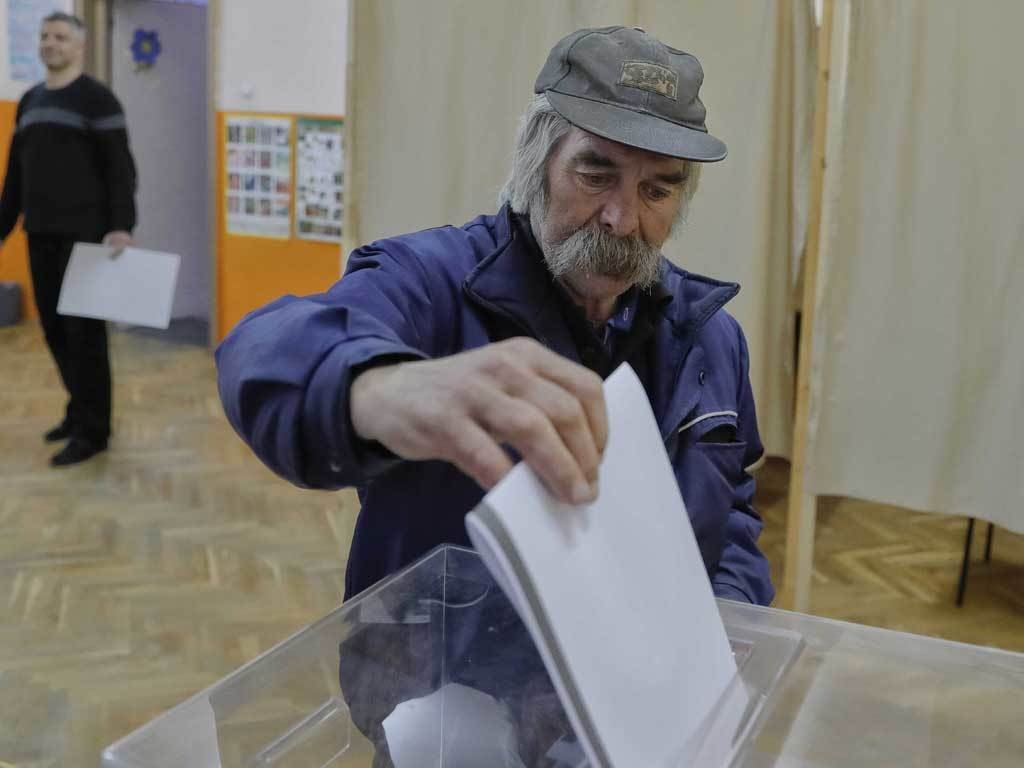

SOFIA: The coronavirus pandemic could affect the outcome of Bulgaria's upcoming election as vote-buying -- already widespread in the country -- will have more impact, a report by an anti-corruption organisation has warned.
Between five and 19 percent of the ballots cast in Bulgarian elections since 2013 have been influenced by vote-buying or other voter intimidation practices, the Anti-Corruption Fund non-governmental organisation said late Monday.
It said there was a greater risk these practices could affect the overall result in Sunday's general election in the EU country as "the bought or controlled voters will be less sensitive to pandemic risks" and more motivated to cast their ballots.
Meanwhile, other eligible voters would be more likely to abstain over fears of infection, it said.
"There is almost no party that has not benefited from vote-buying," study chief and criminologist Maria Karayotova said.
Based on estimates from general elections in 2013, 2014 and 2017 as well as local elections, the study concludes that between 170,000 and 690,000 (five to 19 percent) of the votes in each election were cast in return for some payment from a political party or pressure from an employer.
The study's findings result from an analysis of constituencies with a high number of invalid ballots, suggesting voter confusion, or where there were sharp changes in voter turnout or results.
For example, the northwestern village of Galiche swung sharply to back the Socialists in 2017 after having largely supported the Turkish minority MRF party in 2014.
"If in the past vote-buying was practised mainly in marginalised communities, recently it is observed in other groups, for example students," Tihomir Bezlov from the Sofia-based think tank Centre for the Study of Democracy commented.
While in the 1990s voters were most often offered food to cast a ballot for a certain party, the price of one vote reached 50 leva (25 euros) in 2013 and can go up to several hundred.
Famous Bulgarian boxer Kubrat Pulev felt moved to speak out on the issue this week, saying on his social media: "Dear fellow citizens, don't sell your vote."
Bulgarian law obliges political parties to put a caption on all their election posters and flyers that says "Vote-buying and vote-selling is a crime" but this has proved to be scant deterrent.
Sunday's election follows months of anti-government street protests last year demanding the resignation of Prime Minister Boyko Borisov's cabinet.
The coronavirus pandemic however quelled the massive rallies and Borisov's Gerb party is projected to emerge as the largest single force.














Comments
Comments are closed for this article.