


Chinese-linked lenders targeting Indian working class, earning billions
- Indian authorities believe that a new breed of lender, with ties to China, has been preying on the working-class and rural populace in the country, especially those who have been impacted by the pandemic.
- The police in Hyderabad have tracked approximately $3 billion in transactions.
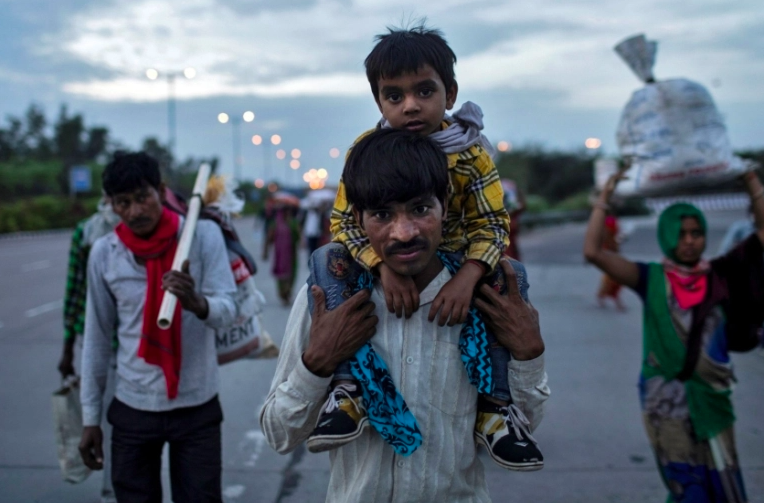

Indian authorities believe that a new breed of lender, with ties to China, has been preying on the working-class and rural populace in the country, especially those who have been impacted by the pandemic.
The police in Hyderabad have tracked approximately $3 billion in transactions.
Furthermore, these lenders do not require formal credit scores or bank verifications, but charge increasingly high interest payments over a brief period of time; using the personal information of their borrower to harass and bully them into persuasion.
These lenders often bombard borrowers (and even their social circles) with threats and even fabricated legal documents threatening dire consequences for failing to repay the loans - driving many towards suicide.
One police investigation in Hyderabad revealed nearly 14 million transactions across the country, worth up to $3 billion, over the past six months - prompting the Indian Central Bank to lodge a formal investigation.
“It is becoming difficult for us to count the zeros,” according to Avinash Mohanty, the joint commissioner of police in Hyderabad, as the police attribute five suicides in the city to these lenders.
Nearly 100 loan apps have been removed from the Google platform, according to the Indian government.
These loan apps emerged at a desperate time, as the Indian government enacted a tough, two-month lockdown a year ago to contain the virus, plunging the country into a deep recession.
Subsequently, millions were thrown out of work, and traditional forms of reliable lending, like banks and micro-lenders, were temporarily closed.
With names like Money Now, First Cash, Super Cash and Cool Cash, these apps appeared on Google’s app store in India, and with a few taps on a phone and a fresh selfie, a borrower could get the funds needed for a doctor’s appointment, for restocking the kitchen or for paying a child’s school fees - necessary expenses for struggling families.
Repayment could be done as quickly as in a week's time, as these lenders often added interest fees amounting to over one-third of the loan, which meant that borrowers would already owe more than they originally received. To get the money, borrowers had to surrender their personal information.
Some of the companies have connections to China, and so far, at least four Chinese nationals have been arrested according to the police.
The police also revealed that a large number of these apps were hosted on Chinese cloud services, and used Chinese software development tools.
The police have frozen bank accounts with about $40 million as of yet, but the money trail often leads to shell companies, networks used for money laundering or cryptocurrencies, which are difficult for governments to track.
















Comments
Comments are closed for this article.