


Brazil govt concerned about rains disrupting second corn crop
- Speaking at an online event organized by a bank, Dias reiterated the government's plan to increase Brazil's overall food production in a bid to boost internal supplies and rein in food price inflation.
- "It is my perception that perhaps agriculture commodities prices will take another leap," she said.
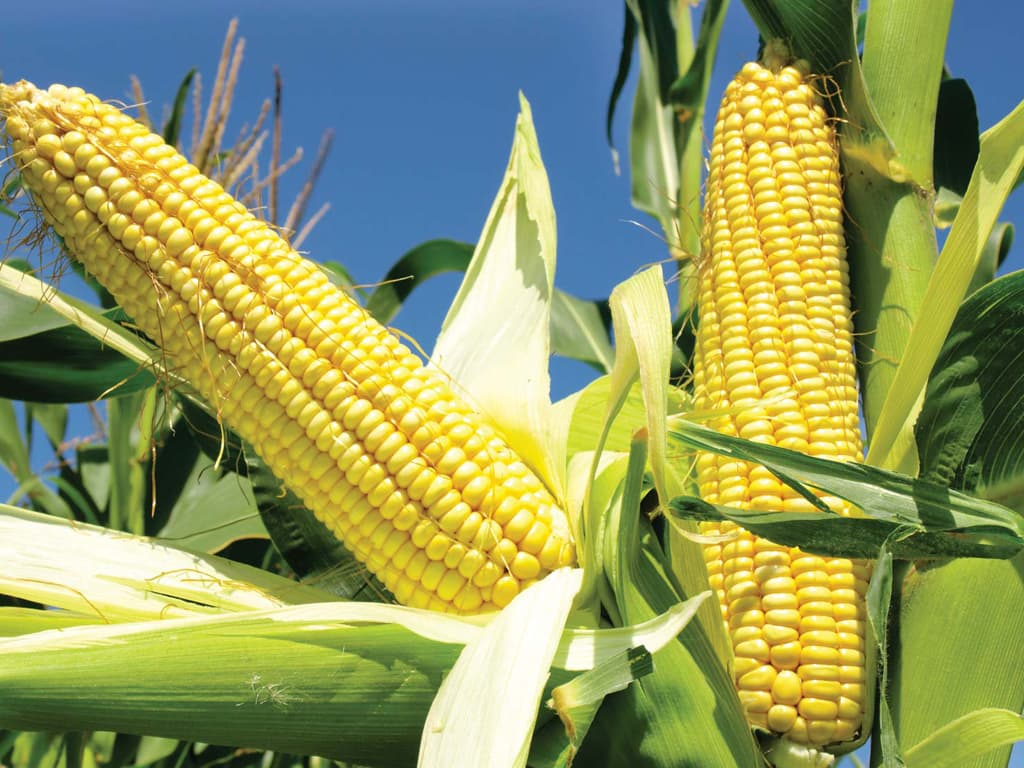

SAO PAULO: Brazil's government is concerned that heavy rains in the country are disrupting the planting of the second crop of corn, Agriculture Minister Tereza Cristina Dias said on Friday, adding that tight corn supplies are already a concern for meatpackers.
Downpours in states like Mato Grosso have slowed the harvesting of soybeans and the subsequent sowing of the second corn crop, which is now being planted outside the ideal climate window. Brazil's second corn crop, which is cultivated after soybeans are harvested in the same areas, will represent around 80% of the country's total output this season.
Speaking at an online event organized by a bank, Dias reiterated the government's plan to increase Brazil's overall food production in a bid to boost internal supplies and rein in food price inflation.
"It is my perception that perhaps agriculture commodities prices will take another leap," she said.
Corn and soybeans are used to make livestock feed and are in high demand in Brazil, Dias noted, as it is home to some of the world's largest meatpackers. Increasing corn production would allow farmers to cater to growing internal and export demand, she said.
China, which is rebuilding its pork herd after a deadly pig disease in 2018, will likely import an estimated 25 million tonnes of corn this year, Dias said. That compares with 7.6 million tonnes in the 2019/2020 marketing year, according to the US Department of Agriculture.
China is already Brazil's biggest soybean buyer, and analysts believe it may turn to Brazil for additional corn supplies.
Dias also noted that the trade deal between the European Union and the South American trade bloc Mercosur was under revision, adding that she was confident it would ultimately be approved in spite of opposition from countries like France, which is influenced by a strong farm lobby.

















Comments
Comments are closed for this article.