


Greek government bond yield lowest since 2012 debt restructuring

 LONDON: Greek government borrowing costs hit their lowest level in more than five years on Wednesday as Athens looked set to clinch vital bailout loans from its international lenders.
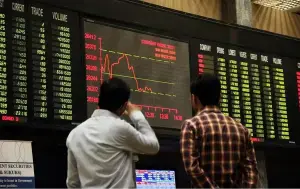
The yield on Greece's 10-year bond -- an indication of the cost for the government to raise long-term cash in financial markets -- hit its lowest level since the country's debt was restructured in March 2012, according to Tradeweb data.
Analysts said optimism over the prospects for Greece unlocking the cash it needs to make big debt repayments this summer has even given rise to expectations that it may soon end a near three-year exile from bond markets.
Greece's finance minister and central bank governor are scheduled to speak in Germany next week about Athens' prospects for returning to markets, although European officials have previously said this will not be until mid-2018.
"There is a relief that Greece will get its disbursements to get through the summer, and that is the main driver of the bond rally," ING's senior rates strategist Martin van Vliet said.
"The Greek government is making the point that they can return to the markets now and maybe I would give them a chance but the way things are now it's going to be difficult."
Greek bonds are prone to volatile price moves and trading volumes are low compared to other euro zone markets because the junk-rated debt is not widely held by international investors.
A Greek government bond maturing in February 2027, part of a strip of long-term bonds that emerged from the debt restructuring, plumbed a new low of 5.616 percent on Wednesday, having hit 5.633 percent on Tuesday.
Other Greek yields were the lowest since at least 2014.
After six months of tense talks, Athens and its international lenders -- the European Union and International Monetary Fund -- reached a provisional deal last week on the reforms needed to release new loans to the country.
The Eurogroup of finance ministers should approve the deal at a meeting on May 22, provided the reforms are passed by Greece's parliament, which is expected.
Athens also wants its lenders to agree on a formula to make its debt sustainable in the longer term, so it can qualify for the European Central Bank's bond-buying scheme and return to debt markets.
But one of the big uncertainties in these negotiations is whether the IMF - which says Greek debt is unsustainable - will take part in the financing of its current, third bailout.
Slovakia's finance minister Peter Kazimir said on Wednesday that the IMF looks likely to take part but that the euro zone would only consider debt relief for Greece after 2018.
Many analysts say discussions on debt relief are unlikely to progress until after September's national election in Germany, the EU's largest economy and paymaster.

















Comments
Comments are closed for this article.