



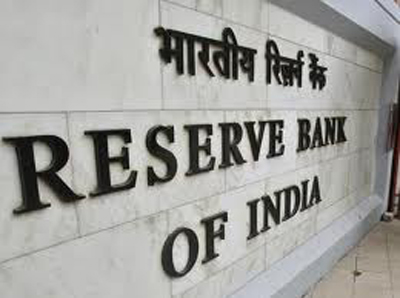
 MUMBAI: India's central bank intervened to steady the rupee as it neared a record low on Thursday due to broad strength in the U.S. dollar, capital outflows from emerging markets, and worries about India's demonetisation drive.
The rupee has fallen around 3 percent so far this month, its biggest fall against the dollar since August 2015, though it has fared better than many other emerging market currencies have done since Donald Trump's shock win in the U.S. presidential election.
Traders spotted the Reserve Bank of India intervening when the rupee fell to around 68.83 per dollar and more heavily later in the morning, sending the rupee sharply higher to 68.74. The central bank likely sold around $500 million so far in the morning, the traders said.
At its weakest, the rupee reached 68.8375, putting it within sight of the all-time low of 68.85 that was struck in 2013.
Back then, pressure on the current account plunged India into its worst currency crisis in more than two decades, but this time India is seen as being far better positioned to resist outflows from investors attracted by higher U.S. interest rates.
Expecations that President-elect Trump will pursue an expansionary fiscal policy that will drive inflation higher and lead to higher U.S. interest rates, are behind rising U.S. yields that have attracted investors to the dollar.
Although foreign investors are pulling money away from Indian bonds, analysts say India's strong economic growth should sustain investor interest in equities, while foreign exchange reserves are at a near record high while inflation remains low.
There are worries, however, that Prime Minister Narendra Modi's shock move this month to ditch higher-denominated banknotes could dent the growth rate.
India is also still seeing outflows tied to the redemptions of dollar deposits, or foreign currency non-resident accounts (FCNR), that were raised from Indians living abroad to help pull the rupee out its crisis three years ago.
"The rupee is weakening due to a combination of three factors - dollar strength globally, FCNR outflows and the impact of demonetisation on GDP," said a trader at a domestic bank.
There are fears that Prime Minister Narendra Modi's shock move to remove 500 and 1,000 rupees notes from circulation will dent consumer demand and economic growth in the near-term.


















Comments
Comments are closed for this article.