



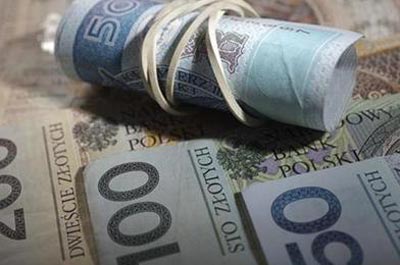
 WARSAW: Central European currencies were mostly stable on Wednesday, with the zloty staying close to a four-month high versus the euro, reached on rising expectations there will be no more monetary easing in Poland.
By 1018 the zloty traded at 4.16 to the euro.
"The zloty has remained resilient to a global deterioration in sentiment," BZ WBK bank said, adding that it expected the zloty to remain stable during the session.
Poland kept its benchmark interest rates flat at 2 percent at a policy meeting last week, sticking to its stance that it will only resume rate cuts if there is a weakening of economic growth, even though consumer prices are falling.
Economic growth has been improving and most analysts polled by Reuters expect no more monetary easing in Poland over the coming quarters.
Analysts are awaiting Polish inflation data for November, due on Monday. Analysts polled by Reuters expect consumer prices to have fallen by an annual 0.4 percent last month, after a 0.6 percent drop in October.
Polish bond yields rose slightly on Wednesday, with dealers saying investors were starting to trim their positions ahead of year-end.
The Hungarian forint fell slightly against the euro, but remained within its trading range from previous days.
Hungary, the region's most indebted economy, has slightly higher interest rates than Poland, with its benchmark rate at 2.1 percent.
"We believe that the Hungarian government would like to see a stronger exchange rate for debt-ratio reporting reasons at the end of the year, and the central bank may use verbal or other intervention in that direction," said Tathagata Ghose, a London-based analyst at Commerzbank.
"After that period is over, you would expect the forint to weaken to 310," he added.
Elsewhere, the Czech 10-year treasury bonds stayed close to their all-time low hit on Tuesday, a move driven by low inflation and low supply levels.


























Comments
Comments are closed for this article.