



 SINGAPORE: Most emerging Asian currencies rose on Thursday as the dollar broadly eased, while investors stayed cautious ahead of the European Central Bank's policy meeting later in the day.
The yuan hit a nearly six-month high as China's central bank set midpoint firmer and on some hopes of positive August trade data.
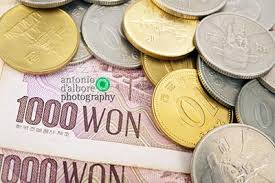
The South Korean won gained on exporters' demand for settlements and continuous foreign buying of shares by foreign investors. The Taiwan dollar tracked the won.
Thailand's baht advanced as consumer confidence rose for a fourth consecutive month. The Malaysian ringgit advanced as investors covered short positions and on demand linked daily fixing.
The dollar on Wednesday fell against a basket of major currencies with the euro rebounding on news of a ceasefire plan in eastern Ukraine.
Investors, however, hesitated to add optimistic bets on emerging Asian currencies on uncertainty over whether the ECB will actually ease monetary policy further or simply lay the groundwork to act later.
The ECB is under strong pressure to tackle stubbornly low inflation at a time when the conflict in Ukraine threatens to destabilise the region's fragile recovery.
More accommodative policy could boost capital inflows to Asia as it would allow investors to borrow euros cheaply to then invest in high-yielding emerging markets.
Still, emerging Asian currencies have reflected expectations of further easing by the ECB with most of regional units up in August, traders and analysts said.
Unless the central bank delivers a fresh accommodative policy, emerging Asian currencies are unlikely to rise much further, they added.
"Dovish comments are pretty much expected, hence the impact on Asian markets may be limited," said Frances Cheung, head of Asian rates strategy at Credit Agricole CIB in Hong Kong, when asked if regional currencies could strengthen only without actual easing.
WON
The won gained as exporters bought it for settlements ahead of holidays next week to mark Chusok, the Full Moon Festival.
Foreign investors were set to extend their buying spree in Seoul's' main stock market to an eight straight session.
They have bought a combined net 677.7 billion won ($666.2 million) worth of shares during the period, the Korea Exchange data showed.
TAIWAN DOLLAR
The Taiwan dollar rose from the previous close, which traders said the central bank weakened through usual last minute intervention.
A strong won also helped the Taiwan dollar, traders said.
Domestic importers, however, bought the US dollar for payments, limiting the Taiwan dollar's upside, traders said.

























Comments
Comments are closed for this article.