



 SINGAPORE: Most emerging Asian currencies rose on Thursday, underpinned by improved Chinese factory activity and after the Federal Reserve signalled it would not raise interest rates any time soon.
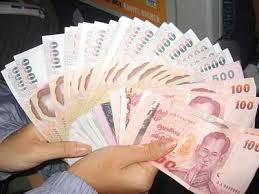
The Thai baht gained as investors covered short positions on hopes of an end to a prolonged political crisis some economists fear could push the country into recession.
But investors have piled up the most bearish short bets on the baht in three months, according to a Reuters poll. The country's political crisis intensified this week after Thailand's army imposed martial law on Tuesday.
An unexpected contraction in French business activity in May was also seen as supportive for emerging Asian currencies, as it raised the possibility of easing by the European Central Bank.
"If the ECB cuts, more European money will come to Asia," said a senior Malaysian bank trader in Kuala Lumpur.
The ECB will cut what little it has left of its main interest rate and push the deposit rate below zero in an attempt to stop the euro from rising and inflation from easing any further, a Reuters poll showed.
Emerging Asian currencies have been benefiting as accommodative policies by major central banks led investors to seek higher yields.
The minutes of the Fed's April meeting showed on Wednesday there was no sign of a rate hike soon, though policy makers had started laying the groundwork for an eventual exit from their easy stance.
The South Korean won rose on demand from exporters and continuous stock inflows, while caution increased over possible intervention by the foreign exchange authorities to stem its strength.
Malaysia's ringgit hit its strongest in near six months as offshore hedge funds bought non-deliverable forwards .
Some investors bought the Malaysian currency against the Singapore dollar.
The peso advanced as Philippine shares rose 1 percent. The 10-year government bond yield fell to 4.160 percent, the lowest since March 18.




















Comments
Comments are closed for this article.