



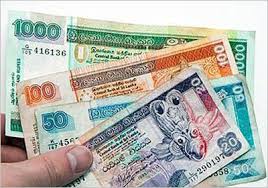
 COLOMBO: The Sri Lankan rupee traded firmer on Friday on dollar inflows from stock-related transactions amid dried-up importer demand for the greenback, with dealers expecting the rise to continue due to steady inflows.
The rupee was at 130.34/37 per dollar at 0609 GMT firmer, up from Tuesday's close of 130.37/42. Both the currency and the stock markets were closed on both Wednesday and Thursday for public holidays.
"It (the rupee) is firmer due to the impact of the recent stock-related inflows," said a currency dealer. "There is not much import demand also." Central bank Governor Ajith Nivard Cabraal told Reuters on May 9 that the central bank has been "giving effect to the present trend in a gradual manner".
Steady inflows from remittances and exporter conversions amid lack of importer dollar demand led to the local currency's appreciation, dealers said.
They expect the rupee to face upward pressure until credit growth and imports reverse their trends.
Despite a multi-year low interest rate regime, data showed private sector credit grew 4.4 percent in February from a year earlier, the slowest expansion since May 2010, while imports in February fell 6.2 percent on year.
Dealers said lack of credit growth and a contraction in imports could hit the economy unless the government props up expansion through infrastructure funding.
The central bank, in its monetary policy statement last month, however, expressed confidence that private sector credit growth would rebound in the second quarter and push up the pace of economic growth.
The currency has hovered between 130.55 and 130.70 since March 3 through May 8, Thomson Reuters data showed, with the central bank intervening to smoothen any sharp volatility.
Sri Lanka's main stock index was up 0.16 percent, or 10.14 points, at 6,295.10 as of 0615 GMT led by large caps.
Turnover was at 1.32 billion rupees ($10.13 million), with 13.1 million shares changing hands. Stockbrokers said many investors have been compelled to return to the market due to multi-year low interest rates, which have made fixed-income assets less attractive.




















Comments
Comments are closed for this article.