


Arab Spring aftermath batters Mideast tourism

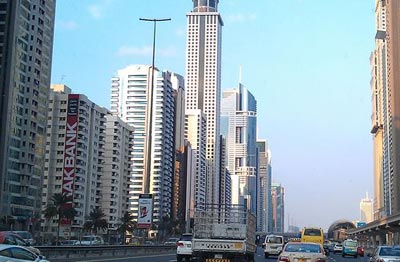 DUBAI: The revolts that began in Tunisia at the end of 2010 and spread across the Middle East and North Africa had a devastating impact on tourism, but not everyone in the region lost out.
While recovery from the turmoil has been at best tentative, at worst non existent, places where the Arab Spring has not reached have been unexpected beneficiaries.
The smattering of tourists at the pyramids outside Cairo is almost outnumbered these days by souvenir sellers as a continuing political crisis overshadows Egypt's new democracy.
Further east, meanwhile, the lobbies of the grandiose Atlantis resort on Dubai's artificially created Palm archipelago are packed with visitors.
Worries over possible militant attacks or a regional conflict involving Iran deter some, particularly Americans, but many others say they feel secure in Dubai in a way they would not elsewhere in the region.
"It's wonderful and it feels very safe," said John Macleanan, 69, a retired engineer from Australia's Sunshine Coast visiting Dubai for the first time. "I could live here, although I don't know that I could afford the accommodation."
Even as visitors abandoned much of the Middle East in 2011, dealing a severe blow to countries like Egypt, 10 percent more of them headed for Dubai's beaches and shopping malls.
Cushioned from pro-democracy protests by wealth and a small indigenous population, Dubai has used its Emirates airline and strategic location midway between Europe, Africa and Asia to persuade transit passengers to spend at least a couple of days.
The emirate reported more than 5 million visitors in the first half of 2012, the latest available figures show.
There is no breakdown between tourists, business visitors and transit passengers, but hotel occupancy rates regularly exceed 75 percent and more rooms are being built, a stark contrast to 2009 when Dubai teetered on the brink of bankruptcy.
"Dubai is back, there's no doubt about it," says one Western diplomat on condition of anonymity. "And it's not just back, it's clearly benefiting from the chaos elsewhere in the region."





















Comments
Comments are closed for this article.