


Power sector arrears: Upstream supplies at risk as recoveries surge to Rs169.27bn: SNGPL

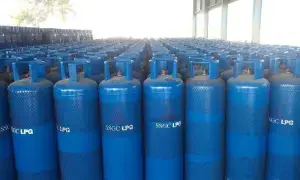
ISLAMABAD: Sui Northern Gas Pipelines Limited (SNGPL) has reported outstanding dues of Rs169.27 billion against the power sector, warning that mounting arrears have triggered a severe financial crisis and impaired its ability to meet commitments towards upstream gas suppliers.
In a letter , addressed to the Chief Executive Officer of Central Power Purchasing Agency-Guarantee (CPPA-G), SNGPL has sought urgent resolution of the outstanding payments, warning that continued financial constraints could lead to an international default by Pakistan State Oil (PSO) and Pakistan LNG Limited (PLL) against RLNG supplies.
According to the company, the outstanding amount against WAPDA, independent power producers (IPPs) and gas-based power plants (GPPs) has reached Rs169,270 million, comprising gas charges, RLNG tariff actualisation, take-or-pay liabilities, Gas Infrastructure Development Cess (GIDC) and late payment surcharge (LPS).
The consumer-wise breakdown shows that GPPs account for the largest share of outstanding liabilities at Rs67.268 billion, followed by WAPDA power plants with Rs63.548 billion and IPPs with Rs38.454 billion.
Also read: SNGPL faces serious liquidity crunch amid delay in release of Rs174bn
The dues against WAPDA power plants include Rs37.959 billion against Guddu Power, Rs21.395 billion against Nandipur, Rs1.491 billion against TPS Muzaffargarh, Rs2.346 billion against GTPS Faisalabad, Rs214 million against GTPS Shahdara, Rs86 million against SPS Faisalabad and Rs57 million against NGPS Multan.
Among IPPs, Liberty Power has outstanding liabilities of Rs22.642 billion, followed by Orient Power with Rs3.242 billion, Sapphire Power with Rs2.339 billion, Saif Power with Rs2.353 billion, KAPCO with Rs5.085 billion, FKPCL with Rs1.370 billion, Halmore Power with Rs1.316 billion, Engro Energy with Rs59 million and Davis Energen with Rs88 million.
The arrears against gas-based power plants include Rs30.062 billion against QATPL, Rs22.701 billion against NPPMC (Baloki), Rs12.476 billion against NPPMC (HBS) and Rs2.029 billion against PTPL.
SNGPL has maintained that the outstanding amount has accumulated to an alarming level, creating serious liquidity problems for the company and adversely affecting its financial sustainability.
The company has also approached the Director General Gas, Petroleum Division, seeking intervention for early release of funds to enable power sector consumers to discharge their liabilities towards SNGPL.
In a separate communication, SNGPL informed the Director General Gas that the outstanding dues had accumulated either because of lesser release of funds by CPPA-G to the power sector or non-payment by the respective power plants.
The company has requested the Petroleum Division to take up the matter with Power Division for early settlement of outstanding liabilities.
SNGPL has also highlighted that Rs277 million is outstanding against disconnected WAPDA rented power units Bhikki and Sharaqpur, while Rs88 million is payable by disconnected IPP Davis Energen.
In another letter dated October 8, 2026, addressed to the Chief Executive Officer of NPGCL, TPS Muzaffargarh, SNGPL demanded payment of Rs25.006 billion outstanding against various power sector consumers, including Nandipur, TPS Muzaffargarh, GTPS Faisalabad, GTPS Shahdara, SPS Faisalabad and NGPS Multan.
The company warned that prolonged delays in payment had badly affected its liquidity position and constrained its ability to fulfil commitments, including payments to upstream gas suppliers.
SNGPL has urged power sector entities to clear overdue amounts immediately, warning that it may exercise contractual rights for recovery in case of continued non-payment.
The correspondence underscores growing financial pressure on the gas supply chain, as accumulated power-sector liabilities threaten the ability of gas utilities to meet their obligations to suppliers and maintain financial stability.
The company has stressed that the matter requires priority intervention by the concerned ministries and CPPA-G to prevent further deterioration of the financial position and avert potential disruptions in the payment chain for imported RLNG.
Copyright Business Recorder, 2026












Comments