


Taiwan shares rally as state supports; S Korean equities extend loss
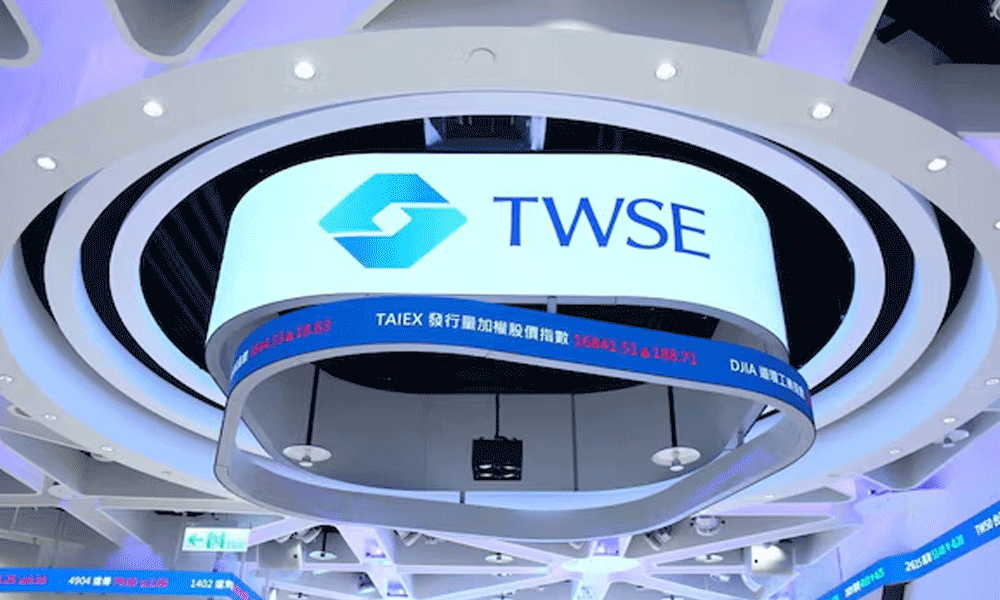
BENGALURU: Taiwan stocks rallied on Monday after the government activated its stock stabilisation fund following an AI-linked selloff last week that wiped out trillions of dollars from global markets.
The benchmark stock index closed up 4.9 percent, after recording its worst weekly decline since 2001 on Friday. TSMC, the world’s top contract chipmaker, rallied as much as 7.3 percent.
The rebound is far from convincing, analysts said, as investors digest the implications of a Democratic victory in the US midterms, which added to concerns about AI investments and infrastructure.
“The (Taiwanese) government has stepped in with the stabilisation fund and short-selling curbs, and some dip buyers are coming in early,” said Anna Wu, founder of Floodlines Research.
Taiwan authorised its USD15 billion National Financial Stabilization Fund, deployed during times of crisis, on Friday to support the market, while its economy ministry said demand for AI is expected to continue expanding.
Reuters could not establish how much of the fund was used to support the market.
In South Korea, the benchmark Kospi ended 0.8 percent lower, extending the nearly 12 percent loss from last week. The Kospi is down over 46 percent from its record high hit in June.
Among largely subdued Asian currencies, the South Korean won strengthened the most, gaining over 1 percent to 1,347.40 per US dollar.
The US dollar firmed after surging by the most in nearly six months on Friday after strong US jobs data pushed up bets for higher interest rates.
Philippine assets came under pressure after domestic data showed economic growth slowed for a fifth consecutive quarter.
The Bangko Sentral ng Pilipinas has raised interest rates by 125 basis points since April, including a larger-than-expected 50-bp increase last month, as it seeks to tame inflation despite slowing growth.
Indonesian stocks rose roughly 0.8 percent ahead of MSCI’s November index review this week, though gains were tempered by concerns over the country’s continued inclusion in the index provider’s emerging-market benchmarks.


















Comments