


South African rand firms on softer oil; coalition talks in focus
- The rand traded at 16.4875 against the dollar , up about 0.4% from its previous close
The South African rand strengthened as softer oil prices eased inflation concerns, while investors assessed municipal election outcomes and ongoing coalition talks, which pose risks for the currency.
- Impact of global oil prices on South Africa's economy and currency.
- Outcomes of municipal elections and their effect on coalition negotiations.
- Factors influencing the rand's performance and future risks.
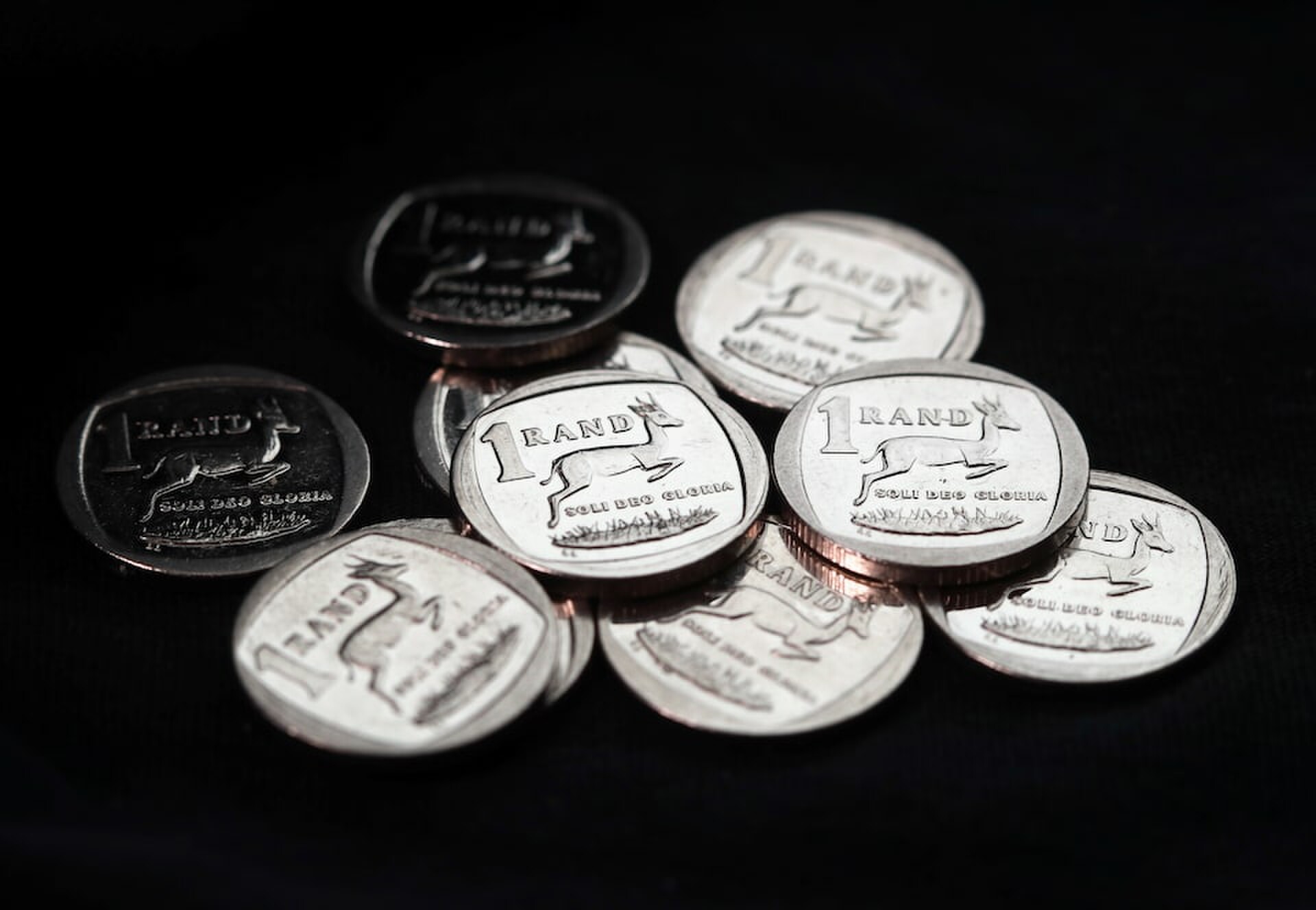
JOHANNESBURG: The South African rand strengthened in early trade on Monday as softer oil prices helped ease inflation concerns, while investors assessed the outcome of local municipal elections and coalition talks.
At 0642 GMT, the rand traded at 16.4875 against the dollar , up about 0.4% from its previous close.
Oil prices steadied on Monday after US President Donald Trump suggested new attacks on Iran were unlikely, but supply concerns lingered as vessels near the Strait of Hormuz came under attack.
As a net importer of fuel, South Africa is highly exposed to global oil price movements, meaning sustained increases in crude prices can raise domestic fuel costs, stoke inflation and add pressure on the rand.
South Africa’s African National Congress (ANC) suffered a significant setback in last week’s municipal elections, according to results released on Sunday, weakening its position in coalition negotiations to form city governments.
“Looking ahead to the coming week, the balance of risks remains tilted against the ZAR. Investors will continue to focus on offshore equity market developments as a barometer of risk appetite, while coalition negotiations will serve as a reminder that, although the ANC lost ground, SA’s municipal and metropolitan political landscape will remain difficult to manage,” said ETM Analytics.
South Africa’s benchmark 2035 government bond was flat in early deals, with the yield at 8.3%.



















Comments