



KARACHI: WWF-Pakistan and the State Bank of Pakistan (SBP) have launched the SME Green Transition Toolkit for the Textile Sector, designed to help financial institutions support textile businesses in adopting cleaner, more resource-efficient operations.
Developed jointly by SBP’s SME, Housing & Sustainable Finance Department and WWF-Pakistan, the toolkit translates the Pakistan Green Taxonomy (PGT) into a practical approach that banks can apply when working with textile clients.
It will enable financial institutions to assess Weighted Average Carbon Intensity (WACI) and Specific Energy Consumption (SEC), identify appropriate green interventions such as solar, waste heat recovery and fuel switching, and develop viable financing plans through an accompanying Excel-based tool.
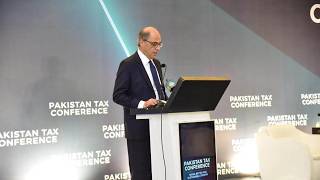
Speaking at the event, Saleem Ullah Deputy Governor SBP said that textile is Pakistan’s largest export sector, and SMEs are integral to it, both directly and through the value chains of larger businesses. Their ability to meet sustainability standards will shape its competitiveness, he added.
He said that by improving energy efficiency, reducing water use and adopting cleaner production, SMEs can lower costs, retain market access and build financial resilience.
“For banks, whose largest sectoral exposure is textile, this green transition is key to safeguarding portfolio quality”, Saleem Ullah said and added that the SME Green Transition Toolkit offers a practical starting point for linking these environmental improvements with business competitiveness and viable financing opportunities”.
Director General WWF-Pakistan, Hammad Naqi Khan said that the launch of the SME Green Transition Toolkit reflects an excellent partnership between WWF-Pakistan and the SBP and shows what a regulator and a conservation organisation can achieve together.
“Our next step is to move from framework to financing: with SBP, banks and development partners, we will explore a Green Textile Transition Finance Facility, using concessional credit and risk-sharing to turn the Pakistan Green Taxonomy into real loans for textile SMEs and reaching upstream to sustainable cotton,” he added.
The toolkit provides banks and other financial institutions with a common methodology for integrating taxonomy-aligned assessments into textile-sector lending. By connecting environmental performance with practical financing pathways, the initiative aims to support the textile sector’s competitiveness in international markets while contributing to Pakistan’s broader climate and sustainable finance objectives.
The launch brought together representatives from government, the financial sector and development partners, and included a technical walkthrough of the toolkit. Following the launch, banks are expected to begin piloting the toolkit with textile clients, with further guidance and training planned to support wider adoption across the sector.
Copyright Business Recorder, 2026


















Comments