


Industrial growth: Pakistan, UNIDO agree to explore new avenues
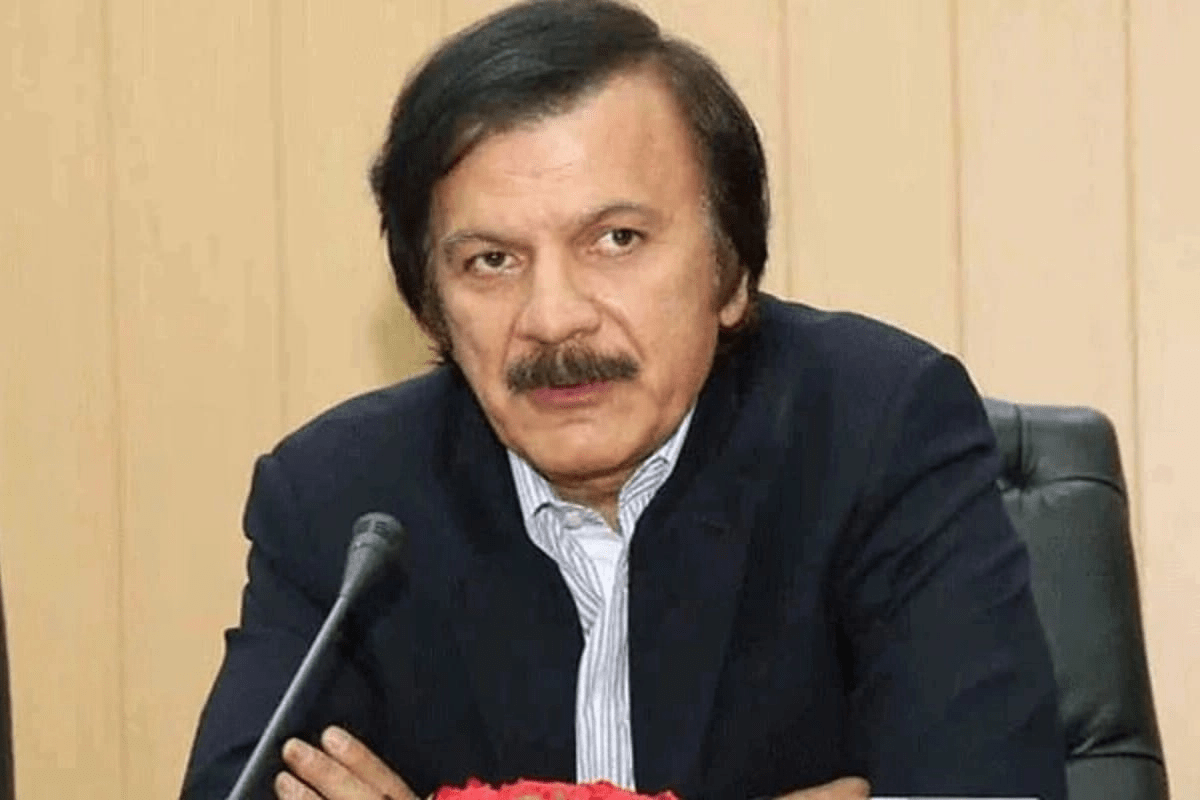
ISLAMABAD: Pakistan and the United Nations Industrial Development Organization (UNIDO) have agreed to explore new avenues to spur industrial growth, promote green energy and enhance technology cooperation.
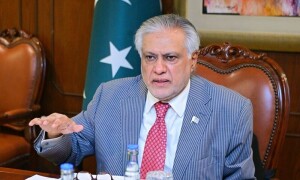
During a meeting between Adviser to the Prime Minister for Industries and Production, Haroon Akhtar Khan and a delegation of the UNIDO here on Monday, both the sides discussed industrial development, international cooperation, climate change, energy, competitiveness and productivity enhancement related matters.
The advisor highlighted the government of Pakistan’s vision for transforming Pakistan into a strong, export-oriented industrial economy through sustainable industrialization, technological advancement and economic self-reliance.
Pakistan is moving towards industrial growth, economic stability and the adoption of modern technologies, Haroon Akhtar said and emphasized that the country’s large youth population represents a significant national asset, but sustainable economic progress and employment generation cannot be achieved without industrialization.
The Adviser noted that Pakistan’s first-ever National Industrial Policy has been formulated to provide a strategic direction for industrial growth, enhance productivity and strengthen the country’s economic foundations. He emphasized that addressing the trade deficit requires export-led economic growth alongside the promotion of import substitution and local manufacturing.
Haroon Akhtar said that Pakistan possesses considerable untapped potential in both industry and agriculture. He stressed the need to utilise the country’s natural resources more effectively, develop value-added industries and strengthen domestic production to create employment opportunities and improve export competitiveness.
Highlighting the challenges posed by climate change, he said that its adverse effects were significantly impacting Pakistan’s agricultural output and industrial production. He underlined the importance of international cooperation, sustainable energy solutions and climate-resilient industrial development.
The Adviser also highlighted Pakistan’s natural resource potential, particularly in gemstones and other valuable minerals. He noted that industrial opportunities were expanding across diverse sectors, ranging from olive oil production to gemstone processing, and emphasised the need to develop local value chains to maximise economic returns from the country’s resources.
Discussing the transition towards cleaner transportation, Haroon Akhtar Khan said that Pakistan was witnessing significant progress in the electric vehicle sector. He noted that the New Energy Vehicle Policy had already been introduced and that efforts were underway to accelerate the adoption of electric vehicles and expand charging infrastructure across the country.
He further stated that the promotion of solar energy had opened new opportunities for rural communities and the agricultural sector. In this regard, he highlighted the proposed Battery Energy Storage System Policy, which would support the development of local manufacturing capabilities for electric vehicle batteries and strengthen Pakistan’s domestic industrial base.
Haroon Akhtar emphasized that UNIDO had and could play a more important role in supporting Pakistan’s industrial transformation through technical cooperation, technology transfer, capacity building and investment facilitation. He identified industrial development, renewable energy, climate resilience and local manufacturing as promising areas for enhanced collaboration.
He reiterated that Pakistan firmly believes in international cooperation, peaceful engagement and mutually beneficial partnerships, adding that collaboration with international institutions such as UNIDO could help accelerate sustainable industrial development and strengthen economic competitiveness.
The UNIDO delegation appreciated the opportunities for cooperation with Pakistan and highlighted the importance of sharing expertise, technical skills and best practices among member countries. The delegation identified renewable energy, particularly solar energy, as a promising area for collaboration.
The delegation also emphasized the need to develop renewable energy infrastructure, strengthen industrial value chains and improve productivity through modern technologies and innovative industrial practices. It noted that enhanced cooperation could help attract investment, facilitate technological advancement and create new employment opportunities.
The UNIDO representatives expressed their interest in exploring practical projects that could be implemented in Pakistan to support industrial development, technology transfer and productivity enhancement.
The meeting underscored the importance of strengthening cooperation between Pakistan and UNIDO to advance the Prime Minister’s vision of a competitive, sustainable and export-oriented industrial economy, while promoting investment, innovation, local manufacturing and employment generation.
Copyright Business Recorder, 2026









Comments