


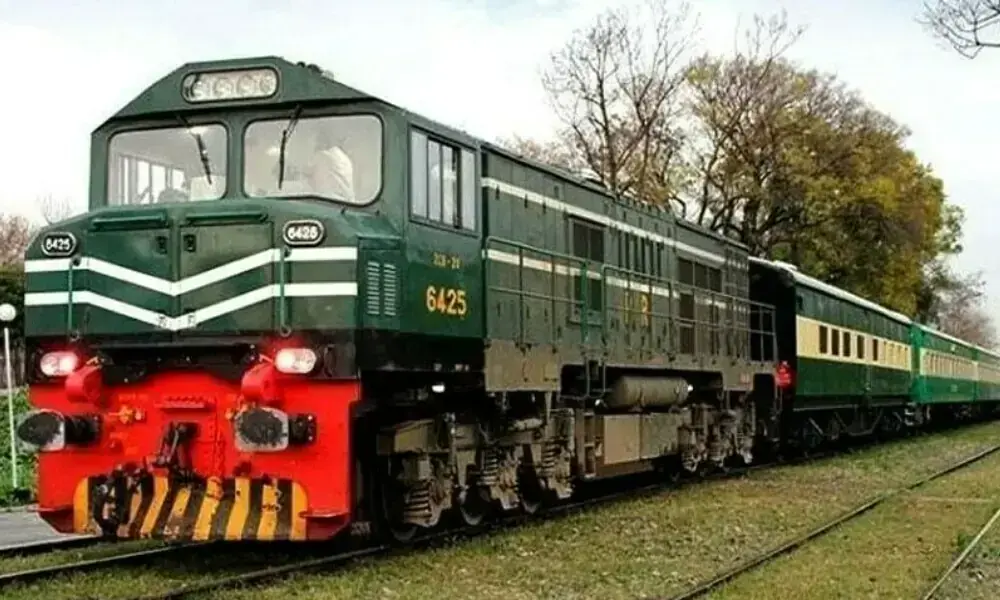
EDITORIAL: The tragic derailment of the Rehman Baba Express near Multan, which claimed five lives, including that of a two-year-old child, and injured 49 passengers, is yet another grim reminder of the deteriorating state of Pakistan Railways.
Every such accident raises disturbing questions: how long must passengers continue to risk their lives, and when will the government treat railway safety as a national priority rather than respond with routine condolences, inquiries and compensation?
Unfortunately, this tragedy is not an isolated incident. In February 2025, three coaches of the Shalimar Express derailed near Lahore’s Shahdara Bridge. In May, all 15 coaches of the same train derailed following a collision with a tractor-trolley at an unmanned level crossing near Faisalabad, injuring six passengers. In August, the Islamabad Express suffered a major derailment near Kala Shah Kaku, while the Awam Express derailed near Lodhran, killing one passenger and injuring 33. In March 2026, seven coaches of the Tezgam Express derailed near Adam Wahan in Lodhran, injuring 26 passengers. In a particularly devastating incident in August 2023, ten cars of a Rawalpindi-bound passenger train derailed and overturned near Nawabshah, killing 30 people and injuring more than 90 others. These recurring accidents point to persistent weaknesses in railway operations, equipment maintenance, and infrastructure management.
Although the precise causes vary, the pattern raises serious concerns about ageing tracks, defective rolling stock, inadequate maintenance and shortcomings in signalling and switching systems. Preliminary findings into the latest accident reportedly identified a mechanical problem involving a passenger coach. A thorough and independent investigation must establish whether the derailment resulted from a defective coach, damaged track, faulty points system or a combination of failures. Equally important, investigators must determine why existing safety checks failed to prevent the disaster. Without addressing these underlying deficiencies, inquiries will achieve little beyond identifying immediate causes.
The government’s response, regrettably, follows a familiar script: expressions of grief, compensation promises, investigations and assurances of accountability. While necessary, these measures cannot replace preventive action. Railways Minister Hanif Abbasi’s assurance that problems involving locomotives, coaches and wagons would be addressed by December 31 must be backed by adequate funding, a transparent action plan and measurable safety targets. Priorities should include track renewal, regular inspections of locomotives and coaches, modern signalling, effective protection at level-crossings and independent safety audits. Investigation findings must be made public, and officials found negligent must face appropriate consequences regardless of their rank or political connections.
Pakistan Railways remains an affordable and essential means of transport for teeming millions of this country, particularly low-income families who cannot readily afford alternatives. These passengers deserve safe journeys, not an endless cycle of accidents and official promises. The government cannot indefinitely invoke financial constraints while lives are lost because essential infrastructure and equipment may not be receiving the attention they require. Sustained investment in railway safety is not an optional expense; it is a fundamental responsibility of the state. Until passenger safety becomes a demonstrable priority, railway accidents will continue to expose the cost of official neglect, and every journey will carry an unacceptable risk.
Copyright Business Recorder, 2026






















Comments