


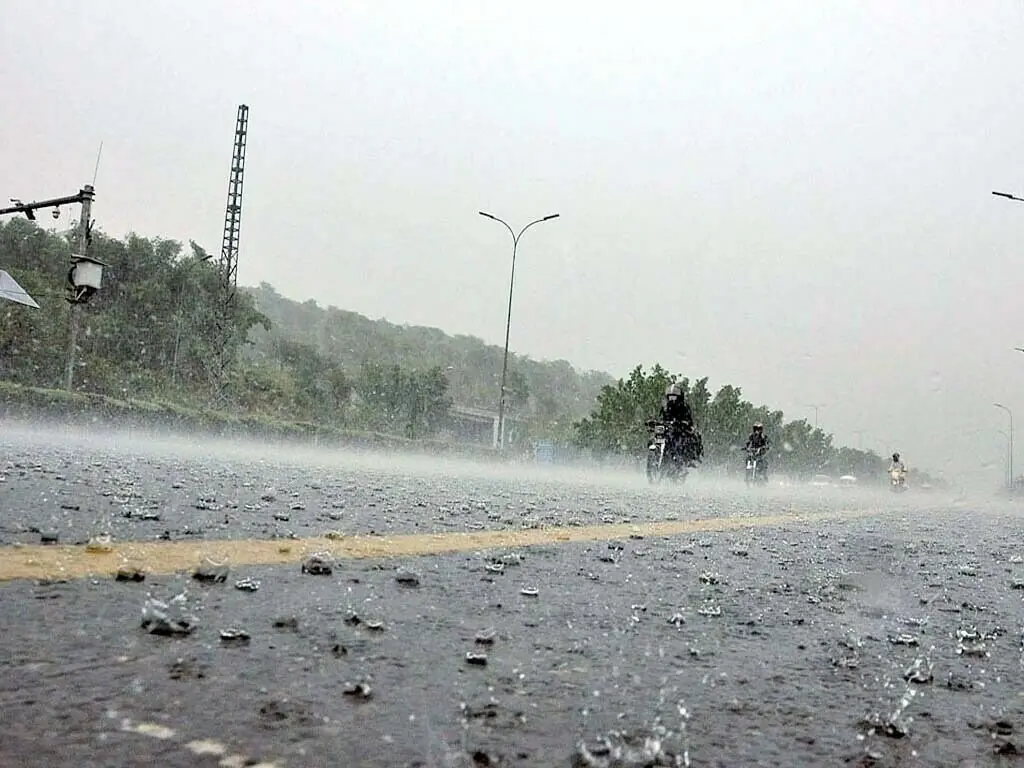
KARACHI: A strengthening El Niño coincided with Pakistan’s warmest monsoon in 66 years in 2026, as rainfall remained 19 percent below normal and rain- and flood-related incidents claimed around 199 lives, raising concerns over water availability and agricultural production.
The national mean temperature during July-September reached 30.7 degrees Celsius, 0.9 degrees above normal and surpassing the previous record of 30.6 degrees set in 2019, according to a Pakistan Meteorological Department (PMD) report issued on Thursday.
The report linked the developing El Niño to a tendency towards below-normal rainfall. Sea surface temperature anomalies in the Niño 3.4 region reached around 2 degrees Celsius in July, with weekly readings rising to between 2.2 and 2.6 degrees in late July and mid-August. However, it did not identify El Niño as the sole cause of the rainfall deficit.
According to National Disaster Management Authority figures cited in the report, another 556 people were injured. The monsoon affected or damaged 34.92 kilometres of roads, 41 bridges and 1,839 houses. A further 1,559 livestock were reported affected or damaged, although the report did not specify how many animals died.
Pakistan received around 120mm of rainfall during the July-September season, 19 per cent below normal. Despite the overall deficit, intense downpours triggered flash floods in parts of Kashmir, Khyber Pakhtunkhwa, Punjab, low-lying areas of Balochistan and eastern Sindh. Lahore Airport recorded the season’s heaviest one-day rainfall of 252mm on July 23, while Gujranwala received 607mm during July.
The uneven rainfall pattern posed risks to both water supplies and agriculture. Monsoon rain replenishes rivers, reservoirs and groundwater, supports irrigation and hydropower, and provides moisture for Kharif crops and the following Rabi season.
Below-normal rainfall can reduce water availability and soil moisture, while intense downpours and floods can inundate fields, damage crops and infrastructure, and disrupt farming. The PMD report did not provide a consolidated estimate of crop losses.
Low-pressure systems from the Bay of Bengal, monsoon currents from the Arabian Sea and westerly weather systems influenced rainfall during the season. The shifting monsoon axis contributed to uneven precipitation before the monsoon withdrew from Pakistan on September 22.
Temperature extremes were also recorded. Turbat reached 48.5 degrees Celsius on July 7, 12, 30 and 31. Skardu recorded the season’s coldest night at 6 degrees on September 23 and 26, while Babusar recorded a mean monthly minimum temperature of 10.1 degrees in September.
The PMD said seasonal mean minimum temperature anomalies ranged from 1.4 degrees below normal to 3.1 degrees above normal. Mean maximum temperature anomalies ranged from 0.9 degrees below normal to 2 degrees above normal, with higher readings in western Balochistan and Gilgit-Baltistan.
The season highlighted Pakistan’s exposure to both rainfall shortages and destructive isolated downpours, underscoring the importance of water management, agricultural planning and flood preparedness. The report was issued by the PMD’s Climate Data Processing Centre, using weather observations and NDMA damage figures.
Copyright Business Recorder, 2026






















Comments