


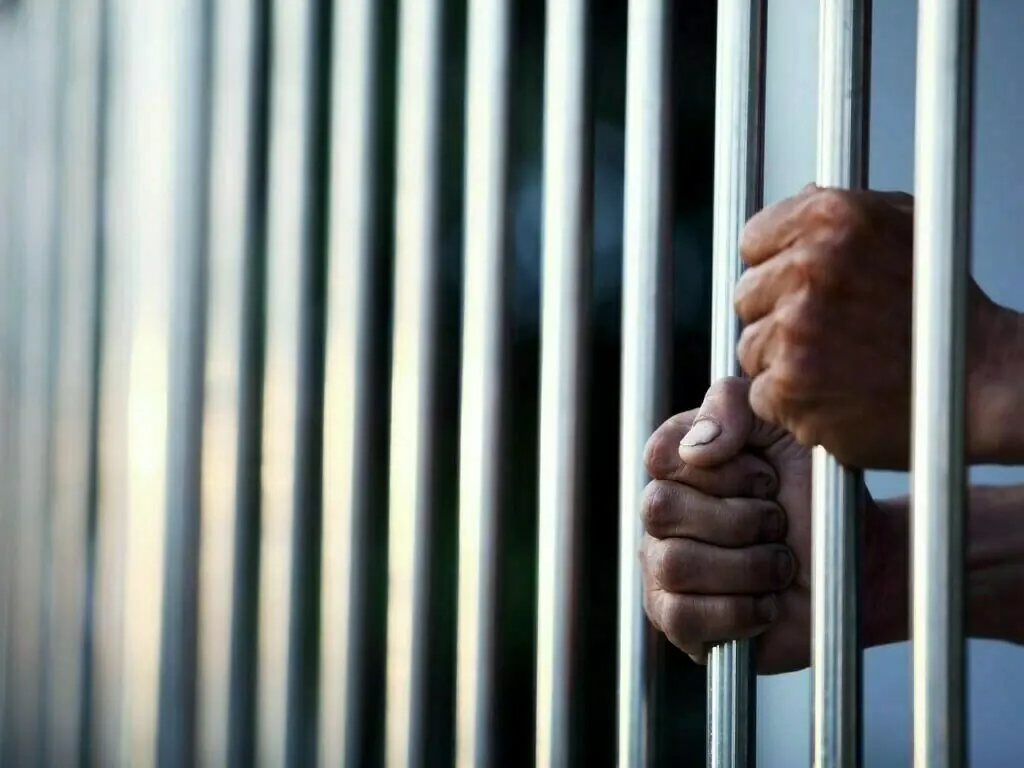
EDITORIAL: Pakistan’s overcrowded prisons represent not merely an administrative failure but a serious crisis of justice and human rights.
According to the Annual Prisons Data Report 2026, the country’s prisons hold 110,513 inmates against an authorised capacity of approximately 68,832, operating at over 160 percent of their intended capacity.
Even more alarming is that 75 percent of these prisoners are awaiting trial. These figures demand urgent action, for behind every statistic is a human being whose liberty, dignity and future are at stake.
The most troubling aspect of this crisis is the prolonged incarceration of under-trial prisoners.
Under the principle of justice, every accused person is presumed innocent until proven guilty. Yet, thousands remain behind bars for months or even years as their cases proceed slowly through the judicial system. For many, punishment begins long before a court has established their guilt.
Some may ultimately be acquitted, only to emerge from prison having endured prolonged suffering, social stigma, and economic hardship. No judicial verdict can restore the lost time, compromised health, disrupted family life or employment opportunities sacrificed during such detention.
Overcrowding also creates conditions incompatible with prisoners’ fundamental rights. Inadequate living space, poor sanitation, insufficient clean water, limited healthcare and exposure to infectious diseases threaten physical and mental well-being.
Violence, exploitation and psychological distress become greater risks in congested facilities where resources and supervision are stretched beyond their limits. Rehabilitation, an essential purpose of imprisonment, becomes increasingly difficult when inmates lack access to education, vocational training, counselling, and other constructive activities.
The situation is particularly concerning for women and children, who face distinct vulnerabilities in custody. The report’s finding that 86.2 percent of imprisoned children are awaiting trial underscores the urgent need to protect young lives from the damaging consequences of detention.
Children should not lose their education, emotional security and prospects of rehabilitation because of procedural delays. Similarly, the sharp rise in the number of incarcerated women calls for gender-sensitive policies and greater use of non-custodial measures where appropriate.
The government and judiciary must treat prison overcrowding as an urgent criminal justice concern. Bail procedures should be reviewed to ensure that poverty does not determine who remains imprisoned. Courts need adequate resources to expedite trials.
As the report recommends, expanding the use of probation, parole, diversion, and other alternatives to imprisonment for eligible offenders could help reduce the prison population. Drug-related offences also warrant a review of prosecution and sentencing policies to ensure that imprisonment is necessary and proportionate.
Justice should mean more than punishing those found guilty; it must also protect the innocent from needless suffering.
A person acquitted after years behind bars has paid an immeasurable price for a system’s failure.
Reducing overcrowding is therefore not simply a matter of improving prison management; in fact, it is essential to upholding constitutional guarantees, preserving human dignity and preventing systemic failures, particularly prolonged pre-trial detention and delayed trials, from turning the criminal justice system into a source of injustice.
Copyright Business Recorder, 2026






















Comments