


Pakistan power generation grows 5% YoY; fuel cost climbs 38% in August
- Power generation declined by 1% from 15,122 GWh in July 2026
Pakistan's power generation rose 5.1% year-over-year in August 2026, reaching 14,943 GWh, driven by hydel and coal, despite a 38% increase in generation costs.
- Pakistan's 5.1% power generation increase.
- 38% increase in electricity generation costs.
- Leading sources in the power generation mix.
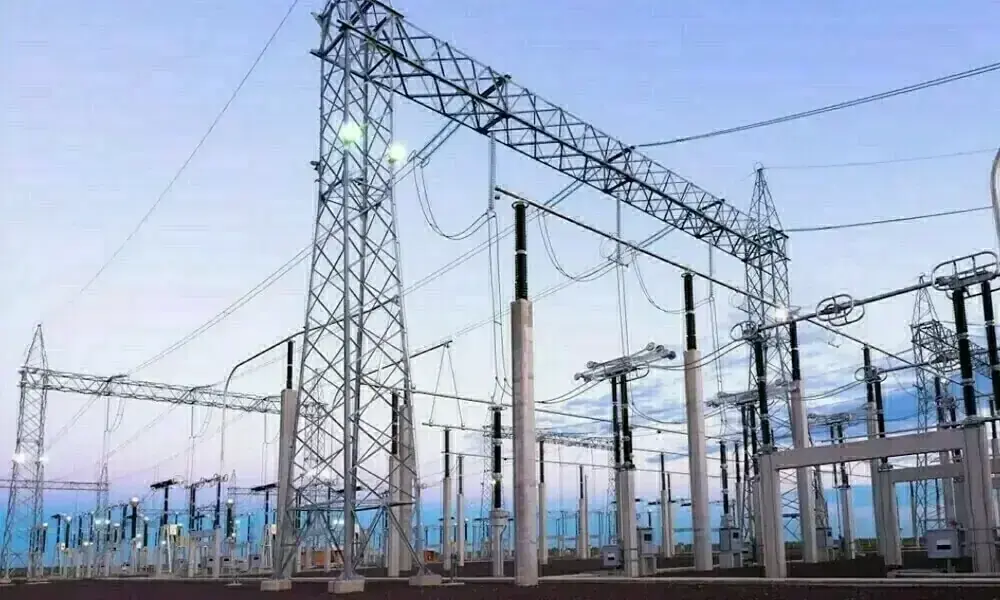
Power generation in Pakistan reached 14,943 GWh in August 2026, up 5.1% YoY from August 2025.
Back in August 2025, power generation stood at 14,218 GWh.
“While still below the 16,176 GWh peak recorded in Aug’21, the rebound is encouraging for power-sector activity and broader economic growth,” said Arif Habib Limited (AHL) in a note on Monday.
On a monthly basis, power generation declined by 1% from 15,122 GWh in July 2026.
“Power generation exceeded the NEPRA reference, in our view, aided by lower tariffs, shift of industrial consumers to the national grid, incremental consumption package for industrial and agricultural consumers and improved economic activity (LSM up 3.0% YoY in Jul’26).
“Generation exceeding the reference level also bodes well for future QTAs,” said AHL.
On the other hand, the total cost of generating electricity in Pakistan increased by 38% year over year, reaching Rs10.01 KWh in August 2026, up from Rs7.27 KWh in the same period last year.
The high cost of power generation was “driven by a higher RLNG and furnace oil mix, while elevated oil prices further increased generation costs”.
“Consequently, DISCOs sought a positive FCA of Rs1.73/kWh for Aug’26.”
On a monthly basis, the power generation cost was down by 7%, as compared to Rs10.75 KWh in July 2026.
In August, hydel emerged as the leading source of power generation, accounting for 38% of the generation mix, becoming the largest source of electricity generation.
“Hydel generation surged to 5,654 GWh in Aug’26, up 2.5% YoY and 17% above the long-term August average of 4,846 GWh, marking the second highest August output ever. The sustained improvement in hydel generation, supported by stronger water availability, is increasingly strengthening the low-cost generation mix, providing some relief to overall generation costs and FCA.”
This was followed by coal, which accounted for 27% of the overall generation, ahead of nuclear, which accounted for 10% of the power generation share. Whereas gas and RLNG represented 9% and 7% of the power generation mix, respectively.
“Coal-based generation reached 3,956 GWh in Aug’26, up 53% YoY and the highest level for any Aug, driven by a sharp 105% YoY increase in imported-coal generation to 2,330 GWh, while local coal generation rose 13% YoY to 1,626 GWh.
“The surge in coal generation reflects a continued shift toward coal-based generation amid reduced RLNG availability and elevated LNG costs, while higher power demand, with imported coal alone accounting for 16% of total coal generation in Aug’26.”
Among renewables, wind and solar generation amounted to 6% and 1%, respectively, of the generation mix.




















Comments