


The petrol saga
Rising petrol prices, exacerbated by geopolitical tensions, are devastating low-income Pakistani workers like rickshaw and delivery drivers, forcing them to work longer hours and pushing them to a breaking point.
- Rising fuel costs impacting Pakistani low-income workers.
- Rickshaw and delivery drivers working longer for survival.
- Indonesia's targeted fuel assistance and subsidy reforms.
- Pakistan's untargeted relief and increasing public frustration.
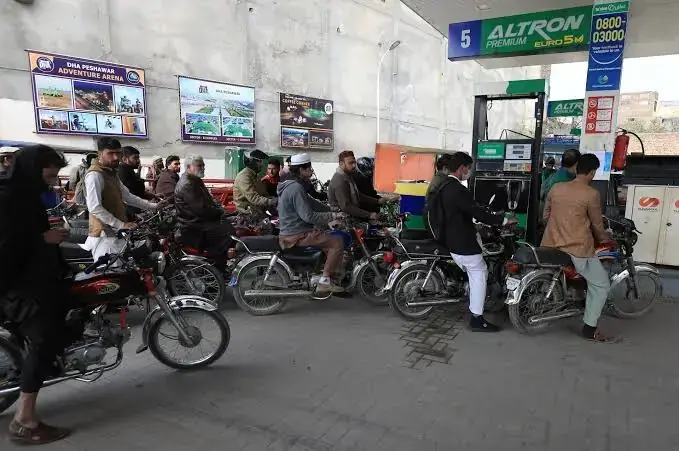
The on-again, off-again 2026 Iran War, which produces new threats to the delivery and price of petrol nearly every day, has a profound effect on the earnings and livelihoods of breadwinners in Pakistan. Sadly, some of these workers are already at the bottom of the economic ladder and simply do not have the capacity to absorb these shocks.
Take, for example, rickshaw drivers, bike riders, and the countless delivery workers who are now spending a large portion of their earnings just to stay on the road. Consider a rickshaw driver who used to spend 800 to 1,000 rupees for a full day of CNG or petrol; they are now forced to come up with 1,400 to 1,600 rupees.
One might assume that such increases are passed on to the customer or passenger, but that is no longer possible. The increases are too much to handle for customers who themselves belong to the lower-middle or lower class—such as housemaids, who can frequently be seen bargaining over fares with rickshaw drivers on various street corners in DHA every morning.
The rickshaw drivers are far from rolling in money; some have shared that they are working two to three hours more each day just to make ends meet. Food delivery and courier riders face the exact same situation. Fuel now eats up 30% to 40% of their per-delivery earnings, resulting in some riders choosing shorter and potentially riskier routes, despite the volatile law-and-order situation in the suburbs of Karachi.
Many have started pooling deliveries to cut costs, while others are switching from petrol bikes to electric or CNG rickshaws. Although delivery companies have, in some cases, added fuel surcharges, riders report that these barely cover the cost of a single extra litre.
The ingenuity of these individuals is reflected in how they choose their working hours to save on fuel and guarantee business.
Across Karachi, many rickshaw drivers park their vehicles for half the day, hitting the road only during school and office hours when demand is relatively guaranteed. The more articulate and business-minded drivers have taken on side jobs, such as selling phone accessories or face masks between fares.
Yet, despite these changes and their efforts to beat inflation, they still have to calculate whether working a full shift is worth the effort—or if it will end in a loss rather than earning enough profit to put food on the table for their families.
Indonesia has implemented a solution that directly helps the downtrodden and lower classes, who are the hardest hit by this crisis. The country is providing support to those who truly need it, particularly those whose services keep the local economy moving.
Instead of maintaining a blanket fuel subsidy that benefits everyone, the government removed it and redirected the savings into targeted assistance. This support includes cash transfers to 20 million poor families, wage subsidies for low-income workers, and fuel assistance for registered drivers.
At the same time, the government has kept public buses and trains affordable, ensuring that people have a viable alternative to petrol.
Comparing our efforts with those of Indonesia, we can see that Pakistan has relied mostly on general price adjustments with limited and untargeted relief.
Take the example of Karachi’s rickshaw and delivery drivers, who have been left to absorb the full impact and are now working longer hours just to survive. It is no wonder that the list of desperate, barely surviving drivers and delivery workers grows alongside their desperation.
Alarmingly, these frustrations are now becoming public, showing that those affected are at a breaking point.
Last month in Saddar, Karachi, a 42-year-old bike rider sat by his motorcycle with an empty fuel tank, telling passengers he couldn’t take another ride until he pooled enough money for just two liters of petrol. It was not that he had just started work; he had been working for the last 14 hours. However, after accounting for fuel costs and platform commissions, he was taking home less than he did in the past.
Given the rising prices of essential commodities, he and his family were close to starvation.
Many such stories are doing the rounds, and the level of desperation grows with each passing day. The tension in the Strait of Hormuz is steadily rising, as is the level of frustration among people in Pakistan whose livelihoods depend on the products passing through this now-dangerous waterway.
Copyright Business Recorder, 2026
The writer is a well-known columnist





















Comments