


There is a moment every household in Pakistan knows well: the bill distributor dropping the paper slip at the door or the notification popping up on a banking app or the DISCO’s own app and before it is even opened, the small mental math has already begun: what got used, what can be cut back next month, what this one is going to say? Multiply that moment by tens of millions of homes, and you have something close to the real subject of this story: not coal, not contracts, not benchmarks, but the number printed at the bottom of that bill, and who is quietly working to make it smaller.
Here is a fact most people never think about: a good portion of the electricity behind that bill did not begin its journey in Pakistan at all. It began on a ship, loaded with coal at a port in South Africa or Indonesia, and travelled thousands of kilometers before it ever reached a power plant at Port Qasim or Sahiwal or Hub.
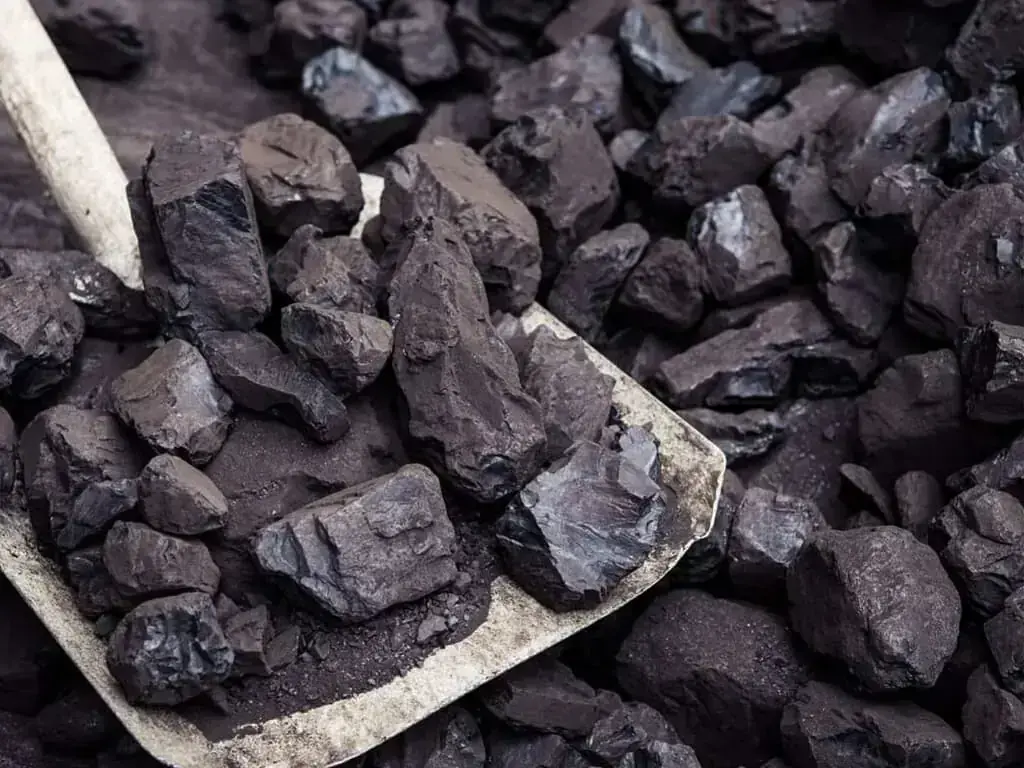
Pakistan runs a fleet of coal-fired power plants with a combined capacity of roughly 5,280 megawatts — enough to light up several million homes. However, nearly all of that coal is imported.
This means every time there is tension somewhere far away, such as a war, a blockade, or a suddenly closed shipping route, the ripple eventually arrives at our own doorstep in the form of a slightly heavier bill. For years, coal has had a bad name in the popular imagination: smoke, soot, the fuel of a dirtier age.
And there is truth in that unease. But something has quietly shifted in the last few years and it is worth saying plainly: in a world where wars can shut down oil tankers and gas pipelines within days, coal has turned out to be an oddly dependable friend. It can be stockpiled at the plant for months.
It can be bought from more than one country at once, so a crisis in one place doesn’t leave the lights off everywhere. And, Pakistan happens to sit on one of the largest coal reserves in the world, at Thar, in its own soil, untouched by any embargo, any war, any shipping lane.
The fuel we were once taught to be a little embarrassed about may be one of the quieter reasons the lights have stayed on through years that have been very unkind to energy security elsewhere in the world. That doesn’t erase coal’s environmental cost, but it does explain why the Power Division has stopped treating fuel security as an afterthought and started treating it as the main question.
Because here is the part of the story that isn’t about wars or ships at all; it’s about something much closer to home, and much easier to fix.
When officials chaired by Federal Minister for Power Sardar Awais Ahmed Khan Leghari sat down and analysed the coal contracts of Pakistan’s power plants, they found something that would frustrate any shopper: the same suppliers, selling coal against the exact same international price benchmark, were quietly giving some power plants a far better deal than others.
The gap between the best discount and the worst was substantial—ranging from as little as 25 US cents to as much as US$7.12 on every single ton of coal. Picture two neighbours buying flour from the same shop at the same posted price, but only one of them is told about a discount at the counter. Imagine, further, that the shop’s backup delivery arrangement was secretly worse than its main one, and that on some days, coal was being bought from a costlier supplier while a cheaper offer from another supplier sat right there, unused. This is, in plain terms, what was happening in Pakistan’s coal procurement month after month, and every rupee of that gap eventually found its way into the fuel cost passed on to consumers.
This is the story most people never hear because it doesn’t come with sirens or headlines; it comes with spreadsheets and contracts. But it is, in its own quiet way, exactly the kind of story that matters to the person checking their energy bill keenly.
Pakistan cannot do anything about the international price of coal. It cannot stop a war on the other side of the world from pushing up shipping costs. It cannot control the API-4 benchmark that coal prices the world over are pegged to. What it can control and what it has now moved to control is whether its own power plants are actually getting the best deal available to them on the contracts they already hold.
That is exactly what the Power Division has now fixed, as a first step. It has issued policy guidelines to the National Electric Power Regulatory Authority (NEPRA), putting in place a simple rule: power plants must now buy coal from whichever of their own contracted suppliers is offering the best discount, full stop! No more paying more when a better deal from the same supplier was sitting on the table. It sounds almost too simple to be called a reform. But applied consistently across the fleet, it is expected to save around US$1.37 million a year or close to PKR 380 million without a single new rupee of investment, just by making sure existing contracts are actually used to their full advantage.
“The objective is to identify inefficiencies through data and market analysis, address them through appropriate regulatory and policy measures and ensure that the resulting savings translate into tangible benefits for electricity consumers,” Minister Leghari has said, adding that this is not about interfering in how these plants run their business, but about making sure that whatever cost eventually lands on a consumer’s bill reflects an honest, competitively tested price.
And this, officials say, is only the opening move. Other countries have shown what the fuller version of this story can look like.
In South Africa, the state utility Eskom simply puts its coal contracts out to open, competitive tender as a matter of routine. Japan’s utilities have leaned into joint procurement, pooling their buying power the way a group of shopkeepers might negotiate together with a wholesaler for a better rate than any one of them could get alone.
India has gone further still, letting buyers compete for coal through open e-auctions to test the market’s real price in real time, rather than waiting years for a contract to come up for renewal. None of these countries abandoned their long-term supply contracts; they simply stopped assuming those contracts didn’t need to be checked. Pakistan’s reform is now heading in the same direction: more frequent market testing, tighter discipline between main and backup contracts, and the institutional muscle to watch global coal prices continuously instead of only at renewal time.
None of this will make headlines the way a new power plant or a new transmission line might. There is no ribbon to cut, no inauguration photograph. What there is, instead, is a small, steady correction—the kind that shows up not in a press conference but in the fuel cost line of a bill that is a little less painful than it might have been. It is, in the end, a very unglamorous kind of patriotism: someone, somewhere in government, going through old contracts line by line and asking whether the country is still getting what it’s owed.
That is the quieter half of energy security; not just making sure the fuel keeps arriving, no matter what happens in the world, but making sure that every rupee spent on it is a rupee well spent. And unlike the wars, the shipping lanes, and the international price of coal, this is one part of the story that Pakistan gets to write entirely on its own terms.
Copyright Business Recorder, 2026
The writer is a RE Expert with 2 decades of experience in the power generation, transmission and distribution sector. He can be reached at [email protected]





















Comments