


Pakistan, Hong Kong explore cooperation on digital bonds, tokenised capital
- Tokenisation's role in attracting global capital for Pakistan
Pakistan and Hong Kong are exploring cooperation on digital bond issuance and tokenized capital markets to modernize Pakistan's financial architecture and attract global investment through blockchain technology.
- Pakistan's financial modernization through digital bonds.
- Pakistan's exploration of stablecoins for remittances.
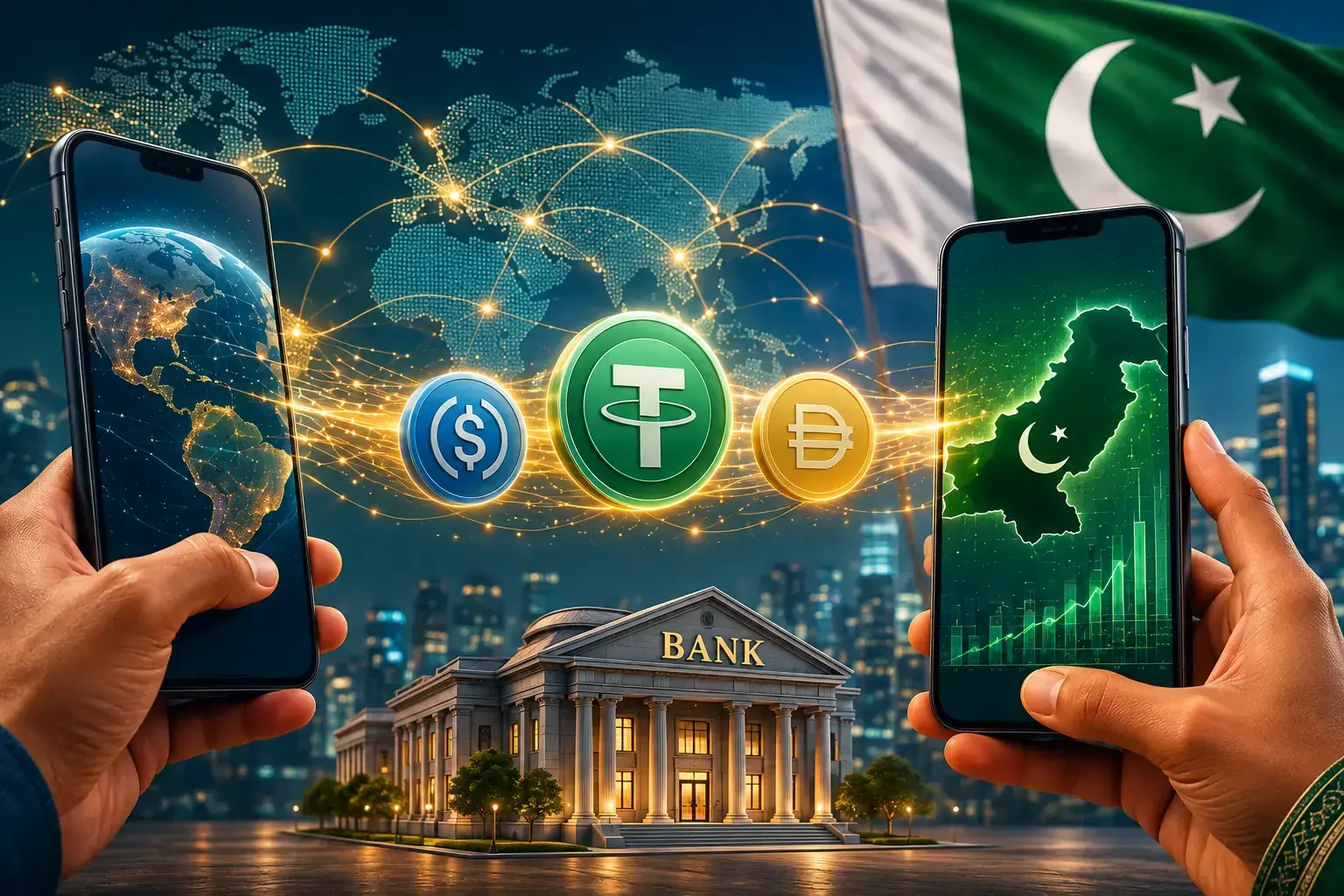
Pakistan and Hong Kong are exploring cooperation in digital bond issuance and tokenised capital markets as Islamabad looks to modernise its financial architecture and broaden access to international capital.
Bilal bin Saqib, Minister of State and chairman of the Pakistan Virtual Assets Regulatory Authority (PVARA), held discussions with Christopher Hui, Secretary for Financial Services and the Treasury of the Hong Kong Special Administrative Region Government, on digital bond issuance, tokenisation and regulatory innovation, PVARA said.
The discussions also covered how tokenisation could support more efficient capital formation and financial-market operations, according to PVARA.
“Hong Kong’s experience offers valuable lessons as Pakistan develops its own next-generation financial architecture,” said PVARA.
In a post on a social media platform, Saqib said that for emerging economies, like Pakistan, “tokenisation is not simply a technology story. It is a capital formation story”.
“If we can make Pakistani assets easier for global investors to access, settle and hold, we can widen the pool of capital available to the country,” he said following the meeting.
Tokenisation involves representing assets or financial instruments digitally on blockchain-based systems, potentially allowing them to be issued, traded and settled through digital infrastructure.
Pakistan has been seeking to develop a regulatory framework for digital assets while exploring ways to attract investment and modernise its financial markets.
Days ago, Saqib said that Pakistan is exploring the use of regulated stablecoins for remittances, which could potentially save Pakistan around $400 million annually. He also advocated for developing other use cases for virtual assets, such as digital exports, trade finance, and tokenised financial assets, to boost Pakistan’s economy.

















Comments